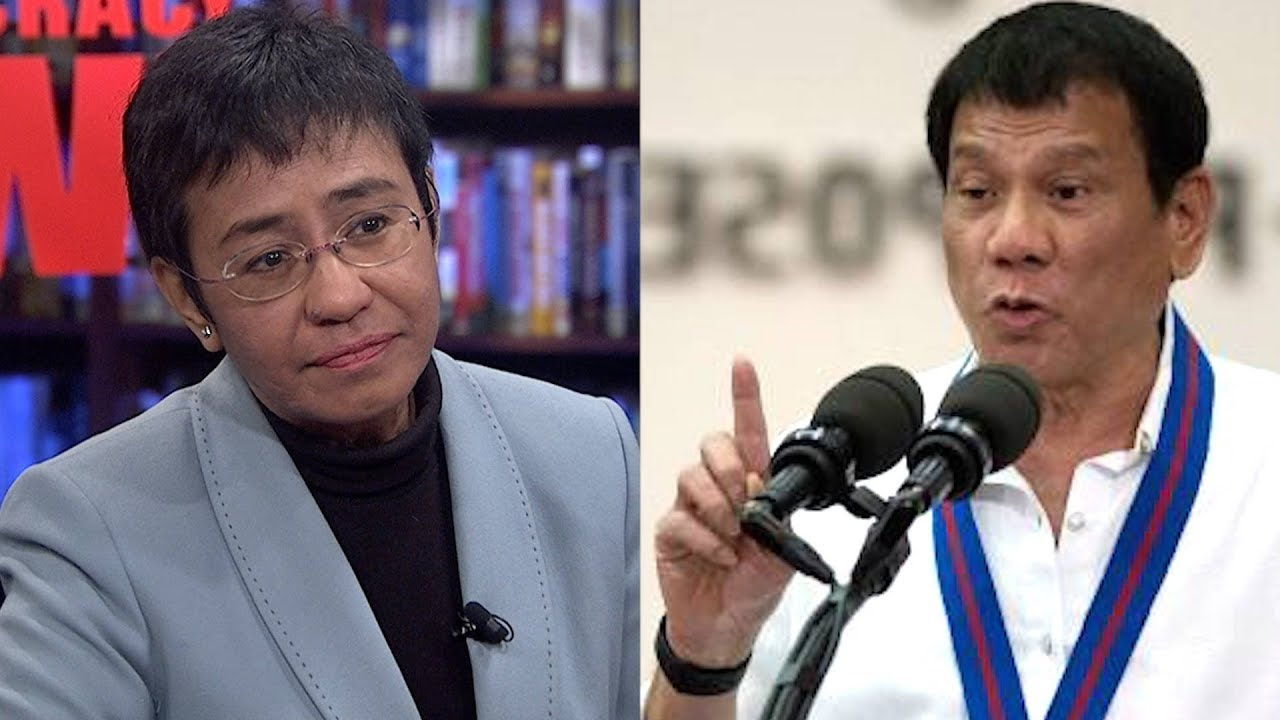

Jon Stewart’s unexpected sit-down with Nobel Peace Prize laureate Maria Ressa on The Daily Show this week turned into more than a discussion about the suspension of “Jimmy Kimmel Live!”—it became a sobering comparison of two democracies under siege by leaders with authoritarian instincts: Rodrigo Duterte in the Philippines and Donald Trump in the United States.
Ressa, who lived through what she called “a weaponization of law” under Duterte, described the déjà vu she felt as Trump openly celebrated Kimmel’s suspension and escalated his legal and rhetorical attacks against American media institutions. “It’s like reliving the same nightmare in another country,” she told Stewart.
The Duterte blueprint
Under Duterte, the assault on the press was both systematic and personal. Rappler, the news site Ressa co-founded, was hit with multiple government investigations and eventually a shutdown order from the Securities and Exchange Commission. Ressa herself was slapped with 11 arrest warrants in a single year, a barrage meant to exhaust resources and intimidate journalists.
ABS-CBN, the Philippines’ largest broadcaster, was stripped of its franchise in 2020 after relentless political pressure. Independent journalism, Ressa recalled, survived not because of state tolerance but in spite of deliberate efforts to silence it. “We just kept going,” she said. “If you stop moving, you lose the rights you still have—and once they’re gone, it’s almost impossible to win them back.”
Trump’s American echo
Now, in the United States, the playbook looks eerily familiar. Trump has filed lawsuits against the New York Times and Wall Street Journal, threatened to strip outlets of their licenses, and publicly cheered the suspension of Kimmel’s show after the host’s controversial remarks. What Ressa recognized in this pattern was not coincidence but convergence: a strongman’s reliance on undermining the press to consolidate loyalty and control public narrative.
Comedians and late-night hosts like Stewart, Stephen Colbert, Jimmy Fallon, and Seth Meyers responded with a mix of satire and solidarity, turning their platforms into bulwarks for free speech. But Ressa’s warning was blunt: humor can only go so far if citizens fail to defend the institutions that keep democracy alive.
The cost of silence
The conversation underscored a chilling symmetry: whether in Manila or Washington, leaders who brand the press as “enemies” are often laying the groundwork for broader assaults on accountability. Duterte’s crackdown forced entire networks off the air. Trump’s rhetoric, now paired with punitive actions against journalists and broadcasters, risks pushing America closer to that same precipice.
For Ressa, the lesson was simple but urgent: “The erosion of press freedom doesn’t happen in one dramatic moment—it happens in increments. By the time people wake up, the space for truth may already be gone.”