
(Photo courtesy of PNA)
TOKYO, Japan — Japan’s ruling coalition is pressing the government to increase defense spending to at least 70 trillion yen (approximately USD 440 billion) over five years, rejecting a proposed 60-trillion-yen allocation for fiscal 2027 to 2031 amid rising military procurement costs and security concerns.
The proposal forms part of the government’s planned revision of Japan’s three key national security documents by the end of the year.
Although the proposed 60-trillion-yen budget exceeds the 43 trillion yen allocated under the current security framework, ruling lawmakers warned that fixed expenditures could significantly reduce funding available for new defense projects.
“It amounts to an actual reduction once future payment obligations are taken into account,” one lawmaker said during a Liberal Democratic Party (LDP) meeting last week.
Another lawmaker criticized the proposed allocation as “completely lacking a sense of responsibility.”
Under Japan’s defense procurement system, major equipment purchases, including aircraft and naval vessels, are typically paid through installment contracts extending up to five years.
According to the Defense Ministry, existing procurement agreements are expected to require 16.8 trillion yen in installment payments beginning fiscal 2027, placing additional pressure on future defense budgets.
Personnel expenses are also expected to increase as the government seeks to improve compensation and working conditions for Self-Defense Forces (SDF) personnel while addressing persistent recruitment shortages.
The current security documents allocate approximately 11 trillion yen for personnel salaries and food expenses.
Combined with existing procurement obligations, fixed defense expenditures could reach around 30 trillion yen, accounting for nearly half of the government’s proposed five-year allocation.
The prolonged weakness of the Japanese yen has further complicated defense planning.
Japan’s current security documents assumed an exchange rate of 108 yen per US dollar, significantly stronger than the recent trading range of 150 to 160 yen.
The weaker currency has increased the cost of imported military equipment, reducing Japan’s purchasing power in international defense markets.
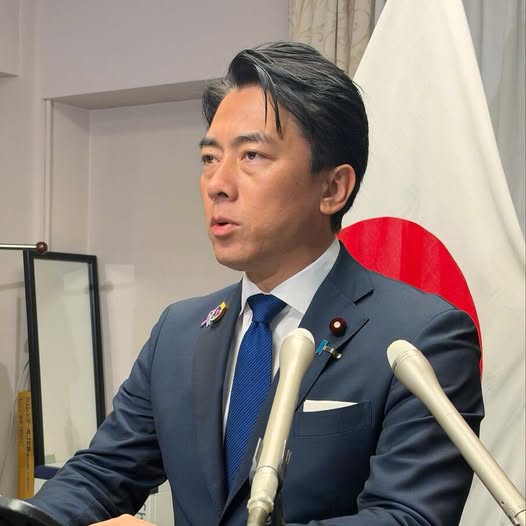
Defense Minister Shinjiro Koizumi acknowledged during a Friday press conference that the yen’s depreciation has driven up procurement costs for the SDF.
Meanwhile, the Defense Ministry is seeking funding for new military capabilities, including artificial intelligence technologies and the mass production of drones, under its fiscal 2027 budget proposal.
However, officials face uncertainty over whether these initiatives can be adequately financed under the proposed spending ceiling.
Against this backdrop, the LDP is advocating a five-year defense budget of 70 trillion to 80 trillion yen, while its coalition partner, the Japan Innovation Party, is calling for an allocation of at least 70 trillion yen.
The debate comes as Japan prepares to revise its national security strategy and determine its defense priorities for the next five years.