
(Photo courtesy of PNA)
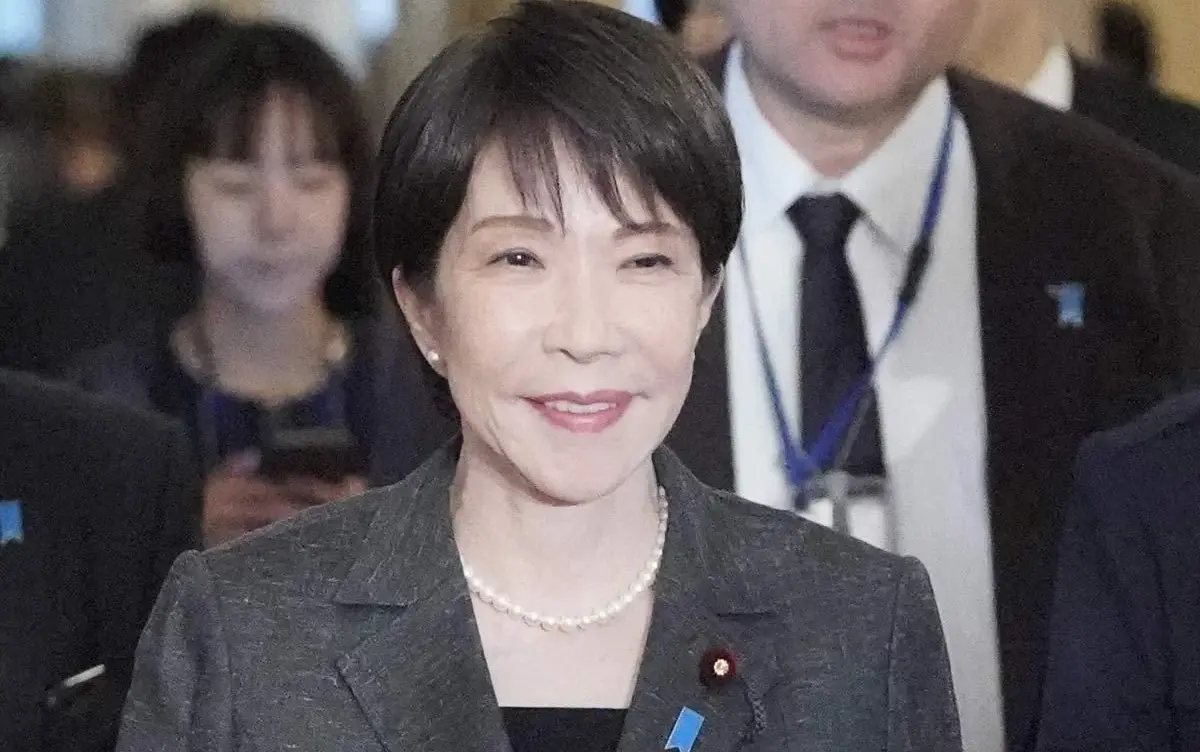
TOKYO – Japanese Prime Minister Sanae Takaichi is set to propose establishing an Asian counterpart to the International Energy Agency (IEA) to strengthen regional energy security and improve coordination on emergency oil reserves.
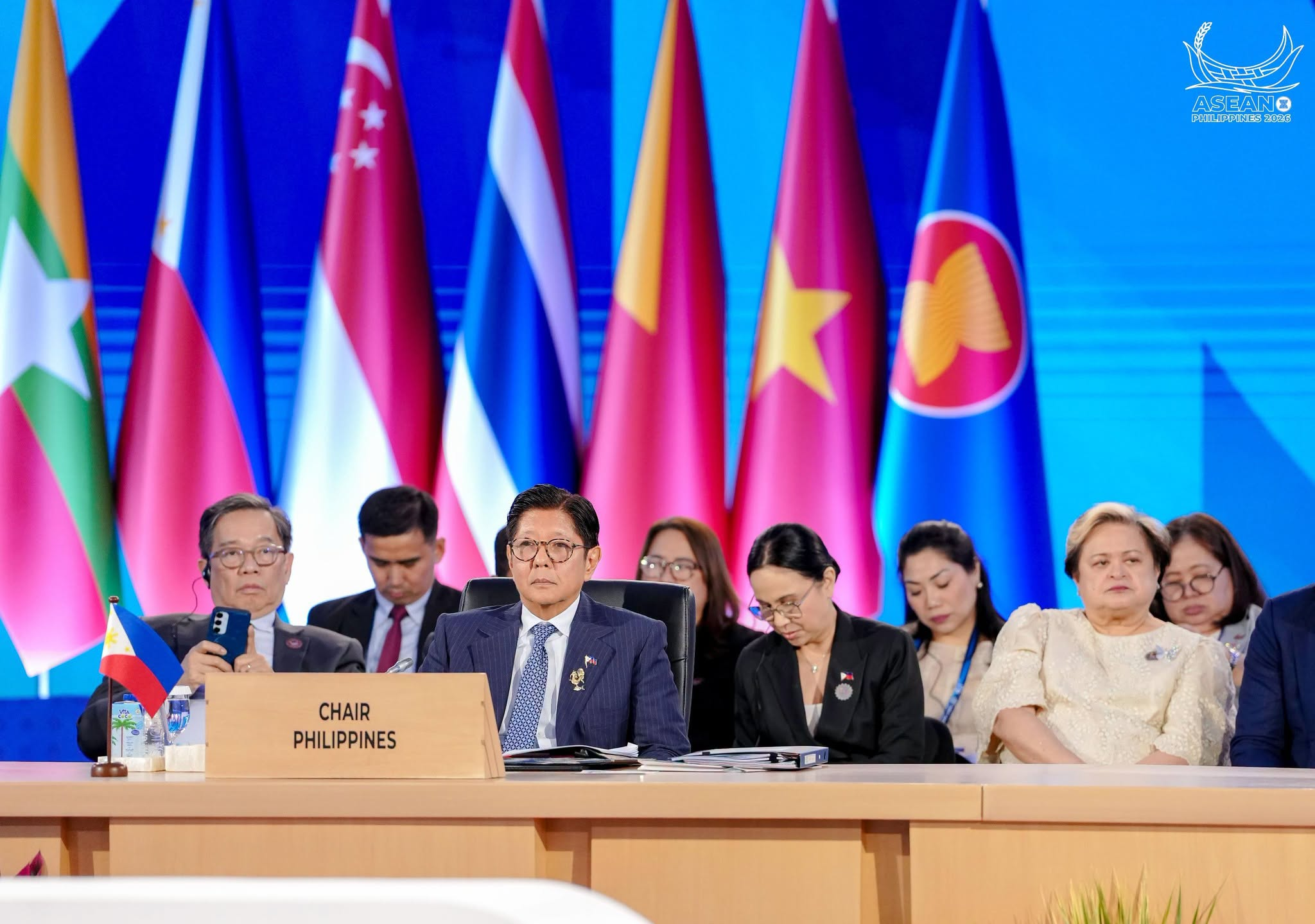
The proposal, expected to be presented at the 4th Asia Zero-Emission Community (AZEC) Leaders’ Meeting in Manila, aims to address vulnerabilities in Asia’s energy supply chains amid continuing instability in the Middle East.
According to informed sources, Japan plans to lead efforts to establish the regional energy security framework, with the Jakarta-based Economic Research Institute for ASEAN and East Asia (ERIA) serving as its secretariat.
The proposed organization would coordinate with the IEA’s planned Tokyo office to help participating countries exchange expertise on oil stockpiling and establish guidelines for releasing and sharing petroleum reserves during supply emergencies.
Established in 1974 following the first global oil crisis, the Paris-based IEA requires its member countries to maintain emergency oil stocks equivalent to at least 90 days of net imports.
The organization has coordinated emergency releases of petroleum reserves to address disruptions in global energy supplies.
Amid escalating tensions in the Middle East, IEA member countries conducted large-scale coordinated oil reserve releases beginning in March 2026. However, no ASEAN member country participated in the initiative.
Japan’s proposed Asian framework seeks to address this gap by improving regional preparedness and establishing mechanisms for coordinated responses to future energy crises.
In April, Tokyo launched the Partnership on Wide Energy and Resources Resilience Asia (Powerr Asia), an initiative designed to strengthen supply chains across the region.
Japan considers Southeast Asia an important source of petroleum-based products, including medical supplies such as surgical gloves, making regional energy stability essential to broader economic security.
Under the new proposal, Takaichi is also expected to offer the use of idle oil storage facilities in Japan to support regional stockpiling efforts.
Tokyo is considering cooperation with a Philippines-led initiative to establish a joint petroleum reserve system for Southeast Asia.
The proposed arrangement could also allow participating countries to secure priority access to oil supplies during emergencies, helping reduce the impact of sudden disruptions in global energy markets.
The initiative is expected to complement AZEC’s broader objectives of promoting carbon neutrality, economic growth and reliable energy supplies.
AZEC members include Japan, the Philippines, Australia, Brunei, Cambodia, Indonesia, Laos, Malaysia, Singapore, Thailand and Vietnam.
The proposed regional energy security body reflects Japan’s efforts to deepen cooperation with Southeast Asian nations as governments seek to balance energy security, economic stability and the transition toward cleaner energy sources.