The Bureau of Immigration (BI) has expanded the implementation of its Advance Passenger Information System (APIS) to enhance border security and support the country’s digital transformation.
APIS is a digital platform that allows authorities to screen inbound travelers before they arrive. Immigration Commissioner Joel Anthony Viado said the system is a “critical defense line at the nation’s borders” and helps prevent high-risk individuals from entering the country.
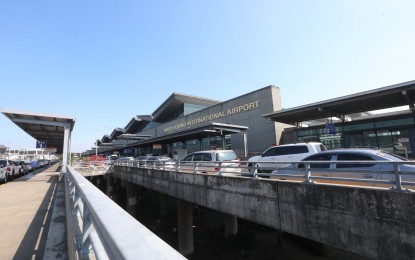
Earlier this week, a foreign national flagged by APIS for having an Interpol blue notice was denied entry at NAIA Terminal 1. The individual was reportedly linked to criminal activities abroad.
“Through APIS, we are able to flag high-risk individuals and stop them from entering the country before they even disembark,” Viado said. “With every airline that joins APIS, our capacity to secure our borders and protect our people grows stronger.”
Currently, Cebu Pacific, Philippine Airlines, Kuwait Airways, and Etihad Airways are fully integrated with the system. Singapore Airlines and China Airlines are expected to follow soon. Cebu Pacific, the first to submit passenger data via APIS, has helped flag 32 Interpol hits.
Viado said the initiative supports President Ferdinand R. Marcos Jr.’s vision of a safer and more secure Bagong Pilipinas.
“This is how the Bureau of Immigration contributes to our agency’s Bagong Immigration goal, towards the nation’s peace and stability under Bagong Pilipinas,” he added.
The BI is working with stakeholders, including the Airline Operators Council, International Air Transport Association, and New NAIA Infrastructure Corp., to encourage full industry compliance with APIS.