The year 2024 is a good year for Ilocos Norte, with an 8.6% expansion, the fastest among four provinces in Region I.
This year, the resilience of the Ilocanos has been tested.
After the devastating impact of El Niño came La Niña, which brought series of typhoons, and the continuing threat of African swine fever (ASF), which affected thousands of residents.
Amid all these, the local economy remained strong with services, accommodation, transportation and storage among the major industries that posted strong output this year, ranging from 15. 6% to 29.7%, according to the Philippine Statistics Authority (PSA).
By fostering a business-friendly environment through streamlined business transactions, the province continues to attract renewable power and business process outsourcing (BPO) companies to expand in this northern gateway of Luzon, according to Ilocos Norte Trade and Investment Promotions Office head Rona Leigh Cheng Bueno.
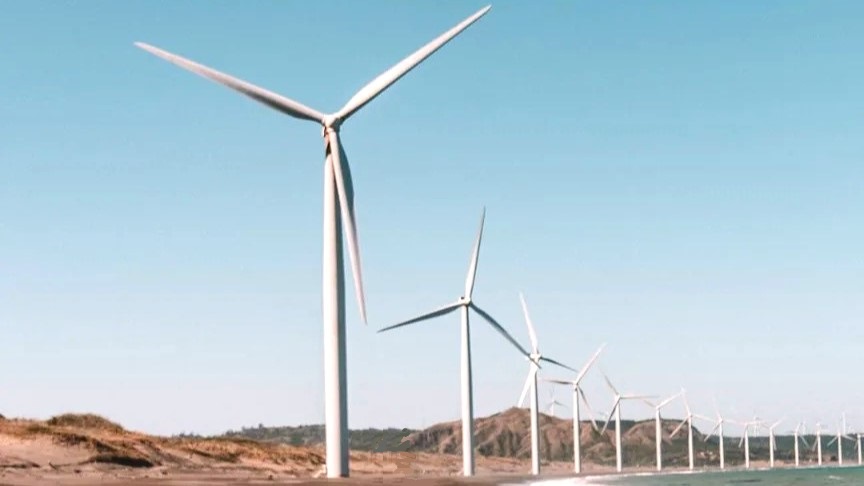
Currently, Ilocos Norte is home to over 100 wind turbines installed across the province, with over 360 megawatts of total generating capacity. The electricity from these wind turbines provides power to thousands of homes in the country.
Employment
The rise of BPO companies in the province has also created thousands of jobs among local residents.
This year, the province sustained 98.7% employment rate, placing the Provincial Employment Service Office (PESO) as the best performer in Region 1 due to its numerous programs aimed to provide job opportunities to locals.
Provincial data shows over 350,000 individuals were employed this year, as job fairs are being conducted all year-round, including the Special Program for the Employment of Students, the Jobstart program, and the provision of emergency employment and livelihood assistance programs to ensure that marginalized earners, including out-of-school youths (OSYs), will have the opportunity to earn.
The latest report from PESO showed employment opportunities in Ilocos Norte increased to around 50 percent from a mere three percent in 2010.
Lizette Atuan said the increase is attributed to various job fairs, technical-vocational training, livelihood and self-employment assistance and cash-for-work programs being offered both by government and private institutions.
According to the Department of Labor and Employment (DOLE), employment in the region has seen recovery post pandemic, mainly in the services sector.
“The need for job creation and quality positions remains critical. Total employment rose from 2.025 million in 2018 to 2.240 million in 2023, reflecting growth, particularly in services, agriculture, and construction industries,” a report from DOLE said.
Economy and tourism
With the establishment of the Ilocos Norte Incubation Center, the entrepreneurial spirit of the Ilocanos has also increased with a total of 22,490 registered micro, small, and medium enterprises (MSMEs) in 2024 from last year’s 18,845 based on available data from the Ilocos Norte government.
“Our incubation center serves as a one-stop shop for our MSMEs. Aside from providing physical facility for them, we also give them customized services based on their requests,” said Elma Gabriel, head of the Micro, Small, and Medium Enterprise Office (MSMEO) on Monday.
In July this year, the MSMEO in Ilocos Norte received a presidential award as an outstanding development partner for institutionalizing its Producer-to-Consumer (P2C) program in Quezon City and San Juan City in Metro Manila, generating more than PHP1 million gross sales for participating MSMEs every time they go to the metro to sell their products for two days for at least twice a month.
Gabriel said the MSMEO continues to innovate on its programs and services based on the needs of its clients.
“Our programs and projects are flexible. We continue to adopt to make it relevant,” she added.
For now, the P2C program continues to gain popularity with local partners with around 70 active members.
The online platform of the P2C program has grown too, as MSMEs have now their e-commerce app where customers can order anytime and anywhere.
In addition, the province has sustained its lead as the top producer of high-value crops in the country by prioritizing the modernization of farm practices through the implementation of mechanization programs to support Ilokano farmers’ livelihoods by enhancing efficiency, reducing costs, and expanding irrigation systems to ensure year-round farming.
The tourism sector has also emerged as a driver for economic growth, with Ilocos Norte utilizing its rich cultural heritage, natural landscapes, and local festivals to attract both domestic and international visitors.
The province has also prioritized infrastructure development to support its rapidly growing economy, with upgrades to the Laoag International Airport currently underway, to enhance connectivity and accommodate more tourists and investors.
Backed by the national government, the current provincial government continues to strengthen its commitment to uplifting the lives of its over 600,000 population by pursuing partnerships with stakeholders and implementing initiatives to stimulate economic growth, improve livelihoods, and achieve inclusive and sustainable development in this province. (PNA)