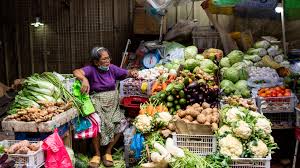

The Philippines posted its lowest inflation reading in six years in July 2025, easing pressure on households and bolstering consumer demand—a development that could set the stage for looser monetary policy and stronger capital market activity, according to the Investment & Capital Corporation of the Philippines (ICCP).
ICCP President and COO Jesus Mariano “Manny” Ocampo said the softer inflation print, driven by lower utilities and food prices, provides a favorable backdrop for both consumers and investors. “With price growth firmly under control, we see scope for the Bangko Sentral ng Pilipinas (BSP) to cut policy rates by as much as 50 basis points before year-end. This easing cycle should translate into lower funding costs, encouraging capital raising, corporate expansion, and investment across asset classes,” he noted.
Ocampo cautioned, however, that near-term risks remain. Flooding in late July disrupted agricultural supply chains, which could push vegetable and rice prices higher in August, while the recent U.S. tariff hikes may pressure certain export segments. Even so, he projected headline inflation would remain in the manageable 1.4–1.5 percent range over the next two months, consistent with seasonal patterns heading into the peak spending period.
For the bond market, a lower-rate environment could reinvigorate demand for peso-denominated corporate issuances and sovereign paper, particularly as investors seek duration in anticipation of monetary easing. On equities, Ocampo said consumer-related and infrastructure-linked counters stand to benefit most from stronger household spending and potential acceleration of public investment programs.
From a trade perspective, Ocampo emphasized that the 19 percent U.S. tariffs affect only about one-third of Philippine exports, with key drivers such as semiconductors and BPO services remaining largely insulated. He sees this as an opportunity for policymakers to secure improved access for Philippine food exports—an area that could support both agribusiness stocks and rural development financing.
Looking ahead, ICCP underscored that foreign and domestic capital must be channeled into manufacturing, energy, and infrastructure to enhance productivity and sustain competitiveness. “Strategic capital allocation in these sectors will not only drive employment but also attract longer-term foreign direct investment, providing depth and stability to our capital markets,” Ocampo said.
He added that the President’s recent State of the Nation Address highlighted the right priorities, particularly in infrastructure acceleration, energy capacity expansion, and manufacturing revitalization. “Positioning the Philippines as an attractive destination for global investors is critical, and strong policy execution will be the differentiator,” he said.
With inflation risks deemed manageable, ICCP maintains that the Philippines’ growth story remains intact. “The convergence of low inflation, potential monetary easing, and structural investment opportunities creates a supportive environment for equities, fixed income, and FDI inflows,” Ocampo said.