
The International Criminal Court (ICC) has intensified its case against former Philippine President Rodrigo Duterte by submitting a massive new trove of evidence, shedding more light on what prosecutors claim is a systematic and state-sanctioned campaign of murder tied to the country’s controversial drug war.
In a disclosure dated July 1, ICC Deputy Prosecutor Mame Mandiaye Niang notified Duterte’s defense team of 1,062 newly submitted items, marking the 11th batch of incriminating material against the former leader. These documents are organized under a wide range of themes, reflecting the multi-layered nature of the prosecution’s strategy.
A comprehensive breakdown of the evidence
The evidence spans Duterte’s time both as mayor of Davao City, where the infamous Davao Death Squad is alleged to have operated, and during his tenure as president, when the Philippine Drug War claimed thousands of lives.
Some of the critical areas of focus in the new documents include:
- Barangay clearance operations that allegedly targeted low-level drug suspects without due process.
- Targeted killings of high-value individuals believed to be drug personalities.
- Contextual and background materials showing the climate of fear and state involvement in extrajudicial killings.
- Legal theory documents concerning Duterte’s “modes of liability,” which may suggest command responsibility or direct orchestration.
Also included are items that the defense may use to prepare counterarguments—highlighting the ICC’s obligation to ensure a fair trial under Rule 77 of its procedures.
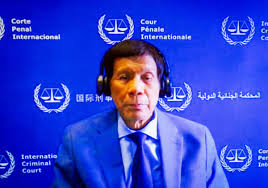
Duterte in custody and awaiting trial
Duterte, now in detention at the ICC facility in The Hague, was arrested March 11 at the Ninoy Aquino International Airport in Manila under an international warrant. He was flown out of the country the same day to face prosecution.
A pre-trial hearing was held on March 14, and the confirmation of charges hearing is slated for September 23—a critical juncture where judges will determine whether there is enough evidence for the case to proceed to a full trial.
A legal battle with global implications
The latest batch of documents signals the ICC’s resolve to hold former heads of state accountable for alleged atrocities, even years after leaving office. If the case moves forward, it will mark one of the rare times a sitting or former Southeast Asian leader has stood trial before an international tribunal.
Human rights observers note that the volume and organization of the evidence suggest a tightly constructed prosecution narrative, combining both field reports and structural analysis of state-led violence.
Meanwhile, Duterte’s legal team continues to argue that the ICC lacks jurisdiction, pointing to the Philippines’ withdrawal from the Rome Statute in 2019—a position that ICC judges have consistently rejected, citing that the alleged crimes took place while the country was still a member.
With the September hearing looming, the world is watching whether the ICC can make its case stick against one of Asia’s most controversial strongmen. If the charges are confirmed, Duterte will face trial not just for individual acts of murder, but for an entire policy that prosecutors argue amounts to crimes against humanity.
Regardless of the trial’s outcome, the case is already making history—reshaping international norms on accountability, impunity, and the global fight against extrajudicial violence.