The House of Representatives’ Committee on Basic Education discussed and questioned the implementation of Comprehensive Sexuality Education (CSE) starting at kindergarten.
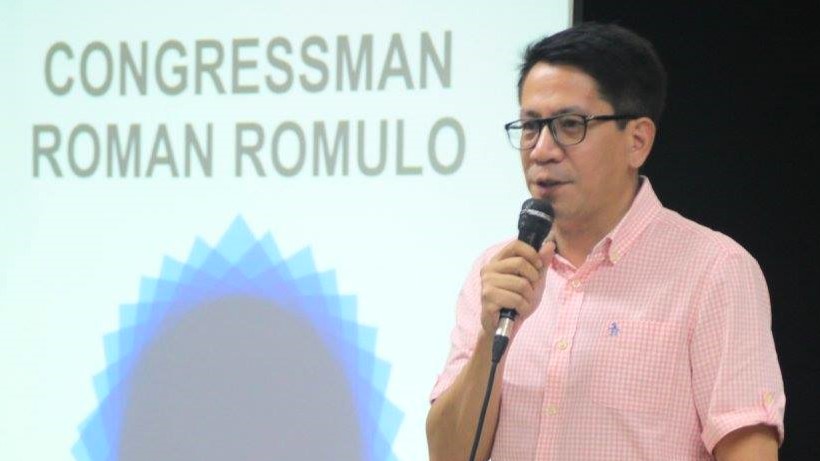
During the hearing, Rep. Roman Romulo questioned Department of Education (DepEd) assistant secretary Jerome Buenviaje about the motion to implement CSE from kindergarten to Grade 3.
The CSE is based on Section 14 of the Responsible Parenthood and Reproductive Health Act of 2012, which aims to “provide age- and development-appropriate reproductive health education to adolescents, which shall be taught by adequately trained teachers in informal and nonformal educational systems and integrated into relevant subjects such as, but not limited to, values formation.”
Romulo noted that the DepEd defines adolescence as beginning at 10 years old.
“May 10 year old ba tayo sa kindergarten? Generally, 10 years old ba ang K natin? So why did you introduce it in K? Kelan ba ang 10 years old? Anong grade yun?” He asked.
Buenviaje responded that children will not be able to grasp higher-level concepts without an early introduction.
“Hindi mo matuturo ang higher concept pag wala siyang introduction sa foundation. Kapag tinignan natin yung curriculum, hindi naman siya explicit na sexuality education,” he explained.
Buenviaje clarified that the lessons for kindergarten through Grade 3 would focus on body parts, the senses, and how to care for, protect, and relate to others.
He further explained that discussions about the reproductive system would not take place until students reach adolescence.
Romulo expressed concern that a 5-day training for approximately 400,000 teachers would not be sufficient.
“I think maliwanag naman napakamaselan ng subject matter and then sinabi nila na it took them only five days. One, burdened na nga ang mga teachers; so ‘yung upskilling na ganiyan hindi sapat ang five days,” Romulo said.
Education Secretary Sonny Angara stated that the agency is open to suggestions and feedback from the public.
“We are actively collaborating with various stakeholders, including health service providers and community organizations, to ensure that our programs are effective and culturally sensitive,” Angara said.