Nine years after questioning the need for freedom, Mocha Uson—once a staunch Duterte supporter—now laments the supposed death of free expression. Her change in tone reflects the shifting political landscape, with the Marcos administration now cracking down on disinformation, including from former allies.
Congress continues to push for penalties against disinformation, with ACT-CIS Rep. Erwin Tulfo advocating accountability for those who spread fake news. “Kailangan ho tayo may batas din doon pati ‘yong mga nagse-share-share na ‘yan sasabit din,” he said.
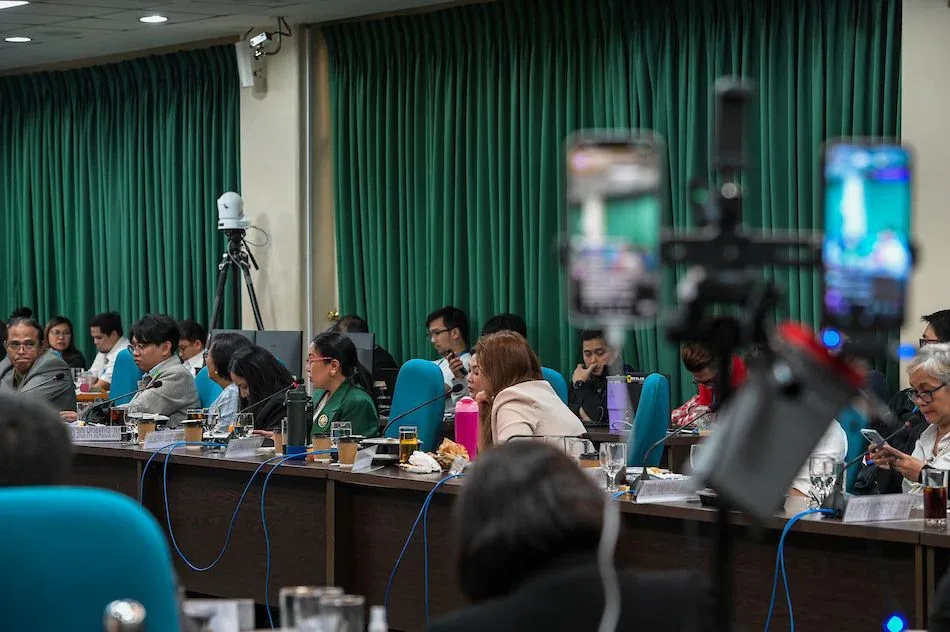
House hearings on disinformation turned emotional as some content creators admitted to posting unverified claims. Lifestyle editor Krizette Chu tearfully apologized for calling the government “stupid” and admitted she had no proof of her claims about mass resignations in uniformed services, basing them only on TikTok videos.
While Duterte-aligned influencers feel targeted, lawmakers from both camps remain engaged in the hearings. SAGIP Rep. Rodante Marcoleta, running under Duterte’s slate, has actively challenged content creators and government officials alike.
Beyond political rivalries, disinformation has been weaponized to justify extrajudicial killings and shape public opinion on key issues like the West Philippine Sea. A Social Weather Stations survey shows that 59% of Filipinos see fake news as a serious issue, with 65% struggling to distinguish fact from fiction.
However, media and rights groups warn against criminalizing disinformation, fearing it could be used to suppress legitimate dissent. Past laws against “false information” have led to arrests for satirical posts and government criticism.
Experts suggest a collaborative approach between government and civil society to effectively counter disinformation. The Cybercrime Investigation and Coordinating Center (CICC) plans to create a National Deepfake Task Force, shifting fact-checking to independent groups. “Hindi na ho natin isi-centralize ang pag-decide… we would like to have a community standard for this,” said CICC Undersecretary Alex Ramos.
With Meta scaling back fact-checking efforts, such partnerships could be a middle ground between unchecked free speech and heavy-handed government control in a region where online freedom remains precarious.