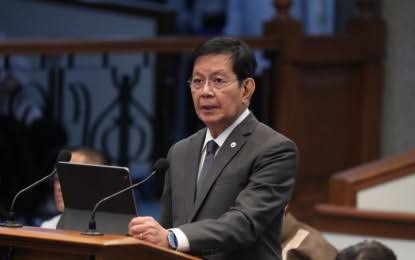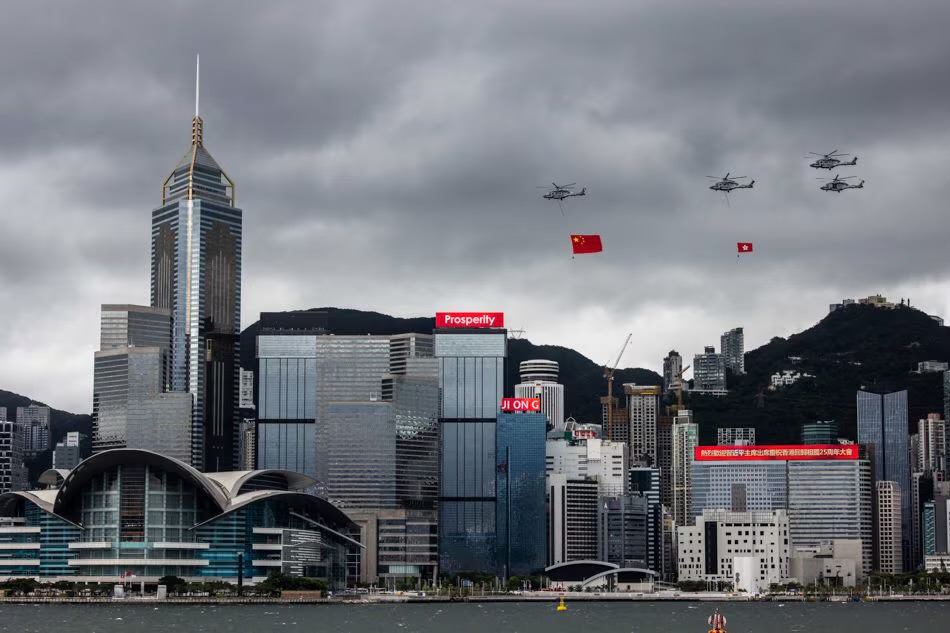
On a gloomy drive to Stanley Prison, former Democratic Party chair Emily Lau prepares to visit an old friend—one of five veteran party members currently behind bars. Once a symbol of Hong Kong’s moderate democratic movement, the city’s oldest opposition party is now seatless, embattled, and preparing to dissolve.
The Democratic Party, founded in 1994 ahead of Hong Kong’s handover to China, was built on the hope of universal suffrage under the “One Country, Two Systems” framework. But nearly three decades later, that vision lies in ruins.
The party’s Sunday meeting may be its last, with members expected to vote on formal dissolution, a process initiated in February. Party chair Lo Kin-hei attributed the decision to the current “political environment,” though he declined to confirm if Beijing directly pressured the group to disband.
The Democratic Party has seen its influence crumble since Beijing imposed a sweeping national security law in 2020 in the wake of the 2019 pro-democracy protests. That law led to mass arrests of opposition figures, including four ex-lawmakers from the party accused of subverting state power for organizing an informal primary election.
Emily Lau, a staunch advocate for democratic reforms, now watches as her party’s legacy unravels. Her predecessor, Albert Ho, could face life in prison. “Look at his fate,” she said. “He’s very, very patriotic.”
The crackdown has silenced the party. Its members lost all their seats in both the legislature and District Councils after resigning in protest in 2020. The following year, further electoral changes ensured the near-complete erasure of opposition voices.
Once seen as Beijing’s moderate counterpart, the Democratic Party had tried to work within the system. In 2010, Lau and two other members met with Beijing’s Hong Kong liaison office to discuss electoral reform — a first and only moment of dialogue. “We said to the liaison officers, ‘Well, you must continue to talk to us.’ They never did,” Lau recalled.
Younger members like Ted Hui later pushed for more assertive activism, believing the party had to “up its game” in response to a changing political climate. By 2019, Hui and others played careful but prominent roles in mass protests, contributing to a surge in the party’s electoral support that year.
But that momentum was short-lived. The 2020 security law halted the movement. Hui fled to Australia, became a police target, and was accused of violating the same law that had jailed his colleagues.
Today, the Democratic Party has become a pariah in its own city. Ramon Yuen, a former treasurer, said businesses refused to host party gatherings and that even social events became nearly impossible. “Even normal social gatherings could not be held,” he said, expressing support for the party’s dissolution.
“We’ve discussed universal suffrage for so many years, but we still don’t know when we’ll ever see it,” Yuen added.
At Stanley Prison, Lau remains resolute in her support for those jailed, continuing her visits as a gesture that they have not been forgotten. She hopes the end of the Democratic Party sparks reflection among Hong Kongers.
“Why do we have to disband? What is going on? That’s a question I want Hong Kong people to ask,” she said.