
By Jose Cielito Reganit
MANILA – Marikina 2nd District Rep. Miro Quimbo has introduced a measure to increase excise taxes on high-value automobiles and expand the coverage of non-essential goods, while eliminating the tax on perfumes and toilet waters.
House Bill No. 11465, filed Wednesday, proposes to change Sections 149 and 150 of the National Internal Revenue Code of 1997, as amended, to strengthen the tax framework on luxury and other non-essential consumption.
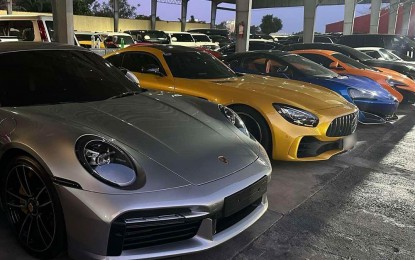
Under the proposed measure, automobiles priced above PHP4 million up to PHP8 million would be subject to a 50-percent ad valorem tax, while those priced above PHP8 million would be taxed at 75 percent. Existing tax rates for automobiles priced at PHP4 million and below would remain unchanged.
“The proposed measure aims to achieve greater tax progressivity and promote a more equitable distribution of wealth since luxury and high-value goods are generally purchased by consumers with greater disposable income and capacity to pay,” Quimbo said in a news release on Thursday.
“By raising the cost of high-value discretionary purchases, the measure may discourage conspicuous consumption, and redirect part of household resources toward savings, investments, or socially productive expenditure,” he added.
According to the chair of the House Ways and Means Committee, the proposed increase in automobile excise taxes is estimated to generate an additional PHP3.91 billion in annual revenue.
The measure states that additional revenues may be used to support government priority programs without increasing the tax burden on ordinary taxpayers.
The bill would also raise the tax on non-essential goods under Section 150 from 20 percent to 25 percent and expressly include yachts, jet skis, speedboats, sailboats, motorboats, aircraft, planes, jets and helicopters acquired for pleasure, private use or sport within its coverage.
At the same time, HB 11465 removes perfumes and toilet waters from the list of goods subject to the tax under Section 150.
The lawmaker added that the proposal is intended to make the tax system more progressive by directing a greater share of the tax burden toward high-value discretionary consumption.
“Strengthening the taxation of luxury consumption constitutes a practical means of enhancing the progressivity of the Philippine tax system,” Quimbo said.
“This measure would enable the Government to tap revenue sources that are readily identifiable and administratively accessible, while ensuring that goods and assets used for essential, livelihood, public transportation, or productive sources are not unduly burdened,” he said.