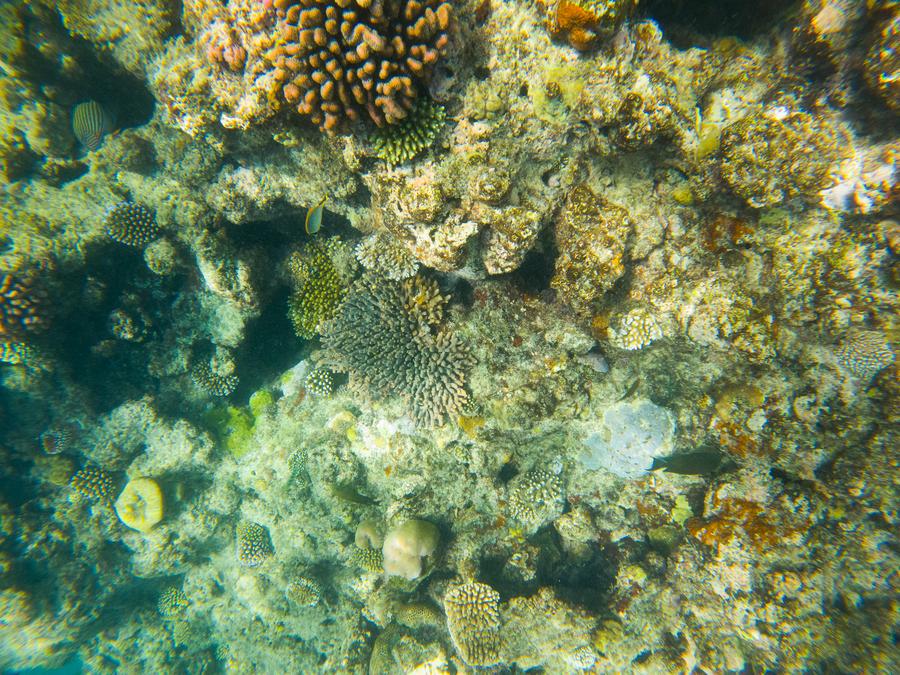
CANBERRA — Australia’s Great Barrier Reef (GBR) was likely saved from ecological collapse by strategic fisheries management implemented nearly two decades ago, according to groundbreaking new research.
A study published in Nature Ecology and Evolution reveals that protecting predatory fish was the key factor in preventing more frequent and devastating outbreaks of the coral-eating crown-of-thorns starfish (CoTS).
CoTS is one of the most significant threats to the reef’s health, responsible for major coral losses over the past 40 years. However, certain species of fish, notably emperors and groupers, are natural predators of the starfish.
Researchers from the Commonwealth Scientific and Industrial Research Organisation (CSIRO) and the Australian Institute of Marine Science (AIMS) found that measures adopted in 2004—which included expanding “no-take” zones to 33 percent of the reef and implementing stricter fishing regulations—have been hugely effective in protecting these vital fish populations.
Lead author Scott Condie of CSIRO stated that the modeling-based evidence shows these protective measures likely “averted a catastrophic tipping point.”
Without the intervention, the reef would have seen a sharp decline in large fish, resulting in continuous CoTS outbreaks and substantially less living coral.
The long-term success is evident in monitoring data, which shows that the frequency of starfish outbreaks is consistently lower within protected zones.
Meanwhile, the models forecast a grim future absent of these regulations, predicting a four-fold rise in affected reefs by 2050.
“Without intervention over the last two decades, the model shows that grouper and emperor populations on the Great Barrier Reef would also have consistently declined under increasing fishing pressure,” added AIMS researcher Daniela Ceccarelli.
The findings offer a crucial understanding of how managing CoTS predators can bolster the reef’s resilience against the growing, pervasive threat of climate change. (Xinhua)