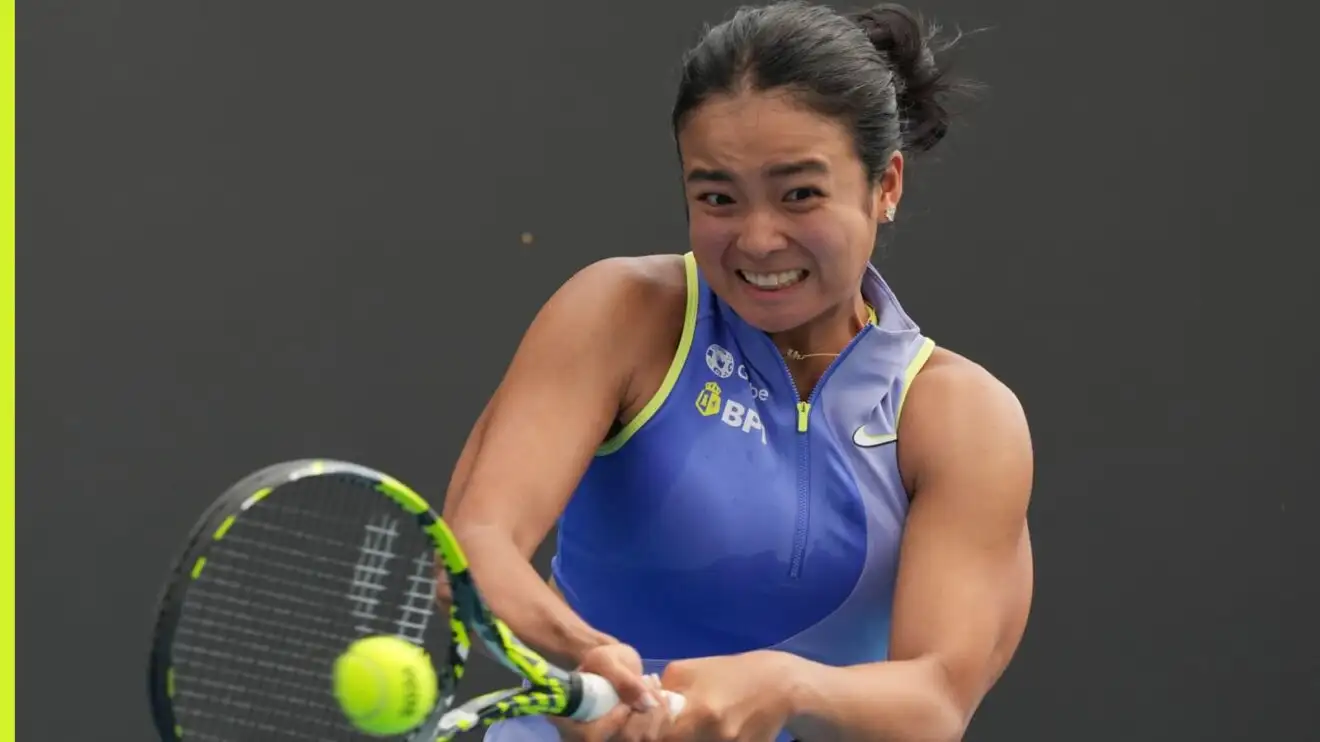

In the electric humidity of a Manila evening, Rizal Memorial Tennis Center wasn’t just a venue for competition — it became a stage for reflection, gratitude, and national pride. When Alex Eala cruised to a 6-1, 6-2 victory over Alina Charaeva in the round of 32 at the Philippine Women’s Open, the numbers on the scoreboard told only part of the story.
What resonated deeper was what Eala chose to say afterward: a tribute not just to her own journey, but to the collective sacrifice of everyday Filipinos and the parents who gave everything to nurture a dream.
“For me, playing at home, it’s added pressure,” Eala said, her voice steady and earnest, “but it’s nothing compared to the pressures that regular everyday Filipinos have to face providing for their families. It’s nothing compared to what my parents have sacrificed to bring me here.”
Speaking in Filipino, she continued, “Gustso ko lamang magpasalamat sa inyong lahat na nandito kayo. Mahirap ibahagi ang nararamdaman ko ngayon kasi matagal ko na itong pinapangarap. So, maraming salamat!”
“Playing at home, my family is able to watch me in person, finally. And all of you guys, lahat kayo nakapanood din ng personal, kaya tuwang-tuwa syempre.” Her words were a heartfelt acknowledgment that her triumph was inseparable from the countless hours of selfless support behind the scenes — from her parents and from the fabric of Filipino families striving every day.
Eala’s humility endeared her further to fans not because success was easy, but because she intentionally framed her victory within the broader context of struggle and devotion. Her reflection echoed a universal truth: behind every athlete’s accomplishments, there are foundations of sacrifice and unconditional support.
Sports families around the world know this well — “behind every athlete, there is a parent who believed in them first,” as one sports tribute puts it, honoring parents as the often unseen yet indispensable force behind an athlete’s rise.
Her acknowledgment also resonated with timeless sentiments on sacrifice and success. As motivational thinkers have pointed out, “great achievement is usually born of great sacrifice, and is never the result of selfishness.”
In Eala’s story, that sacrifice wasn’t abstract. It was the long drives to early practices, the missed gatherings, the emotional and financial toll that family support can exact over years.
In a way, Eala’s victory night became a tribute to all parents who defer their own goals to shepherd their children’s dreams. Whether they are ferrying their kids to practice fields at dawn or sitting in stands regardless of weather, parents invest time, hope, and often personal comfort to help their children flourish — an investment many athletes recognize only in retrospect.
And for Filipinos watching, there was a collective pride: this victory was not just for Eala but for the broader community. It redefined pressure not as a burden but as a shared experience — one that mirrors the everyday resilience of families working to put food on the table, to make ends meet, and to give their children opportunities they never had.
As Eala advances deeper into the tournament, every swing of her racket will carry more than points and rankings. It will carry the hopes of a nation and the acknowledgment that behind every extraordinary athlete stands countless ordinary sacrifices — the quiet everyday heroism of parents and families who, day in and day out, give their best so that children can chase their dreams.
In this, Eala’s Manila night was more than a sports milestone: it was a tribute to perseverance, love, and the shared journey that makes individual victories truly meaningful.