
Mastercard, GASA, and Whoscall have released the State of Scams in the Philippines 2025 Report, offering the clearest picture yet of how widespread fraud is eroding consumer trust in one of Asia’s most highly targeted markets. The findings reveal that Filipino adults face an average of 239 scam attempts each year—almost one every other day—underscoring how deeply fraud has woven itself into the country’s digital and everyday life.
The report, developed by the Global Anti-Scam Alliance in partnership with Mastercard and Whoscall, shows that victims collectively lost an average of ₱11,896 between February 2024 and February 2025. Yet only 73 percent of those who encountered scams chose to report them, and among those who did, 40 percent said no action was taken. The gap between reporting and resolution remains a critical weakness in the fight against fraud.
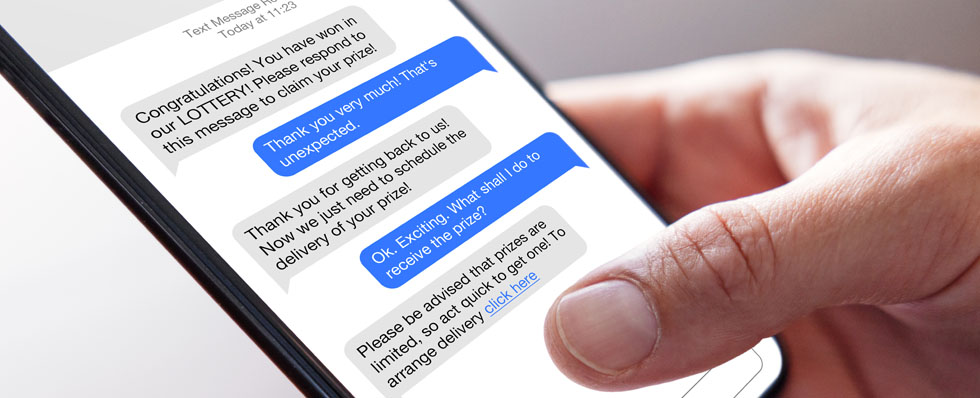
Filipinos encounter scams most often through the channels they use every day. Text messages remain the top entry point, followed by messaging apps and social media. Facebook and Telegram emerged as the platforms where scams most frequently unfold, while TikTok and Instagram are where victims struggle most to quickly detect suspicious activity. Younger consumers, particularly Gen Z, admitted to feeling least confident in spotting scams. Millennials absorbed the highest financial losses, averaging more than ₱14,000 per person, while seniors and suburban residents reported the greatest exposure to fraudulent attempts.
The impacts of scams extend far beyond lost money. Eighty-eight percent of victims said the experience left them stressed, and nearly half reported deeper emotional and psychological effects—including anxiety and distrust toward digital platforms. Scams have reshaped household decisions as well, forcing 23 percent of families to reduce spending, another 23 percent to navigate increased tension at home, and 20 percent to take on additional debt. Still, more than half of respondents said the ordeal has made them more vigilant.
Despite the personal fallout, many Filipinos remain unsure of where to turn for help. Forty percent admitted they did not know the proper channels to contact, while a third found the reporting process too confusing. Only 11 percent of victims who lost money were able to recover it, reflecting the limitations of current systems. Recent government reforms, including the passage of the Anti-Financial Account Scamming Act, aim to close these gaps by strengthening authority to freeze suspicious accounts, expand information sharing among regulators, and streamline investigations.
The Cybercrime Investigation and Coordinating Center has also taken a more visible role in public education and rapid response, demonstrating the effectiveness of coordinated action.
The study shows that nearly all Filipinos already take precautions when evaluating suspicious offers, often by checking social media pages, reading reviews, or verifying posts from official accounts. But experts warn that scammers have become adept at replicating digital identities, faking engagement metrics, and cloning legitimate profiles, making basic verification insufficient. The report stresses that safeguarding consumers should not fall solely on individuals but on a larger ecosystem that includes banks, digital platforms, telecom companies, and regulators.
GASA and Mastercard recommend more accessible reporting mechanisms, stronger enforcement, dedicated support for victims, and shared liability for reimbursing scam losses. Mastercard’s recent expansion of its TRACE financial crime detection tool into the country’s real-time payments system reflects the industry’s effort to stay ahead of evolving threats.
In presenting the findings, GASA APAC Director Brian Hanley emphasized that the issue goes beyond digital safety, noting that when one in three Filipinos loses money to a scam, the ripple effects reach entire families. Gogolook Philippines Country Head Mel Migriño echoed that sentiment, pointing out that scammers now employ AI and social media manipulation to deceive users, and highlighting Whoscall’s rollout of tools such as Content Checker and Scam Alerts to help counter emerging threats.
Mastercard Philippines Country Manager Jason Crasto added that scams have become a continuous digital hazard that inflict both financial and social trauma, and that protecting consumers requires systemic cooperation to rebuild trust in the digital economy.
The State of Scams in the Philippines 2025 Report is now available for public access, offering data-driven insights meant to guide stronger collective action against the country’s rapidly evolving fraud landscape.