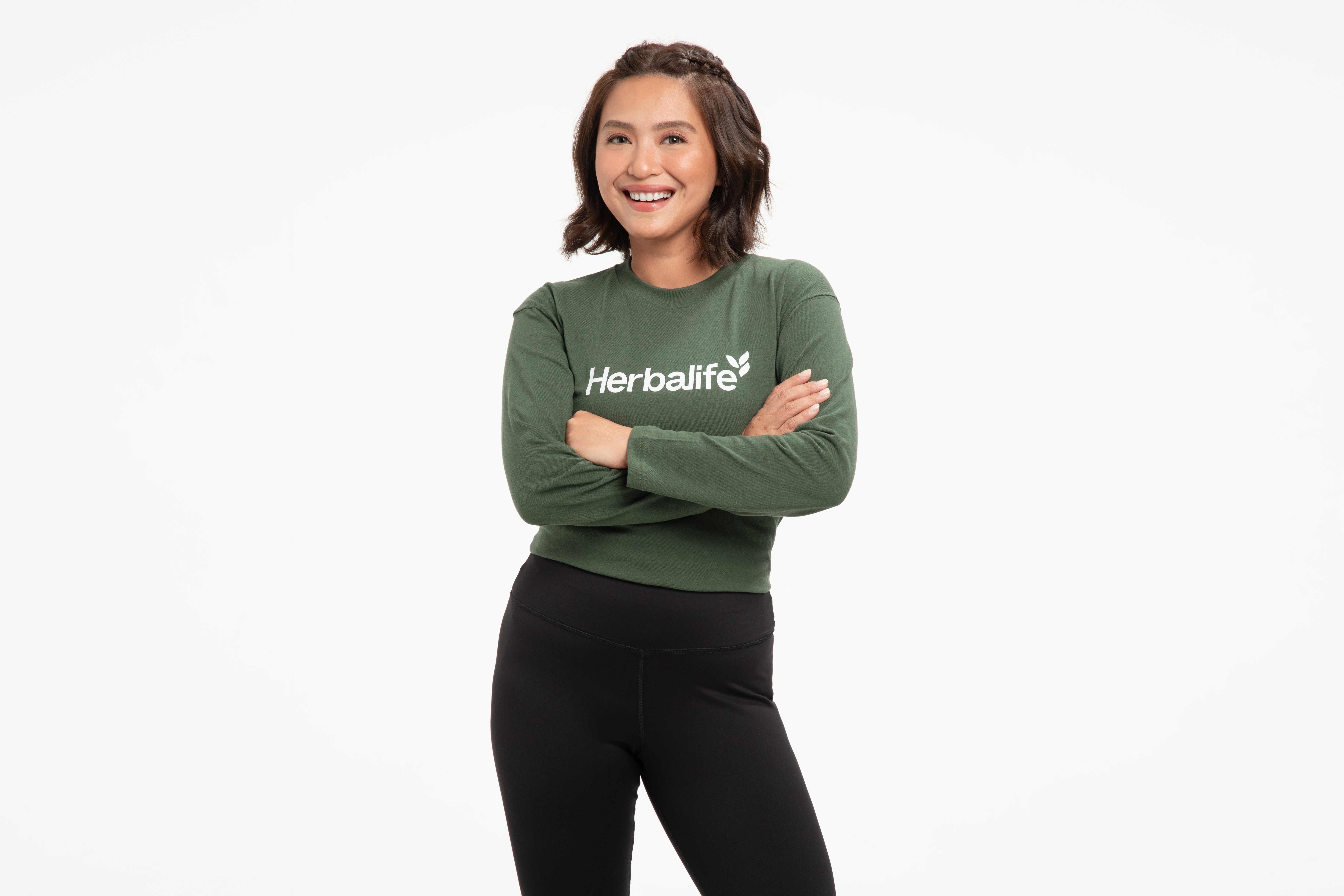

Brand ambassador and wellness advocate Joyce Pring.
As part of Women’s Month, Herbalife, a health and wellness company, reminds Filipinas that self-care is an essential holistic approach to wellness.
According to Dr. Vipada Sae-Lao, Herbalife Nutrition Education and Training Lead for Asia Pacific, juggling careers, family responsibilities, and often primary caregiving duties may lead women to experience high levels of stress that tend to manifest in varied physical and mental health issues. This constant pressure can contribute to weakened immune systems, hormonal imbalances, sleep disturbances, and increased susceptibility to cardiovascular disease, autoimmune disorders, and even depression.
Herbalife Philippines’ Healthier Together campaign brand ambassador and wellness advocate Joyce Pring echoed this sentiment.
“As woman, a mother, a daughter and a wife, we often put ourselves last, thinking that caring for others should come first,” Pring shared. “I’ve experienced this firsthand—there were times I felt guilty about stepping away for a moment of rest. But prioritizing self-care is not selfish—it’s a necessity.”

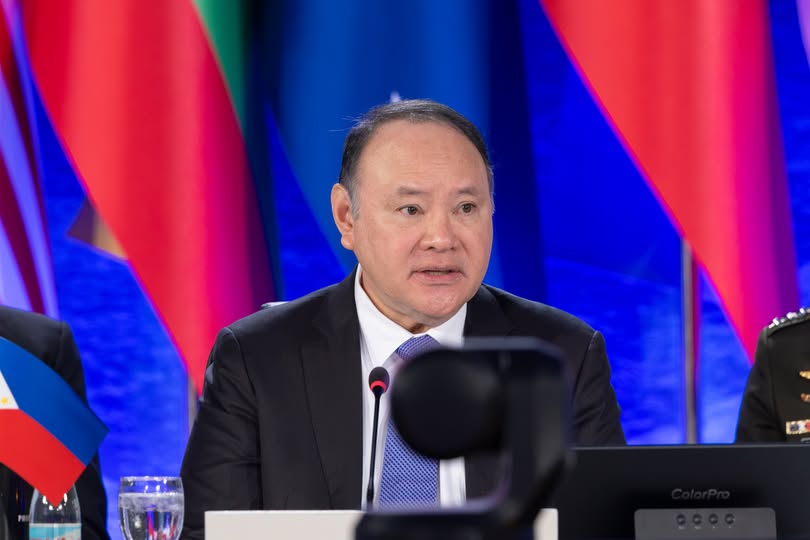
Dr. Vipada Sae-Lao
, Herbalife Nutrition Education and Training Lead for Asia Pacific.
She added: “That’s why I resonate deeply with Herbalife’s values of balanced nutrition, active living, and the power of community. Wellness is not just about personal choices, it’s about being part of a supportive environment that empowers us to thrive. Through Herbalife, I’ve seen how having a strong community and access to the right knowledge can help women take charge of their health with confidence. When we uplift each other, share what we learn, and lead by example, we create a ripple effect that inspires healthier families and stronger communities.”
Heart health
Dr. Sae-Lao noted cardiovascular disease is a leading cause of mortality of women in Asia, accounting for almost 35 percent of deaths in 2019. Data indicates that the Asia region had the highest age-standardized CVD death rates for females globally at 467.2 per 100,000 population, in 2019. Affecting women across age groups, it unfortunately continues to be under-diagnosed and under-treated due to misconceptions and a lack of awareness among healthcare providers and the public. Regular checks for risk factors, such as blood pressure, cholesterol, obesity, or diabetes is crucial for early detection of any heart related issues.
“Routine exercise, eating healthy and maintaining a healthy body weight support a healthy heart. Activities like yoga and meditation can support both mental and physical health, lower stress levels, benefiting blood pressure and cholesterol levels. Exercise helps blood vessels relax and widen allowing blood to flow efficiently nourishing the heart,” said Dr. Sae-Lao.
She added: “A healthy diet goes a long way in promoting heart health. Fresh fruits, colorful vegetables, lean proteins, and whole grains supply the energy and nutrients the body needs, while foods like fatty fish, flaxseeds, walnuts, pumpkin seeds, and soybeans are packed with omega-3 fatty acids and phytonutrients, which may also reduce the risk of heart disease,” she further added.
Hormonal health
While hormonal changes are a natural part of a woman’s life stages through menstruation, pregnancy, and menopause, they can also cause issues, such as irregular periods, mood swings, and fertility problems.
Iron, an essential nutrient plays a crucial role in hormonal balance in women. Iron is a key component of haemoglobin, a protein in red blood cells that helps transport oxygen throughout the body. Women lose iron through their monthly cycles, and many don’t get enough iron in the diet to meet daily needs.
Hormonal imbalances need to be addressed through lifestyle adjustments, balanced diet, physical activity, social support, as well as regular health checks and proper medical care.
“Aging also leads to an involuntary loss of skeletal muscle mass and strength, a condition called sarcopenia, which tends to affect women more. The impact of sarcopenia can be serious as muscle strength is critical to reduce the likely event of a fall and minimize the risk of fractures. Research suggests that age, height, weight, body mass index, waist circumference, skeletal muscle index, and fasting glucose, could be risk factors for sarcopenia in women,” said Dr Sae-Lao.
Daily physical activity, exercise in the form of aerobics or resistance training is needed to improve bone density and maintain muscle mass, especially in older women. Balanced nutrition also plays a key role in the prevention and management of both sarcopenia and osteoporosis.
Dr Sae-Lao stresses that consuming the required amount of protein and building muscle strength can help slow the rate of sarcopenia and improve quality of life. Consuming green leafy vegetables, tofu, and dairy products like milk, cheese and yoghurt is key for the bone’s calcium needs. Additionally, vitamin D supports the health of bones and teeth by aiding the body in absorbing calcium.
“While the conversation around women’s health has evolved over the years, it’s clear that we still have a long way to go. Enhancing awareness and education, prioritizing self-care, and advocating for better healthcare access, can enable women to accelerate their journey towards empowerment—one that is as much about body and mind as it is about rights and opportunities,” concluded Dr Sae-Lao. (MARY SY)