
(DC file photo)
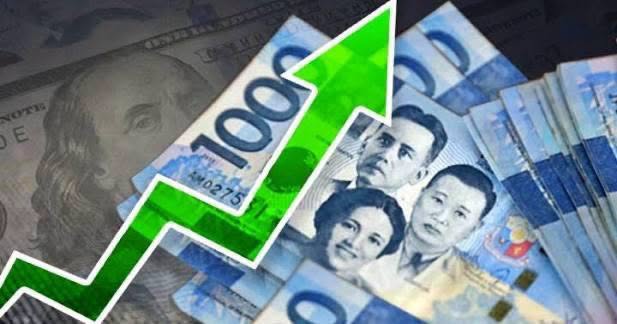
MANILA – The Philippine peso could regain strength against the US dollar before the end of 2026, supported by increased overseas Filipino worker (OFW) remittances, export earnings and seasonal demand during the Christmas holidays, an economist said Thursday.
Rizal Commercial Banking Corporation (RCBC) chief economist Michael Ricafort said the expected rise in dollar inflows during the fourth quarter could help support the local currency despite recent foreign exchange market volatility.
“The seasonal increase in OFW (overseas Filipino workers) remittances, export sales, and other US dollar sales/earnings/income to be converted to pesos in [fourth quarter] in time for the Christmas holiday-related spending (will help the peso),” Ricafort said in a response to the Philippine News Agency.
Historical data from the Bangko Sentral ng Pilipinas (BSP) showed that OFW remittances typically peak in December, when Filipinos working abroad send additional money to their families for holiday expenses.
Ricafort said increased dollar conversions by business process outsourcing (BPO) companies and exporters to cover salaries, bonuses and other year-end expenses could further strengthen the peso.
He added that foreign investment inflows into Philippine stocks and bonds could provide additional support for the local currency.
The economist also cited the BSP’s intervention in the foreign exchange market to manage excessive volatility as another factor that could help stabilize the peso.
The local currency weakened to the Php 64-per-dollar level on October 27 for the first time, amid concerns over slowing domestic economic growth, elevated inflation and expectations surrounding interest rate decisions by major central banks.
The peso subsequently recovered to the Php 62-per-dollar range before weakening again to around Php 63 against the greenback.
On Thursday, November 12, the peso opened at Php 63.25 against the US dollar, weaker than the previous session’s opening level of Php 63.15.
Despite recent fluctuations, Ricafort maintained that stronger seasonal dollar inflows and increased economic activity during the holiday period could help the peso recover before the year ends.