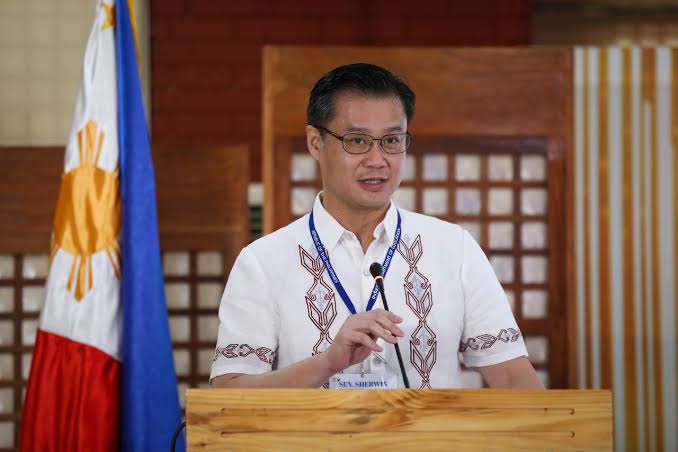
The Department of Social Welfare and Development (DSWD) provided developmental assessments, rehabilitation services, and financial assistance to 97 children during the third leg of its Island Children’s Assessment, Rehabilitation, and Empowerment Caravan (CAREvan) in Camiguin on October 29 and 30, 2026.
The two-day initiative was conducted in partnership with the National Council on Disability Affairs (NCDA), local government units, volunteer specialists, and partner organizations to bring essential healthcare and rehabilitation services closer to children and families in island communities.
Beneficiaries underwent developmental and rehabilitation assessments and consultations conducted by occupational therapists, psychiatrists, speech-language pathologists, and psychometricians.
Aside from medical and developmental services, the children received financial assistance, individualized nutrition care plans from the DSWD, and Unified Persons with Disability identification cards.
To ensure continuity of care, the DSWD partnered with STEPS Butuan Learning and Development Center to provide five months of therapy sessions in Camiguin, allowing beneficiaries to receive follow-up rehabilitation services without having to travel outside the island.
The agency said additional healthcare services are being prepared for the next leg of the Island CAREvan, including consultations with ear, nose, and throat (ENT) specialists and optometrists.
The DSWD also acknowledged the contributions of local government units, volunteer healthcare professionals, and partner organizations, including Restart Hope in Children in Conflict with the Law Inc., for supporting the initiative.
The Island CAREvan program aims to improve access to specialized healthcare, early developmental assessments, and rehabilitation services for children in geographically isolated communities, particularly those requiring long-term developmental support.
Through continued partnerships with government agencies and private organizations, the DSWD seeks to expand access to essential services and provide sustained assistance to children with disabilities and their families.