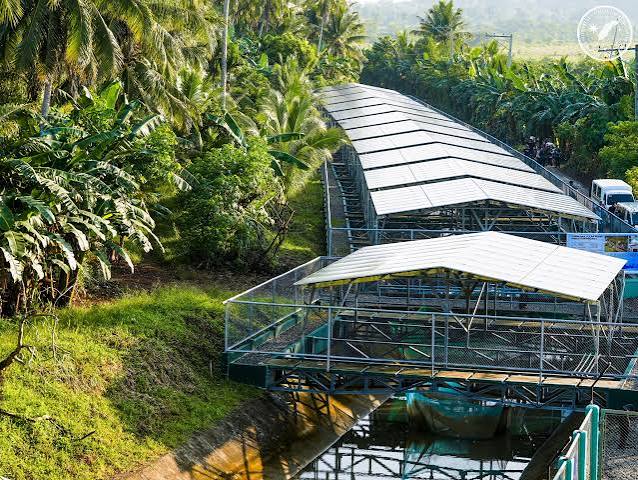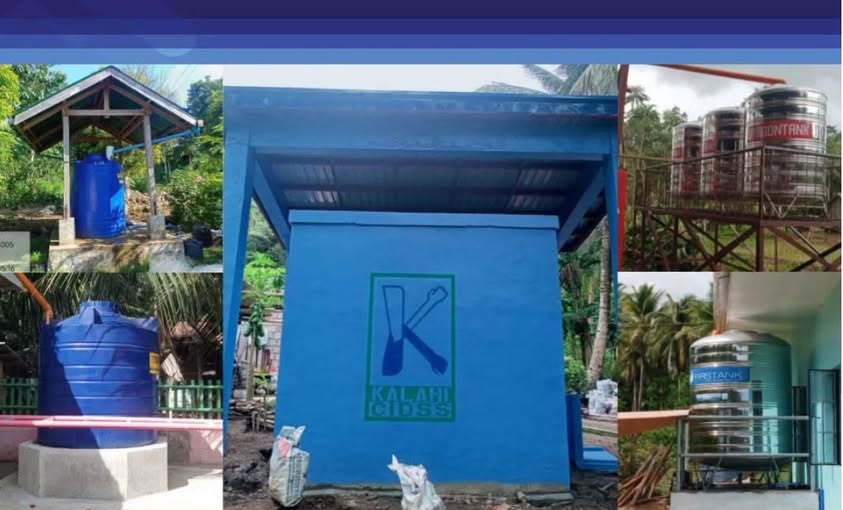

MANILA – The Department of Social Welfare and Development (DSWD), through its Kapit-Bisig Laban sa Kahirapan-Comprehensive and Integrated Delivery of Social Services (KALAHI-CIDSS) program, continues to develop water systems to help communities mitigate the effects of El Niño and strengthen disaster resilience.
KALAHI-CIDSS National Program Manager Bernadette Mapue-Joaquin on Monday said the program’s Community-Driven Development (CDD) approach empowers communities to build disaster resilience and develop sustainable infrastructure, including Small Water Impounding Projects (SWIPs), to help address severe drought, particularly in areas with limited access to natural water sources.
“Mula 2003, sinuportahan na ng KALAHI-CIDSS ang mga komunidad sa pagtukoy, pagpaplano, at pagpapatupad ng mga proyektong tumutugon sa kanilang pangangailangan. Kabilang dito ang 4,803 sistemang patubig na nagkakahalaga ng humigit-kumulang PHP5 billion, batay sa datos ng programa hanggang September 30 (Since 2003, KALAHI-CIDSS has supported communities in identifying, planning, and implementing projects that address their needs. These include 4,803 water systems worth approximately PHP5 billion, based on program data as of Sept. 30),” Mapue-Joaquin said in a news release.
The KALAHI-CIDSS program provides communities with financial resources, direct control over project selection, and capacity-building training to promote sustainability and encourage active participation in nation-building.
Among its completed initiatives are 76 rainwater collection and catchment sub-projects across various regions, directly benefiting around 10,664 households.
These systems provide alternative water sources for vulnerable populations, particularly those in Geographically Isolated and Disadvantaged Areas (GIDAs).
To further strengthen the country’s disaster preparedness, the DSWD established the Panahon ng Pagkilos: Philippine Community Resilience Project (PCRP) under KALAHI-CIDSS.
Through the PCRP, local government units (LGUs) facilitate the Community Resilience Implementation Process, during which residents conduct Participatory Risk and Vulnerability Assessments (PRVAs).
The process enables communities to assess local vulnerabilities, identify hazards and develop targeted solutions through the Municipal Resilience Planning (MRP) mechanism.
Data from the KALAHI-CIDSS National Program Management Office (NPMO) showed that 103 municipalities identified intense drought as their primary hazard and subsequently implemented 200 subprojects to mitigate its effects.
“Batay sa kasalukuyang datos, kabilang sa mga natukoy na proyekto [mula sa MRP] ang pagtatayo at rehabilitasyon ng water systems, mga solar-powered water pumping unit, mababaw na balon na may water pump, mga rainwater harvesting system, communal rainwater catchment, at iba pang proyektong pang-supply ng tubig na sumusuporta sa kalusugan at sanitasyon, agrikultura, at mga gawaing pangkabuhayan (Based on current data, the projects identified through the MRP include the construction and rehabilitation of water systems, solar-powered water pumping units, shallow wells with water pumps, rainwater harvesting systems, communal rainwater catchments, and other water supply projects that support health and sanitation, agriculture, and livelihood activities),” Mapue-Joaquin said.
The KALAHI-CIDSS NPMO aims to expand the PCRP to 880 municipalities. The first 500 municipalities will be covered by funding from a World Bank loan to support comprehensive local resilience planning.
Mapue-Joaquin said involving residents directly in project development fosters a sense of ownership, promotes proper management, and helps preserve essential infrastructure for future generations.
“Sa katatapos na Tatak KALAHI-CIDSS Local Government Unit Awards sa Bacolod City, nanguna ang Bayan ng Lopez Jaena sa Misamis Occidental, sa pamamagitan ng pagpapakita ng proseso ng Molatuhan Bajo Level II Waterworks System sa loob ng 18 taon. Mula 2008, nananatiling gumagana at maayos na napapangalagaan ang proyekto upang makatulong sa pagtugon sa kakulangan sa suplay ng tubig ng komunidad (At the recently concluded Tatak KALAHI-CIDSS Local Government Unit Awards in Bacolod City, the Municipality of Lopez Jaena in Misamis Occidental stood out by presenting the 18-year history of the Molatuhan Bajo Level II Waterworks System. Since 2008, the project has remained operational and well-maintained, helping address the community’s water supply shortage),” she said.
By placing decision-making directly in the hands of residents, the CDD approach transforms communities from passive recipients of assistance into active partners in development.
Through continued implementation of community-led initiatives, the DSWD aims to promote inclusive growth, strengthen climate resilience and improve the lives of vulnerable Filipino families nationwide.