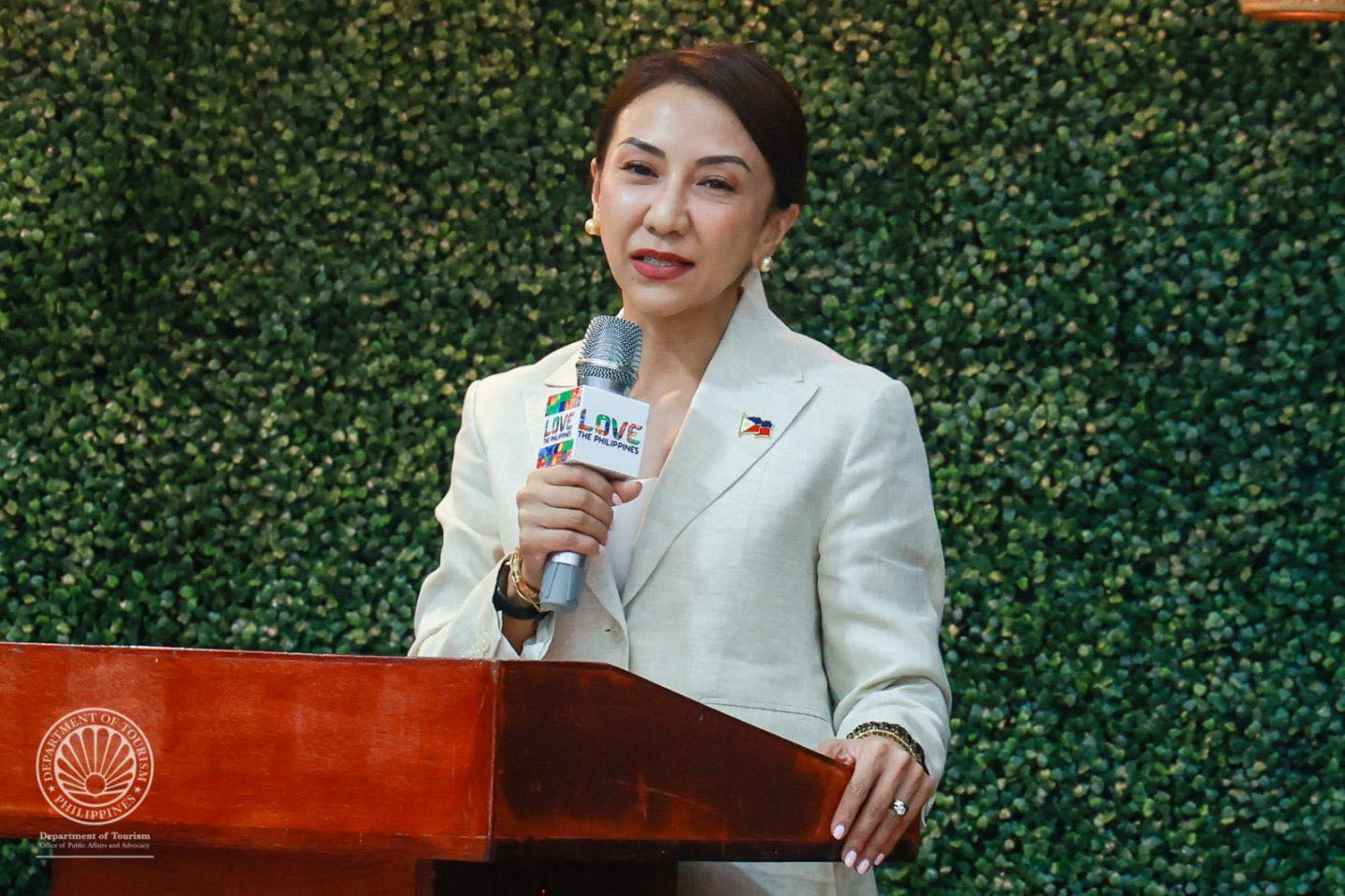

The Department of Tourism secretary Christina Garcia Frasco has strongly condemned the publication of a “false and misleading” travel safety ranking by HelloSafe, a Canada-based comparison platform, which initially labeled the Philippines as the “least safe country” for travelers—a designation officials say has caused serious and lasting harm to the nation’s global image and tourism-dependent communities.
The controversial listing has since been edited, removing the Philippines and replacing it with another unnamed country. However, government officials argue the correction is “incomplete” and that the reputational damage “has already been done.”
In a sharply worded statement, Frasco accused HelloSafe of publishing a travel safety index that was “built on questionable data, lacking in transparency, and entirely disconnected from realities on the ground.” It also noted glaring inconsistencies in the platform’s methodology, citing the reuse of the exact same safety score (82.32) for different countries within just six days—raising questions about the validity of the entire assessment.

“Safety indexes, when tied to sales and commercial interests, can unfairly distort national reputations,” Frasco said, noting that HelloSafe’s core business revolves around selling travel insurance—not providing independent or verifiable safety evaluations.
The government expressed dismay that once the flaws in the ranking became public, the Philippines was quietly removed from the list without clarification or accountability, describing the move as “irresponsible and unacceptable.”
While acknowledging the country faces challenges like any other, officials emphasized that security in major and emerging tourist destinations is actively upheld through the work of trained police personnel, partnerships with local governments and law enforcement, and the daily commitment of Filipino tourism workers.
“The impact of this false narrative is not abstract. It disrupted bookings and businesses. It cast doubt on our destinations. Worse, it harmed the livelihoods of millions of Filipinos who depend on tourism,” Frasco added.
The Philippines is now demanding a full correction from HelloSafe, including the removal of all inaccurate references to the country across its platforms and the publication of transparent methodology behind any future safety rankings. It also called on media outlets that carried the erroneous report to issue corrections and exercise greater due diligence in disseminating sensitive information that could affect international travel behavior.

“This is the moment to speak with one voice,” the tourism chief said in a direct appeal to the Filipino public. “Defending the truth of our country is not about denying its imperfections. It’s about refusing to let those imperfections be distorted or weaponized.”
The tourism chief stressed that the country’s identity should not be shaped by flawed metrics but by the resilience and hospitality of its people. “The Philippines is not defined by a false statistic—it is defined by our people: resilient, disciplined, and deeply proud of what we offer the world.”