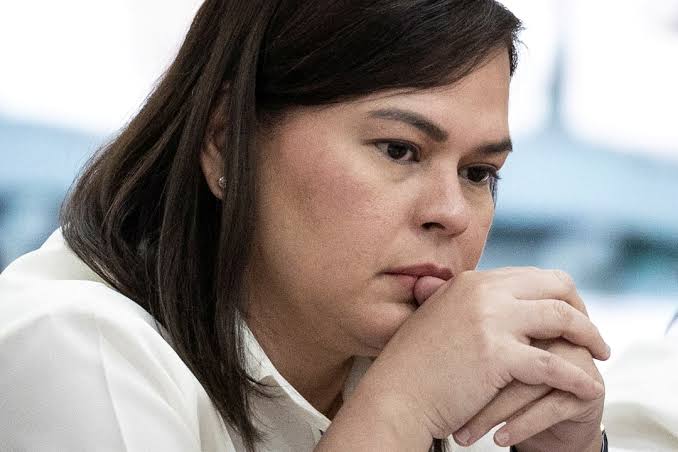
Sen. Ronald “Bato” Dela Rosa – Photo courtesy of Bato Dela Rosa/Facebook.
Justice Secretary Fredderick Vida had a clear warning. Anyone helping Ronald dela Rosa stay out of reach of an arrest order from the International Criminal Court could face serious legal trouble, both in the Philippines and beyond.
The government’s legal teams were already on the same page. The Department of Justice and the Office of the Solicitor General tagged dela Rosa as a fugitive from justice after the Supreme Court of the Philippines turned down his request to stop the ICC warrant.
For Vida, the direction was straightforward. Dela Rosa had been accused as a co-perpetrator in crimes against humanity tied to the drug war, and he needed to face the charges before the ICC.
That meant action on the ground. The Philippine National Police and the National Bureau of Investigation were ordered to enforce the arrest, with authorities saying the warrant carried legal weight.
The warning extended beyond the senator himself. Those who might help him hide or escape accountability were also at risk, as aiding evasion could trigger penalties under both local and international law.
The backdrop was the Duterte-era drug war, where thousands of deaths drew global scrutiny. Former president Rodrigo Duterte was now detained in The Hague, while dela Rosa and Christopher Go were among those linked to the ICC case.
Dela Rosa had reportedly gone off the radar after learning about the warrant issued in 2025. He later surfaced briefly at the Senate, but authorities said he managed to avoid arrest and slipped away before agents could act.
With that, police tightened the net. Border units were placed on alert across airports and seaports, as the government pushed its message: the rule of law applies, and running from it could come at a cost.