
(Photo courtesy of PNA)
MANILA – The Department of Health (DOH) is developing an expanded Philippine Health Insurance Corporation (PhilHealth) benefit package for survivors of violence against women and children (VAWC), with implementation targeted for the fourth quarter of 2027 or the first quarter of 2028.
Health Secretary Edwin Mercado said Wednesday, November 18, that the proposed Z Benefit package would provide comprehensive medical and psychological support, including follow-up care after patients are discharged from hospitals.
“We’re developing a more comprehensive package in PhilHealth that will also cover post-care, follow-up and psychological support. It is still being drafted, but it will have broader coverage so that care does not end when a patient is discharged from the hospital,” Mercado said.
The proposed package seeks to address gaps in the existing healthcare system by ensuring that survivors receive continued treatment, counseling, and psychosocial assistance beyond their initial hospital visits.
Mercado said the initiative forms part of the DOH’s health benefit roadmap, which prioritizes medical conditions based on prevalence, mortality, treatment costs, and available scientific evidence.
He clarified that the VAWC benefit package is separate from the developmental disability benefit package targeted for implementation in the fourth quarter of 2026.
The latter was among the commitments announced during President Ferdinand Marcos Jr.’s fifth State of the Nation Address.
Existing healthcare services
Mercado said PhilHealth already covers certain medical services for abuse survivors, including examinations and X-rays under its Outpatient Emergency Room Benefit.
Primary care consultations under the Yaman ng Kalusugan Program (YAKAP) can also help doctors identify possible signs of abuse, including physical injuries, malnutrition, and psychological distress.
However, the proposed Z Benefit package aims to expand coverage to include long-term psychological care and follow-up services.
The health secretary emphasized that survivors often require continued medical and emotional support even after their immediate injuries have been treated.
Child protection units nationwide
The DOH reported that 137 Child Protection Units (CPUs) are operating in government and local government hospitals nationwide.
These units provide specialized services to children who may have experienced abuse, neglect, or other forms of violence.
Mercado said pediatricians refer children to the units when they detect possible warning signs, such as unexplained bruises, healing fractures, or other injuries that may indicate abuse.
To strengthen the government’s response, the DOH is drafting an administrative order establishing standardized procedures for handling and documenting abuse cases.
The proposed guidelines will cover medical assessments, documentation, evidence collection, and preservation of records that may be used in legal proceedings.
The department also plans to establish a national registry to improve the monitoring of reported cases.
Mercado said the protocols would strengthen coordination with the Department of Justice (DOJ) on legal concerns, the Department of Social Welfare and Development (DSWD) on family assistance, and the Department of the Interior and Local Government (DILG) on local government involvement.
Strengthening prevention and mental health support
Beyond medical treatment, the DOH is seeking to expand prevention programs through partnerships with government agencies and schools.
Mercado said health promotion initiatives and YAKAP services would be aligned with DSWD programs, including family guidance activities under the Pantawid Pamilyang Pilipino Program (4Ps).
School-based programs would also help parents and children recognize depression and other mental health concerns.
To address the shortage of psychologists and psychiatrists, the DOH is training nurses under the Mental Health Gap Action Programme to conduct initial mental health assessments.
The initiative aims to improve early identification of psychological concerns, particularly in communities with limited access to mental health professionals.
Climate disasters increase risks to children
Mercado also warned that climate-related disruptions to agriculture and livelihoods could increase children’s vulnerability to exploitation, particularly when families experience severe financial difficulties.
He noted that children face additional health risks during extreme weather conditions, including dehydration during prolonged periods of intense heat.
According to the DOH, approximately 85 percent of its hospitals comply with the department’s El Niño preparedness checklist.
The checklist covers the availability of medicines, social support services, backup electricity, water supplies, and temperature-controlled storage facilities.
WHO urges stronger child protection measures
World Health Organization (WHO) Department of Health Determinants, Promotion and Prevention Director Dr. Etienne Krug emphasized the importance of coordinated services to prevent further trauma among children who experience violence.
“We need better laws,” Krug said, calling for safer communities, stronger parenting programs, economic assistance for vulnerable families, and improved services for abuse survivors.
He highlighted the WHO’s INSPIRE framework, which outlines seven evidence-based strategies for preventing and responding to violence against children.
These include enforcing laws, changing harmful social norms, creating safe environments, supporting parents and caregivers, strengthening household income, improving response services, and promoting education and life skills.
Krug cited child protection initiatives in Valenzuela City and welcomed plans to expand similar programs nationwide.
He also warned that disasters can increase children’s exposure to violence, particularly when they become separated from parents or guardians or when economic and emotional pressures intensify within households.
The WHO official stressed that child protection measures should be integrated into disaster preparedness and emergency response programs.
Global commitments against child violence
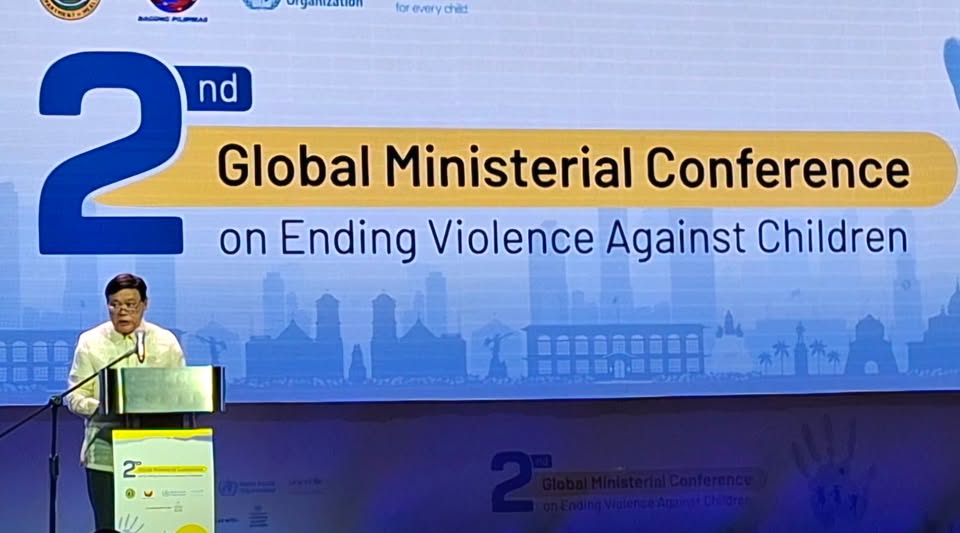
Meanwhile, Krug said governments had made 250 new pledges during the second Global Ministerial Conference on Ending Violence Against Children, with combined funding commitments exceeding USD 500 million as of the interview.
He said more than two-thirds of the commitments made during the first conference in Bogotá, Colombia, two years earlier had been fully or partially implemented.
“We will be monitoring progress and supporting countries as well to make sure that these pledges are being implemented,” Krug said.
The DOH’s proposed PhilHealth package is intended to complement these broader child protection efforts by ensuring that survivors of violence have access to sustained healthcare and psychological assistance.
If implemented as planned, the expanded benefits would provide additional financial protection for women and children requiring continued medical and mental health services following incidents of abuse.