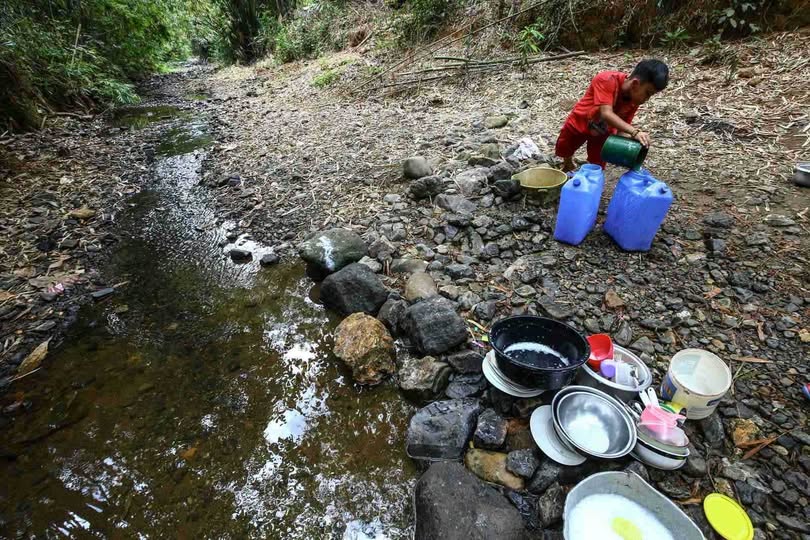

(DC file photo)
MANILA – The Department of Health (DOH) reported a 69-percent increase in cholera cases over a two-week period, prompting renewed calls for the public to ensure access to safe drinking water and properly prepared food amid El Niño conditions.
Based on the DOH epidemiological report as of November 7, cholera cases climbed to 27 from October 11 to 24, compared with 16 recorded between September 27 and October 10.
Despite the increase, cumulative cases reached 551, representing a 61-percent decline from the 1,421 cases reported during the same period in 2025.
The cholera case fatality rate (CFR) stood at 2.18 percent.
Two areas exceeded the epidemic threshold and continued to record increasing infections, prompting closer monitoring by health authorities.
Cholera is among the climate-sensitive infectious diseases being monitored by the DOH amid concerns over access to clean water during El Niño.
The department reminded the public to drink safe water, observe proper food handling and thoroughly cook meals to prevent waterborne and foodborne infections.
Typhoid fever cases rise
Meanwhile, typhoid fever cases increased by 4 percent to 1,141 from October 11 to 24, compared with 1,101 during the previous two-week monitoring period.
Cumulative infections reached 16,432, down 28 percent from 22,935 recorded during the same period last year.
The CFR stood at 0.30 percent, representing a 19-percent decline from the previous reporting period.
Fifteen provinces and highly urbanized cities across 10 regions remained under surveillance after exceeding epidemic thresholds and reporting sustained increases.
The DOH reported that 88 percent, or 13,770 cases, required hospitalization.
Health authorities advised individuals experiencing persistent fever, severe abdominal pain, repeated vomiting, abdominal swelling, bloody stools, extreme weakness or difficulty eating and drinking to seek immediate medical attention.
Acute bloody diarrhea cases decline
The DOH also recorded 8,601 acute bloody diarrhea cases from January 4 to November 7, a 25-percent decrease from 11,463 during the same period in 2025.
Cases dropped by 10 percent to 362 from October 11 to 24, compared with 401 during the preceding two-week period.
The CFR remained at 0.09 percent, while national figures stayed below alert and epidemic thresholds.
However, six provinces and highly urbanized cities across five regions were placed under closer monitoring because of localized increases.
The DOH urged individuals experiencing bloody stools, particularly those accompanied by frequent diarrhea, persistent vomiting, severe abdominal pain, dehydration, weakness or reduced urination, to immediately consult a healthcare professional.
Flu-like illnesses increase by 8%
Influenza-like illness (ILI) cases rose by 8 percent to 15,925 from October 11 to 24, compared with 14,745 during the previous two-week period.
Despite the increase, cumulative cases reached 150,187, down 15 percent from 177,024 during the corresponding period in 2025.
The CFR remained at 0.06 percent.
Western Visayas, Mimaropa and Central Visayas registered the highest percentage increases.
Fourteen areas across seven regions were flagged for localized increases, with most identified in Central Visayas.
The DOH reminded the public to practice proper respiratory hygiene, cover the mouth and nose when coughing or sneezing, stay home when experiencing flu-like symptoms and maintain adequate indoor ventilation.
It also cautioned that extreme heat and other environmental conditions could worsen respiratory illnesses.
Dengue cases slightly increase
Meanwhile, dengue infections reached 254,090 from January 4 to November 7, a 9-percent decline from 280,643 during the same period last year.
However, cases increased slightly by less than 1 percent to 24,100 from October 11 to 24, compared with 24,015 in the preceding two-week period.
The national CFR stood at 0.39 percent, with all regions recording fatality rates below 1 percent.
Thirty-two areas across 14 regions exceeded epidemic thresholds and continued to report increasing infections.
The DOH urged communities to strengthen mosquito-control measures and follow the “4Ts” strategy: Taob, Taktak, Tuyo and Takip, which involves overturning, emptying, drying and covering containers that may collect stagnant water.
Health authorities warned that El Niño-related heat could influence mosquito breeding patterns, while improperly covered water storage containers could become additional breeding grounds.
The department reiterated the importance of preventive health practices, environmental sanitation and early medical consultation to reduce the spread of infectious diseases and prevent severe complications.