
BAGUIO CITY – The Department of Health in the Cordillera Administrative Region (DOH-CAR) has assured the public that medical facilities across the region are prepared to respond to health emergencies associated with El Niño.
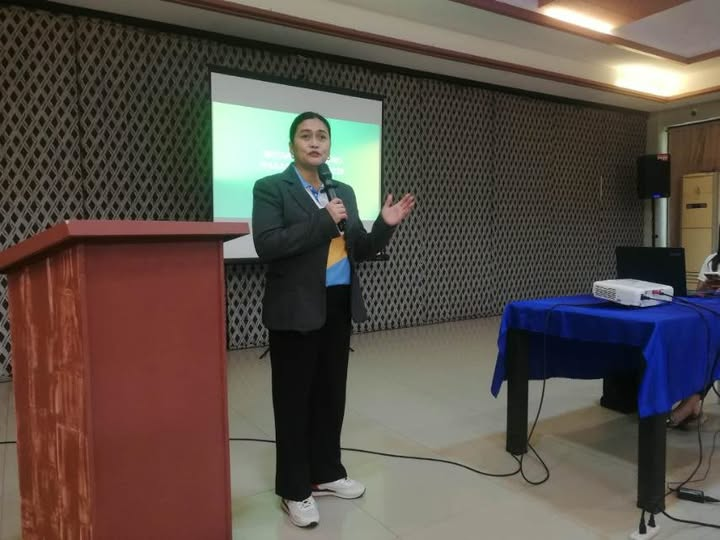
Jethro Simeon, Nurse V of the DOH-CAR Health Emergency and Medical Services (HEMS), said the department is ensuring that health facilities have adequate water, electricity, sanitation and other essential resources to sustain operations during the weather phenomenon.
“Part of preparedness is ensuring that health facilities are capable. Health facilities should be the last facility standing amid all crises. It must have water, electricity for the medicines stored, and sanitation of the operating room. We ensure that facilities are ready,” he said.
Simeon warned that extreme heat could trigger various health conditions, including heat stroke, which can be fatal if not promptly managed.
He urged the public to regularly monitor heat index advisories through official platforms and take precautions against excessive heat exposure.
“Extreme heat poses a threat to the human body. We need to know what the body will feel and how it will react so that we can take appropriate measures to prevent serious effects,” he said.
He also cautioned that water shortages could increase the risk of waterborne diseases, including diarrhea and cholera, particularly when hygiene, sanitation and food preparation practices are compromised.
Simeon stressed that hospitals need a reliable water supply to maintain sanitation, keep toilets clean and ensure the proper functioning of operating rooms and other essential services.
He also warned of possible increases in dengue cases, noting that mosquitoes become more active under certain warm conditions.
Food shortages resulting from the impact of El Niño on agriculture could likewise worsen malnutrition, particularly among vulnerable groups such as pregnant women and children.
“Agriculture can be affected, and it is the sector that produces food. We need food to ensure proper nutrition, especially for vulnerable groups such as pregnant women and children,” he said.
Simeon added that heat-related fires could expose people to smoke and respiratory problems, particularly those with existing health conditions.
He warned that a rise in heat-related illnesses and other health emergencies could increase demand for medical services and strain the capacity of health facilities.
Older persons, he said, are particularly vulnerable because their bodies have a reduced ability to regulate temperature.
He advised caregivers to regularly remind older persons and children to drink water and take their prescribed maintenance medicines, rather than wait for them to ask for assistance.
The public was also urged to avoid prolonged exposure to direct sunlight during peak heat hours and reschedule outdoor activities to cooler parts of the day.
“Delay any outdoor activities to hours when the sun’s rays are not so hot,” Simeon said.
The Philippine Atmospheric, Geophysical and Astronomical Services Administration earlier reported that the country is experiencing a strong El Niño, which was expected to intensify to a very strong episode by January, with potential impacts on various sectors, including health and public safety. (Liza Agoot/PNA)