
(Photo courtesy of PIA)
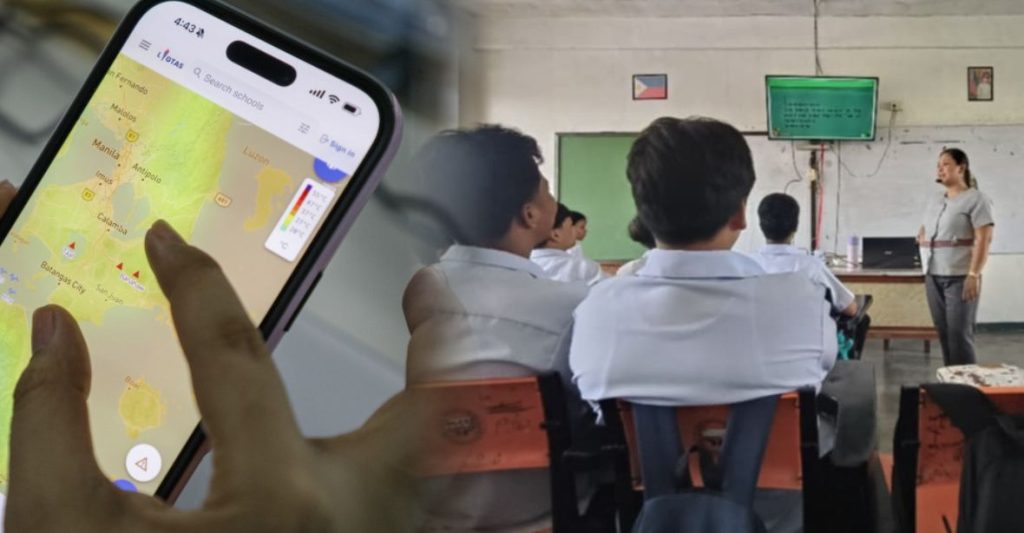
PASIG CITY, Philippines – The Department of Education (DepEd) is preparing nationwide guidelines to protect students from extreme heat and water shortages while ensuring the continuity of classes and school feeding programs during the 2026–2027 school year.
Education Secretary Sonny Angara said the department is strengthening preventive measures in anticipation of a strong to very strong El Niño, which the Philippine Atmospheric, Geophysical and Astronomical Services Administration (PAGASA) warned could intensify before the end of 2026 and persist through the first half of 2027.
“We must prepare early to protect learners and keep education services going despite climate-related disruptions,” Angara said.
The guidelines, aligned with DepEd Order No. 014, series of 2026, will require schools and Community Learning Centers (CLCs) to implement the “4H” framework: Hayo, Hinay, Hinga, and Hinto.
Under Hayo (Go), regular face-to-face classes may continue with adjustments such as scheduled water breaks, reduced outdoor exposure, and flexible clothing requirements.
Hinay (Slow) allows schools to modify class schedules and introduce home-based or hybrid learning when heat stress becomes a concern.
During Hinga (Breathe/Pause), schools will reduce academic workloads and provide supplementary learning materials, including literacy and numeracy activities through printed modules, television, and radio.
Hinto (Stop) requires the suspension of academic activities when extreme heat poses serious health risks. Schools must continue safety monitoring, maintain communication with families, and provide referrals for psychosocial support when necessary.
Angara said school heads and division superintendents would be given flexibility to determine appropriate learning arrangements based on local conditions, including classroom ventilation and water availability.
The guidelines will also require schools to assess risks involving water supply, electrical systems, classroom ventilation, and fire safety.
To sustain the School-Based Feeding Program, schools must prepare contingency menus, coordinate with local governments and farmers’ cooperatives, and maintain emergency stocks of non-perishable food.
Additional measures include monitoring classroom temperature and humidity, repairing water leaks, ensuring access to safe drinking water, and coordinating with utility providers for possible water rationing.
Schools will also maintain sufficient printed learning materials for distribution if regular classes are disrupted.
DepEd emphasized that parents must not be required to shoulder additional expenses for cooling equipment, internet connectivity, or specific clothing as a condition for participating in alternative learning arrangements.
The department said the measures aim to safeguard students’ health while minimizing disruptions to education during prolonged dry and hot weather conditions.