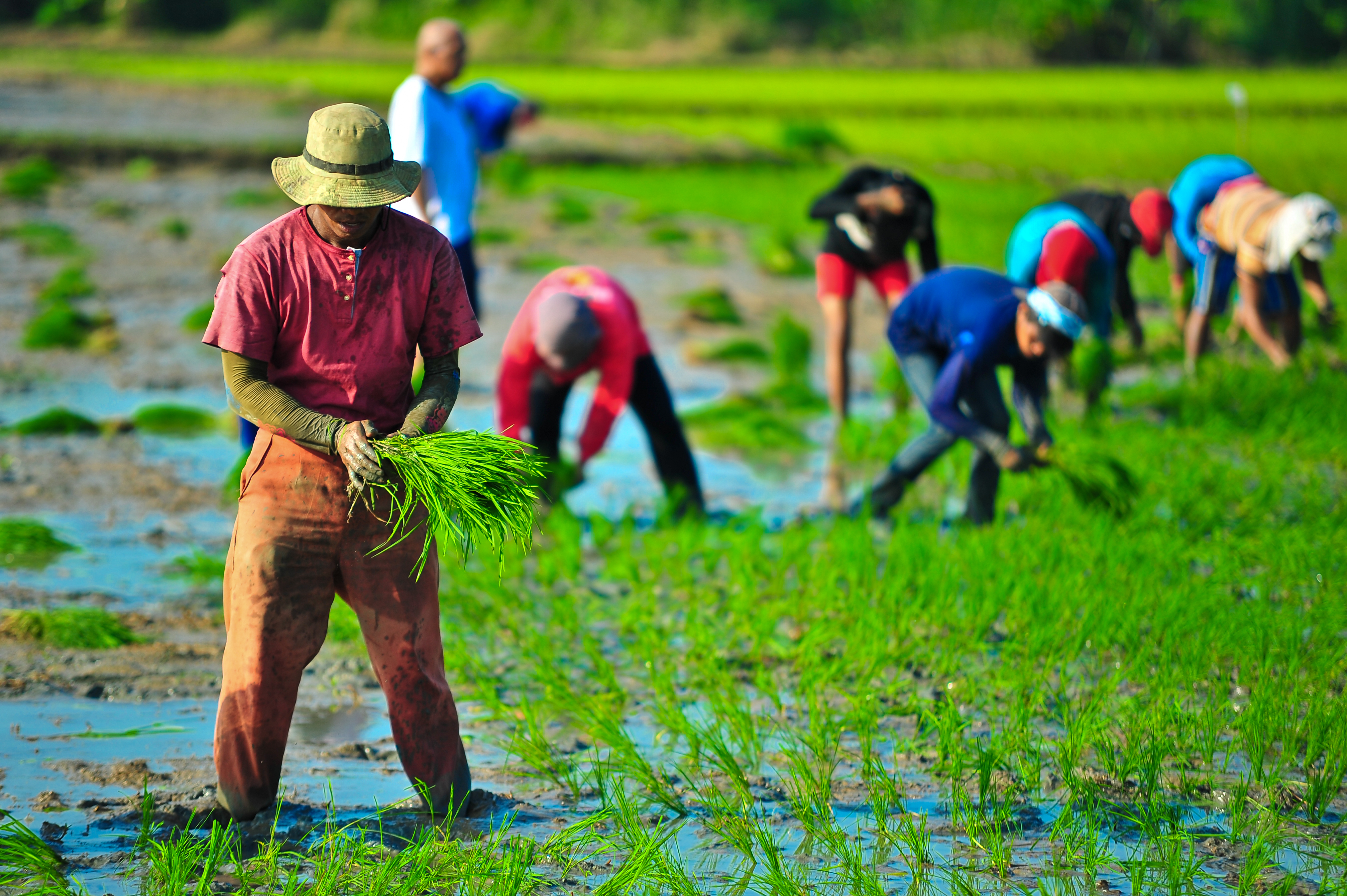

The Department of Budget and Management (DBM) has approved the release of P1.665 billion to strengthen the government’s Rice Seed Program, a key initiative aimed at improving the productivity and resilience of Filipino rice farmers.
The newly approved funds will cover the procurement, delivery, and nationwide distribution of certified inbred rice seeds for the 2026 dry planting season. The budget also includes allocations for vehicles and agricultural machinery to help ensure the efficient transport and delivery of seeds and related farm support services.
According to the DBM, the inbred certified seeds will benefit farmers across 12 regions, including Central Luzon—the country’s largest rice-producing area. The Rice Seed Program, implemented by the Department of Agriculture through the Philippine Rice Research Institute (PhilRice), focuses on developing, promoting, and distributing high-quality inbred rice varieties to boost local yields and enhance the competitiveness of Filipino rice growers.
Beyond productivity, the program also seeks to empower seed growers’ cooperatives and associations by equipping them with modern resources and training support. This enables a more sustainable and self-reliant seed production network, aligning with the government’s broader food security goals.
The DBM noted that the latest fund release is intended to help farmers secure timely access to premium seeds ahead of the 2026 planting cycle, which is expected to contribute to early planting and improved harvest outcomes.
For the current fiscal year, the 2025 General Appropriations Act earmarked P4 billion for the Rice Seed Program to support the production and distribution of over 2.5 million bags of inbred certified seeds for the wet planting season, which began in March 2025. That allocation was released through a Special Allotment Release Order (SARO) issued on May 14, 2025.
With this additional P1.665 billion boost, the DBM reaffirmed its commitment to sustaining agricultural productivity and ensuring that Filipino farmers receive consistent support as part of the government’s drive for rice self-sufficiency and national food security.