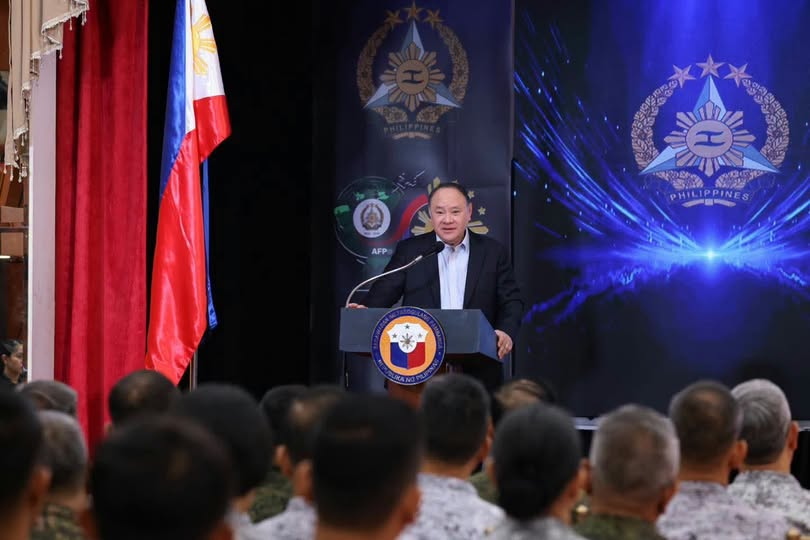

Department of Budget and Management (DBM) Secretary Kim Robert De Leon encouraged young Filipinos to actively participate in governance and nation-building, emphasizing that leadership and meaningful contributions to society do not require formal titles or government positions.
Speaking during the Youth Engagement Dialogue: Strengthening Youth Civic Spaces, Governance, and Public Accountability on November 24, 2026, De Leon highlighted the capabilities of the younger generation to drive positive change and contribute to public service.
“The fact na may 32 years old na naging secretary of the DBM, hindi ‘lang’ tayo. Hindi tayo ‘lang.’ We can do a lot. We can do so much,” De Leon said.
The budget chief urged young Filipinos to harness their energy, creativity and potential in addressing societal challenges and advancing good governance.
“And if there’s an advantage of being young, kahit puyat ka ng alas dyis, you will still be present in your 8:00 a.m. engagement the following day. Let’s use that energy,” he added.
De Leon also emphasized the importance of strengthening unity among youth organizations, warning that internal divisions and the creation of separate groups due to disagreements could make coordination and collaboration more challenging.
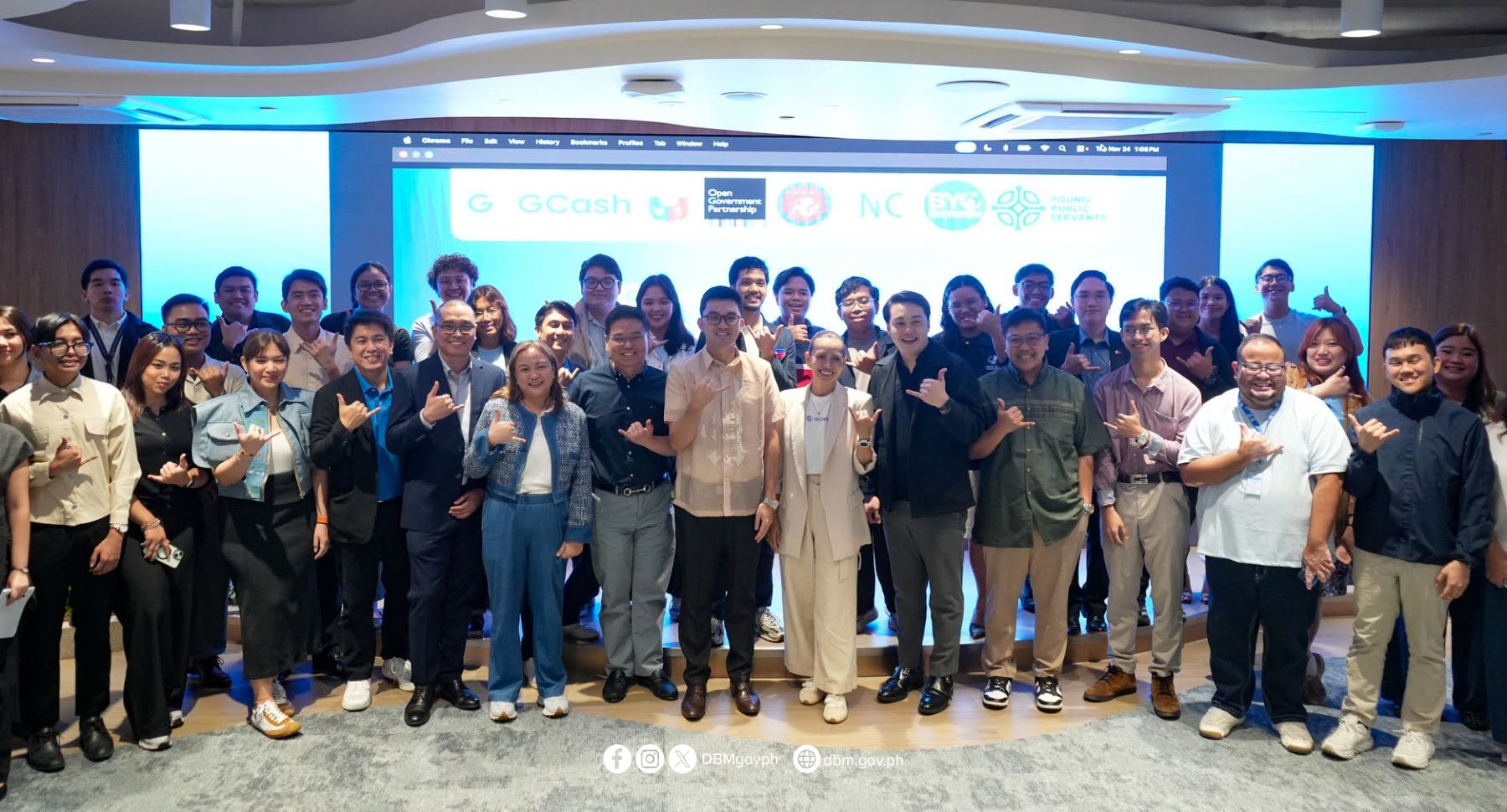
The dialogue was jointly organized by the DBM, Young Public Servants Inc. and GCash as part of the Philippine Open Government Partnership (PH-OGP) Policy Dialogue Series: Advancing Open Government Through Dialogue and Collaborative Action.
The initiative brought together representatives from government agencies, civil society organizations, academic institutions, development partners and the private sector to formulate practical and evidence-based policy recommendations.
National Youth Commission Chairperson and Chief Executive Officer Joseph Francisco Ortega and Bangsamoro Youth Commission Chairperson Nasserudin Dunding also participated in the discussions, alongside representatives from various youth organizations.
Participating organizations presented their respective initiatives and discussed the challenges they encountered in implementing programs and creating meaningful change within their communities.
The dialogue served as a platform for strengthening youth participation in policymaking, promoting public accountability and encouraging collaboration between government institutions and young leaders in advancing inclusive and participatory governance.