
DAVAO ORIENTAL – What began as a trembling beneath the ground turned into a day of fear and devastation across the province. Two major earthquakes that struck Davao Oriental on Friday left more than 70,000 families displaced, communities in ruins, and thousands seeking refuge in evacuation centers.
Provincial authorities said 70,142 families across all 10 municipalities and one city were affected by the twin tremors that hit just hours apart — the strongest of which registered magnitude 7.4 and triggered tsunami warnings along the Davao Gulf.
Waves of fear and flight
The coastal town of Governor Generoso bore the brunt of the damage, with over 20,000 families affected and more than 16,000 residents preemptively evacuated after a tsunami alert was raised. In nearby Banaybanay, more than 15,000 families were forced out of their homes, while the towns of Manay and Baganga each reported thousands of households grappling with collapsed structures and power outages.
From Cateel to Tarragona, Boston to Mati City, reports poured in of houses toppling, fissures opening across roads, and schools turned into makeshift shelters.
“This is the worst shaking we’ve felt in years,” said one resident from Manay, recalling how walls cracked and furniture tumbled as people ran for safety. “We didn’t even think about what to bring—just to survive.”

Lives lost, homes shattered
At least three people have been confirmed dead while 360 others sustained injuries ranging from minor cuts to serious fractures, according to the Davao Oriental Provincial Disaster Risk Reduction and Management Office (PDRRMO).
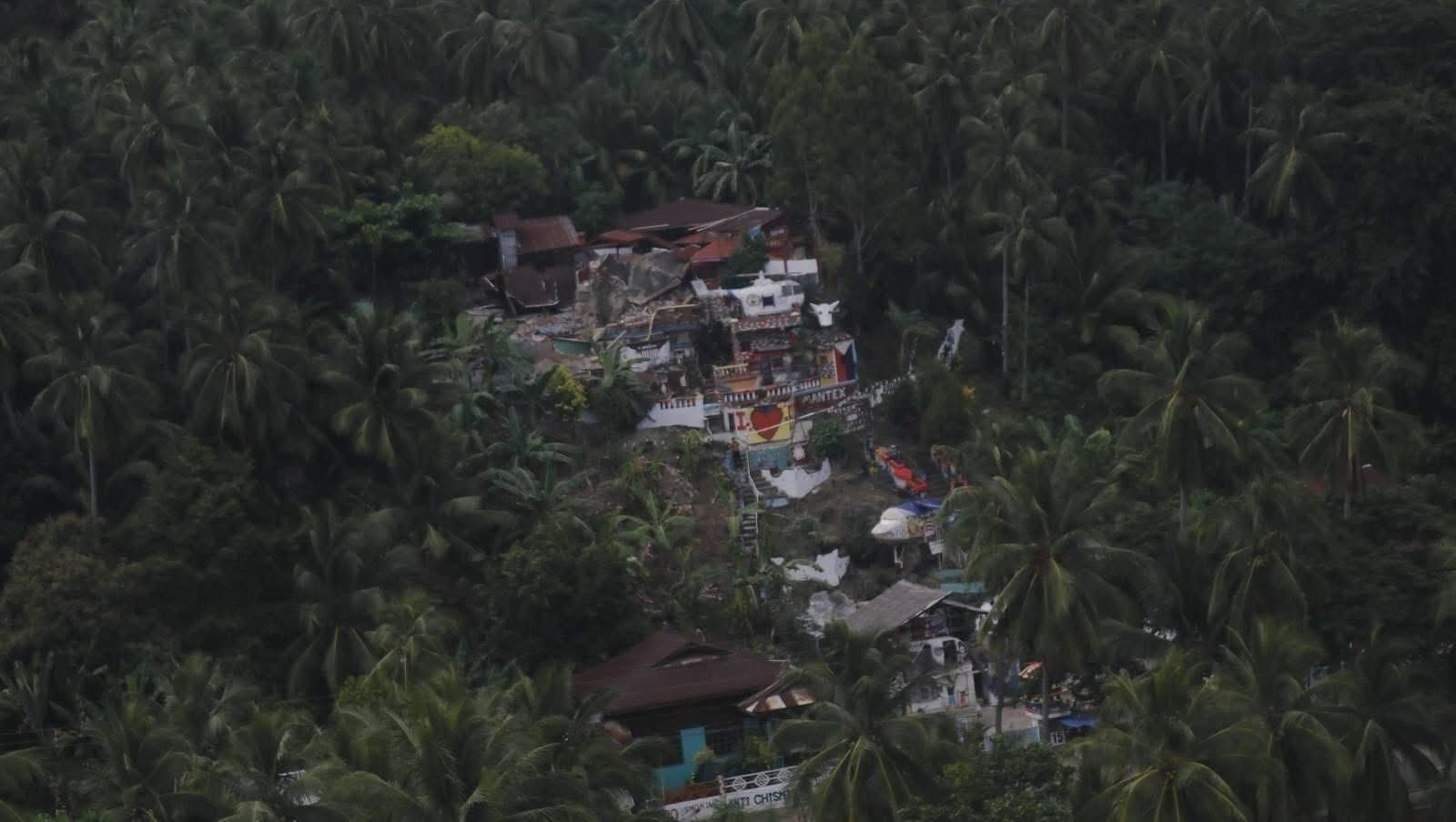
Initial assessments recorded 225 homes destroyed and 471 more partially damaged. Officials expect these numbers to rise as responders reach isolated communities still cut off by landslides and debris.
“Our teams are working round the clock to assess the full extent of the destruction and deliver aid,” said Davao Oriental Governor Niño Sotero Uy Jr. “We are focusing on rescue, relief, and restoration.”
Response and recovery
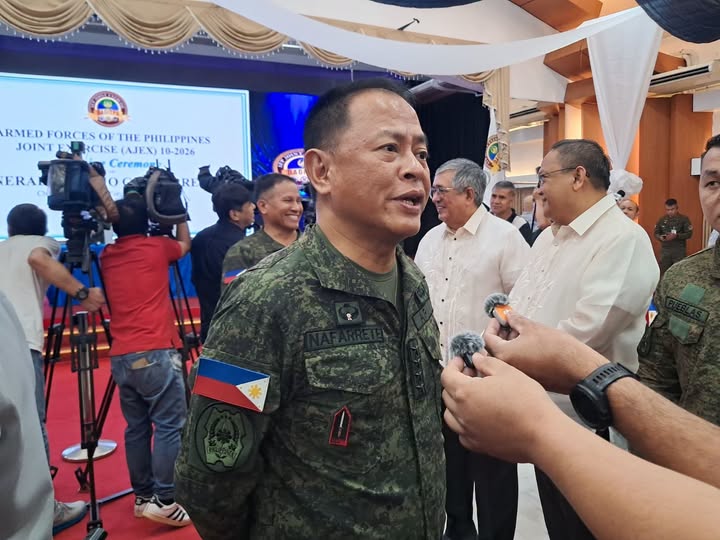
Relief efforts are now in full swing, with the Philippine Coast Guard, the Armed Forces of the Philippines, and local emergency units distributing food packs, water, and tents. Power and telecommunications remain intermittent in several municipalities, while engineers are inspecting bridges and schools for structural safety.
The Department of Social Welfare and Development (DSWD) has prepositioned supplies in Mati City, while the Department of Public Works and Highways (DPWH) is clearing blocked roads to reopen access to coastal barangays.
Experts from the Philippine Institute of Volcanology and Seismology (PHIVOLCS) have warned of continued aftershocks in the coming days.
From shaking to strength
Despite the chaos, stories of solidarity emerged. In Tarragona, church groups opened their doors to evacuees, while in Baganga, fishermen volunteered to ferry rescue teams to remote coastal areas.
As the ground continues to rumble, Davao Oriental faces not just the task of rebuilding structures—but restoring the sense of calm in a province that has endured so much.
“This is a time for unity,” said Governor Uy. “We may have been shaken, but we will not fall apart.”