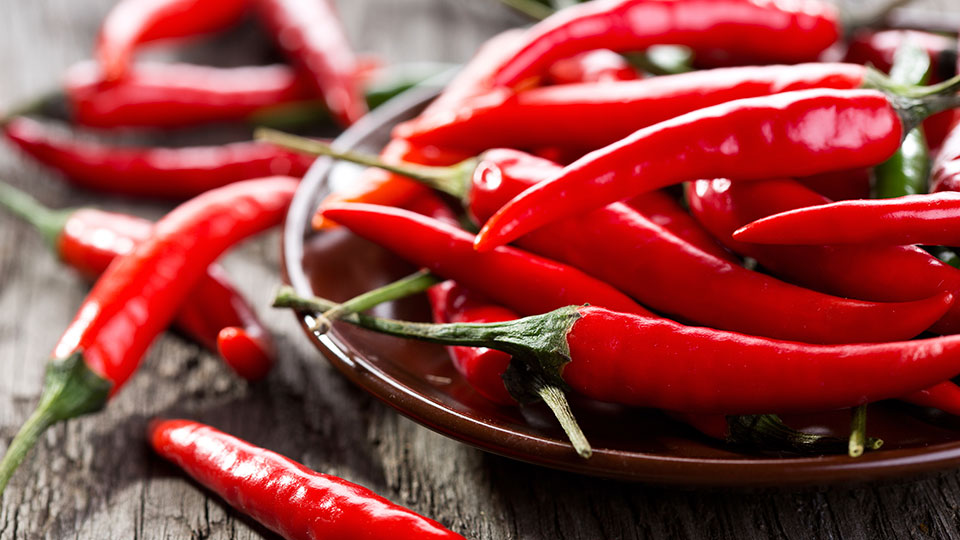
The Department of Agriculture (DA) is setting its sights on chili peppers as a priority crop for 2026, launching a comprehensive plan to shield the kitchen staple from extreme weather and prevent the drastic price surges often seen during the rainy season.
The initiative aims to bring predictability to the supply chain of chili—locally known as sili—which has historically been prone to extreme price volatility.
In September, prices for local siling labuyo spiked to as high as ₱800 per kilo following a series of typhoons that decimated local farms.
Climate-Resilient Infrastructure
To combat weather-related disruptions, the DA is promoting the construction of climate-resilient infrastructure.
This includes the use of greenhouses made from local materials and typhoon-resistant structures designed to protect crops from heavy flooding and prolonged rainfall.
“We need to know how much we consume, how much we produce, and where the gaps are,” the DA stated.
The agency noted that these figures would serve as a roadmap for scaling production and determining the exact acreage needed to meet national demand.
Expansion Through ‘Gulayan sa Bayan’
The push for chili production will be integrated into the DA’s “Gulayan sa Bayan” program, which aims to strengthen agri-entrepreneurship across 1,370 municipalities.
The program will focus on providing farmers with “clean” planting materials, including siling labuyo (bird’s eye chili), siling pansigang (long green chili), and grafted bell peppers.
By increasing local production and primary processing capabilities, the DA hopes to stabilize the market and address food inflation
caused by high-value commercial crops.
Broader 2026 Goals
Chili is being prioritized alongside munggo (mung beans) for the 2026 agricultural cycle.
While the goal for chili is price stabilization, the department is targeting a reduction in imports for mung beans.
The DA’s focus on these crops comes as other vegetables also face market pressure; bell peppers currently hover around ₱250 per kilo, while mung bean prices continue to fluctuate.
Through these strategic interventions, the department seeks to ensure that essential ingredients remain affordable for Filipino consumers regardless of the season.