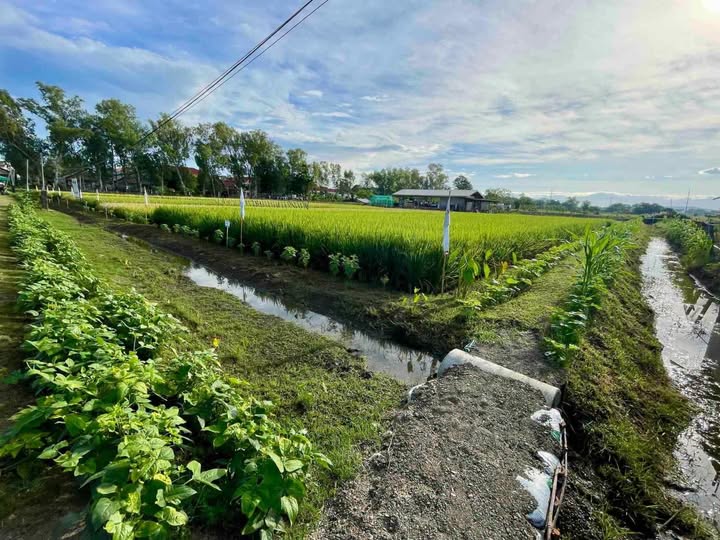

(Photo courtesy of PNA)
MANILA – The Department of Agriculture (DA) is intensifying preparations for the anticipated strong El Niño, with plans to deploy 1,000 solar-powered irrigation pumps and establish 3,000 water impounding facilities in 2027 to protect agricultural production.
During Friday’s Senate plenary budget deliberations, Senator Francis Pangilinan disclosed that the DA would also receive Php 207 million for cloud-seeding operations in drought-prone areas, including Magat, Pantabangan, and vulnerable irrigation watersheds.
“For cloud seeding, we have increased the budget of the department. Based on the requirement, PHP207 million for the Bureau of Soils and Water Management,” Pangilinan said in response to Senator Risa Hontiveros.
The cloud-seeding operations will be conducted in coordination with the Philippine Air Force, Philippine Atmospheric, Geophysical and Astronomical Services Administration (PAGASA), Civil Aviation Authority of the Philippines (CAAP), and concerned local government units.
Pangilinan said the DA also expects to establish 32 additional solar-powered cold storage facilities and 30 solar-powered irrigation systems before the end of 2026 to minimize post-harvest losses and sustain agricultural productivity.
To strengthen disaster preparedness and emergency response, the Senate doubled the DA’s Quick Response Fund (QRF) from Php 1 billion to Php 2 billion.
The National Irrigation Administration’s (NIA) QRF was likewise increased from Php 1.7 billion to Php 2.7 billion.
The Senate also allocated an additional Php 500 million for pest and disease management and restored the Philippine Crop Insurance Corporation’s budget to Php 6.5 billion from the House-approved allocation of Php 4.5 billion.
Meanwhile, the DA earmarked Php 3.74 billion for drought-resilient rice varieties, with Nueva Ecija, Isabela, and Iloilo among the priority areas for seed distribution.
Pangilinan said the department is adjusting planting calendars and prioritizing agricultural interventions in communities most vulnerable to prolonged dry conditions.
The DA earlier estimated that up to 4.6 million agricultural workers could be affected by the anticipated strong El Niño, highlighting the urgency of strengthening water security, protecting crops, and providing financial assistance to vulnerable farming communities.