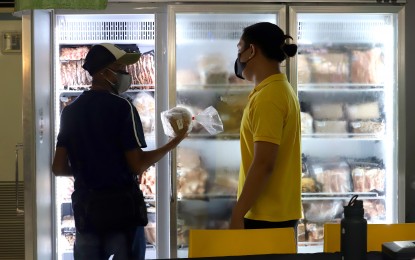
The Department of Agriculture (DA) has intensified inspections in supermarkets and wet markets across the country to ensure proper handling and labeling of frozen meat, following concerns about food safety and unfair retail practices. Agriculture Secretary Francisco Tiu Laurel Jr. ordered AMAS, BAI, and NMIS to enforce stricter compliance with storage and labeling rules. “Frozen meat must be properly labeled and stored,” he said. “Retailers cannot pass off frozen products as fresh. Food safety and fair trade are non-negotiable.”
The DA noted that some sellers continue to market frozen pork as fresh, misleading consumers and hurting legitimate retailers and local producers. The heightened surveillance aims to promote transparency, safeguard consumers, support hog raisers affected by unstable prices, and improve discipline across the supply chain.
The initiative also complements efforts to stabilize the hog industry, where farmgate prices have fallen to PHP150–PHP180 per kilo. The DA and industry groups aim to raise the minimum farmgate price to PHP210 to prevent further losses. Despite this decline, liempo still sells for around PHP400 per kilo, indicating inefficiencies or unfair pricing. The DA is also studying the reimposition of a maximum suggested retail price for pork. “Farmgate prices have dropped sharply, yet consumers haven’t felt any relief. This imbalance needs to be addressed,” Tiu Laurel said.
Industry groups—SINAG, NFHFI, and PROPORK—supported calls to restore pork import tariffs to 40 percent from the current 25 percent, saying low tariffs have led to over-importation and hurt local producers. The DA also plans to issue a circular reclassifying pork jowls to ensure proper tariff application amid rising demand from food processors and restaurants.