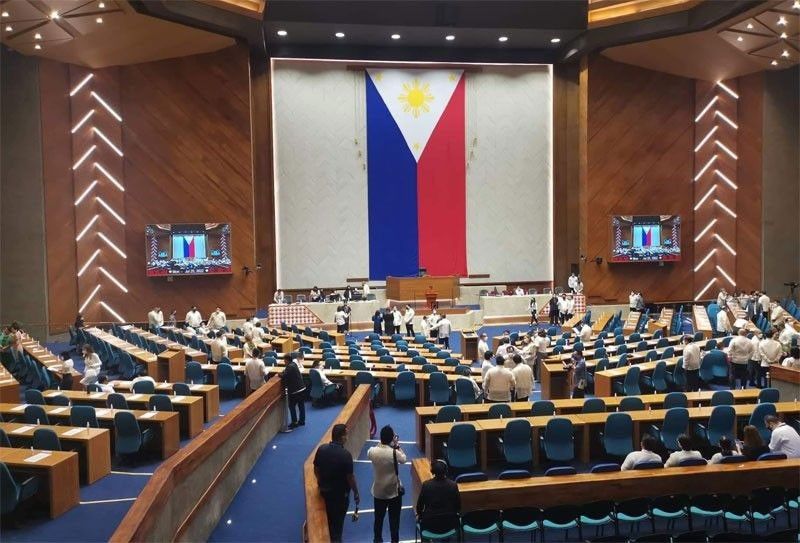
Both chambers of Congress on Monday ratified the bicameral conference committee report on the proposed ₱6.793-trillion national budget for 2026, marking the final legislative hurdle before the measure is sent to Malacañang.
The ratification occurred during separate plenary sessions on Dec. 29, following a historic process that proponents characterized as the most transparent in the country’s history.
The 2026 General Appropriations Bill (GAB) focuses heavily on human development, with record-level allocations for education, health, and agriculture.
Transparency and ‘People-Centered’ Spending
Senate Finance Committee Chairperson Sherwin Gatchalian and House Appropriations Committee Chairperson Mikaela Angela Suansing led the signing of the 4,300-page bicameral report on Sunday at the Philippine International Convention Center.
Gatchalian noted that the 2026 budget cycle was the first to feature open bicameral conference meetings, which were livestreamed to the public.
To ensure accountability, all infrastructure projects in the budget now include specific station numbers and coordinates to prevent “ghost” or anomalous projects.
“The overall direction of this budget is human development,” Gatchalian said. “We believe education, health, and agriculture are the three sectors most vital for the development of our country and economy.”
Key Allocations and Shifts
The 2026 budget includes a historic investment in education, totaling ₱1.37 trillion, or approximately 4.5% of the country’s Gross Domestic Product (GDP).
This includes ₱65.93 billion for the construction of over 24,000 classrooms and ₱28.66 billion for school-based feeding programs.
To fund these priorities, lawmakers significantly reduced the budget for the Department of Public Works and Highways (DPWH).
The agency was allocated ₱529.6 billion—nearly 40% less than the ₱881 billion originally proposed by the executive branch—following controversies regarding flood control projects and alleged overpricing.
Lightning Ratification and Minority Objections
The House of Representatives ratified the report via a viva voce (voice) vote in a session lasting less than one minute.
While the majority approved the measure, the “lightning-quick” proceedings drew criticism from members of the minority bloc who had intended to raise concerns over “unprogrammed funds” and alleged “pork barrel” insertions.
Batangas 1st District Rep. Leandro Legarda Leviste and Navotas Rep. Tobias Tiangco were among those who had called for greater disclosure of specific public works allocations before the final vote.
Next Steps
With ratification complete, the bill will be transmitted to President Ferdinand R. Marcos Jr.
While the government was initially expected to sign the budget before the year’s end, Executive Secretary Ralph Recto indicated the President is now set to sign the law in the first week of January 2026.
This timeline means the government will briefly operate under a reenacted 2025 budget for the first few days of the new year, a delay Gatchalian described as having “minimal impact” due to the holiday season.