
The government’s P20-per-kilo rice program is poised for a broader rollout in 2026, with plans to extend access beyond the poorest sectors and into households considered below the middle-income bracket, signaling a shift from targeted relief to wider food-price intervention.
Officials from the National Food Authority confirmed that beginning January next year, the subsidized rice initiative will no longer be limited to the most vulnerable groups.
While beneficiaries such as 4Ps households, senior citizens, persons with disabilities, minimum wage earners, transport workers, farmers, and fisherfolk will continue to be prioritized, lower middle-income families are set to be added to the list.
The expansion forms part of the Marcos administration’s broader food-security agenda, with the Department of Agriculture aiming to scale the program to cover as many as 15 million households throughout 2026.
According to NFA Administrator Larry Lacson, the move reflects the reality that rising food costs have strained not only the poorest Filipinos, but also families who earn just enough to fall outside traditional aid programs.
To define who qualifies as “below middle-income,” an interagency technical working group is now crafting eligibility guidelines. Data from the Philippine Statistics Authority will be cross-checked with records from the Social Security System and the Department of Education to establish income thresholds and household profiles.
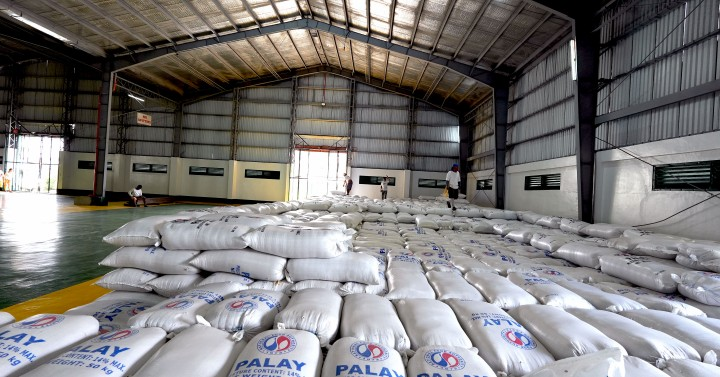
Supply, officials say, will not be a constraint in the early months of the expanded rollout. The NFA currently holds around 2.2 million bags of rice in its warehouses, all procured directly from local farmers. These stocks are expected to sustain distribution through January and February, just ahead of the next harvest season, when additional palay purchases are anticipated.
Under the subsidy scheme, rice is bought from the NFA at P33 per kilo and sold to consumers at P20. The P13 price gap is shared equally by the national government and local government units, with logistical support coursed through Food Terminal Inc.
By widening the program’s coverage, the administration is effectively reframing the P20 rice initiative from a narrowly targeted safety net into a broader buffer against food inflation.
For families caught between eligibility lines yet struggling with daily costs, the expansion offers not just cheaper rice, but a measure of breathing room in an economy where staple prices remain a constant concern.