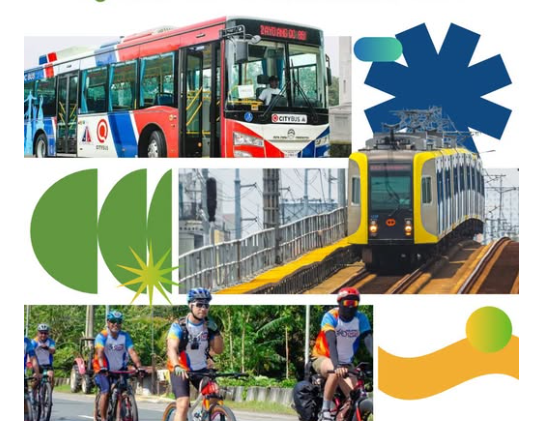

The Climate Change Commission (CCC) called for an accelerated transition to low-carbon and sustainable transportation systems to reduce greenhouse gas emissions, improve air quality and strengthen the climate resilience of communities across the Philippines.
Marking World Sustainable Transport Day on Thursday, November 26, the commission emphasized the need for greater investments in cleaner mobility solutions, efficient public transportation and climate-resilient infrastructure.
Based on the 2020 National Greenhouse Gas Inventory, the transportation sector accounted for approximately 29.43 million metric tons of carbon dioxide equivalent in greenhouse gas emissions, highlighting the urgency of shifting toward more sustainable mobility systems.
Transportation is among the six sectors covered by the country’s 2026 Nationally Determined Contribution (NDC), which sets an economy-wide target of 75 percent net greenhouse gas emissions reduction and avoidance against projected cumulative business-as-usual emissions from 2025 to 2035.
CCC Vice Chairperson and Executive Director Robert Borje said transforming the transportation sector was essential to achieving the country’s climate commitments.
“Decarbonizing the transport sector must be a central part of our climate response. Achieving our climate ambitions requires transforming not only the technologies we use, but also the systems that enable people and goods to move. Sustainable transport must be accessible, affordable, and inclusive, ensuring that the transition to low-carbon mobility benefits all Filipinos,” Borje said.
The commission identified efficient public transportation, electric mobility, walking and cycling infrastructure, and improved connectivity among different modes of transport as key solutions to reducing emissions and improving public health.
Borje also emphasized the importance of collaboration among government agencies, private sector stakeholders and communities in making sustainable transportation more accessible.
“The transition to sustainable transportation cannot rest on individual choices alone. It requires coordinated action, enabling policies, and investments in public transport and infrastructure to make cleaner and more efficient mobility options a practical choice for every Filipino,” he said.
Beyond reducing emissions, the CCC stressed the importance of developing transportation infrastructure capable of withstanding climate-related hazards and maintaining connectivity during extreme weather events.
The country’s National Adaptation Plan (NAP) 2023–2050 identifies transportation as a priority sector for climate adaptation, emphasizing the protection of critical infrastructure and continuity of essential mobility services.
Through the NDC and NAP, the Philippines is pursuing complementary strategies to reduce transportation-related emissions while strengthening infrastructure resilience.
The United Nations General Assembly designated November 26 as World Sustainable Transport Day to promote safe, affordable, accessible, efficient and environmentally sustainable transportation systems as essential components of sustainable development.