
The Catholic Church is preparing to step back into the national public square on November 23, launching a nationwide appeal that blends spiritual observance with civic action. What would normally be a solemn celebration of the centennial Feast of Christ the King is being reshaped into a collective moment of conscience, as church leaders call on the faithful to confront what they describe as a worsening culture of impunity in the country.
Fr. Robert Reyes, who helps lead the Clergy for Good Governance, said the Church has instructed parishes to weave today’s political and social anxieties into their liturgical celebrations. It marks a noticeable shift in tone: rather than limiting its role to pastoral guidance, the clergy is openly encouraging Filipinos to confront the systemic failures they witness daily.
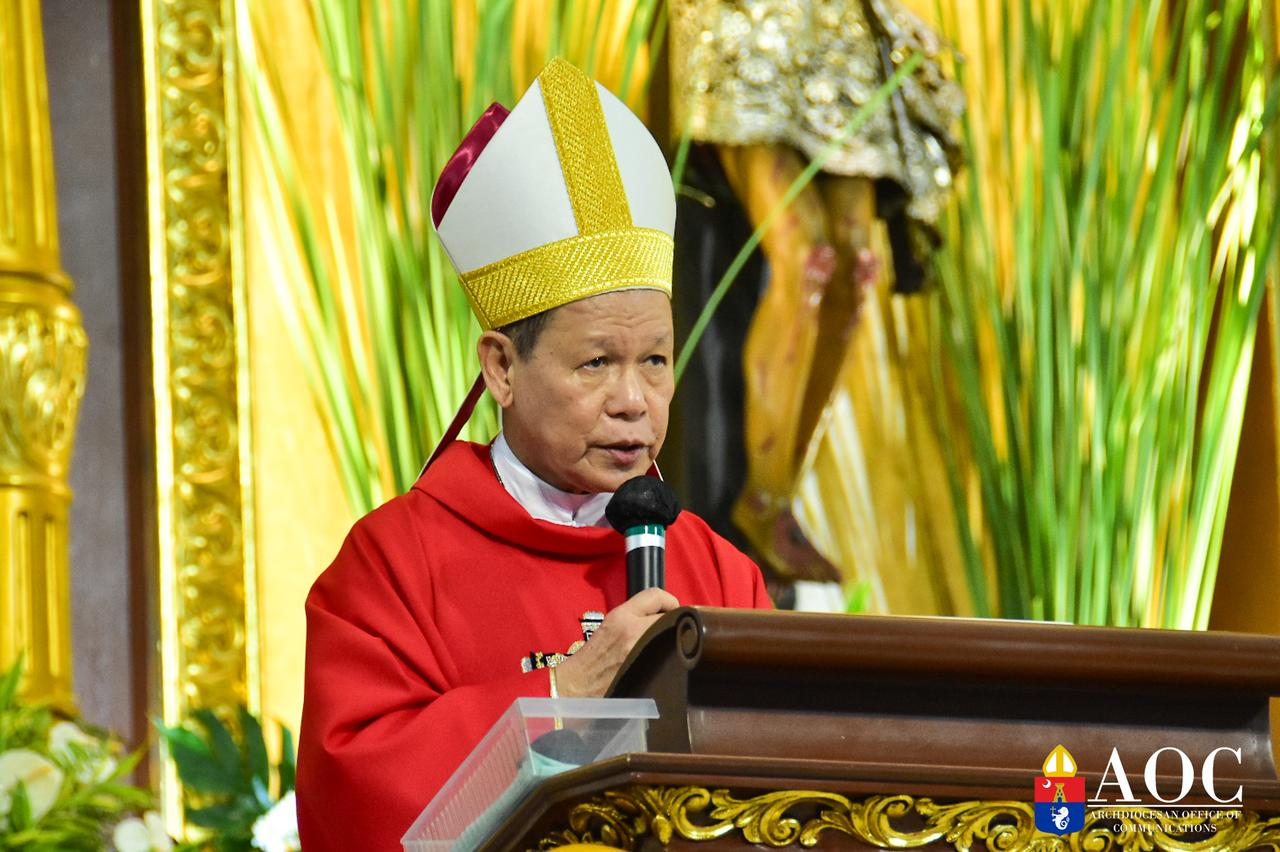
The central gathering will be held at the EDSA Shrine, beginning with a short procession at 2 p.m. and culminating in a Mass presided over by Cardinal Pablo Virgilio David. Dioceses nationwide are expected to mirror the same message, creating what organizers describe not as a protest, but a synchronized moral reflection happening in many corners of the country at once.
Reyes said the Church cannot stand by quietly while communities struggle with corruption that has seeped into public life. He described the movement as “situational and real,” underscoring that it is far from a symbolic event and instead reflects an urgent moral duty.
The Nov. 23 gathering also builds momentum for the Trillion Peso March on November 30, which aims to bring together a broad coalition demanding accountability for alleged misuse of public funds. Organizers, including Akbayan president Rafaela David, said more than 200 groups have joined the effort, all rallying around the shared belief that corruption thrives under entrenched political dynasties and a culture of theatrical governance.
David lamented that politics has been reduced to entertainment, saying public institutions have become staging grounds for family rivalries and personal drama. She argued that restoring dignity to government requires breaking the cycles that allow only a handful of families to shape national decisions.
Cardinal David, who leads the Catholic Bishops’ Conference of the Philippines, urged citizens to act like “antibodies” defending the nation from what he called the “cancer of corruption.” He emphasized that without accountability, no reforms will succeed and no administration—present or future—can regain the public’s trust.
Other Church leaders also pushed back against attempts to weaponize public anger for political gain. Several clerics warned that while they support the call for accountability, they reject efforts to turn the crisis into an excuse for unconstitutional shortcuts or leadership power plays. They insist the moral campaign is about strengthening democratic institutions, not destabilizing them.
Msgr. Manny Gabriel of the Clergy for Good Governance said the Church will not allow the movement to be used to justify a junta, a revolutionary government, or any form of selective justice. He stressed that genuine reform happens through transparency and the rule of law, not through dramatic political spectacles.
As the country heads into a week marked by both religious observance and public protest, the Church is positioning itself once again as a guardian of conscience—a role it has historically assumed during moments of national crisis. Whether this renewed moral front translates into concrete reform remains uncertain, but what is clear is that the clergy intends to reassert its voice at a time when many Filipinos feel institutions are wavering.