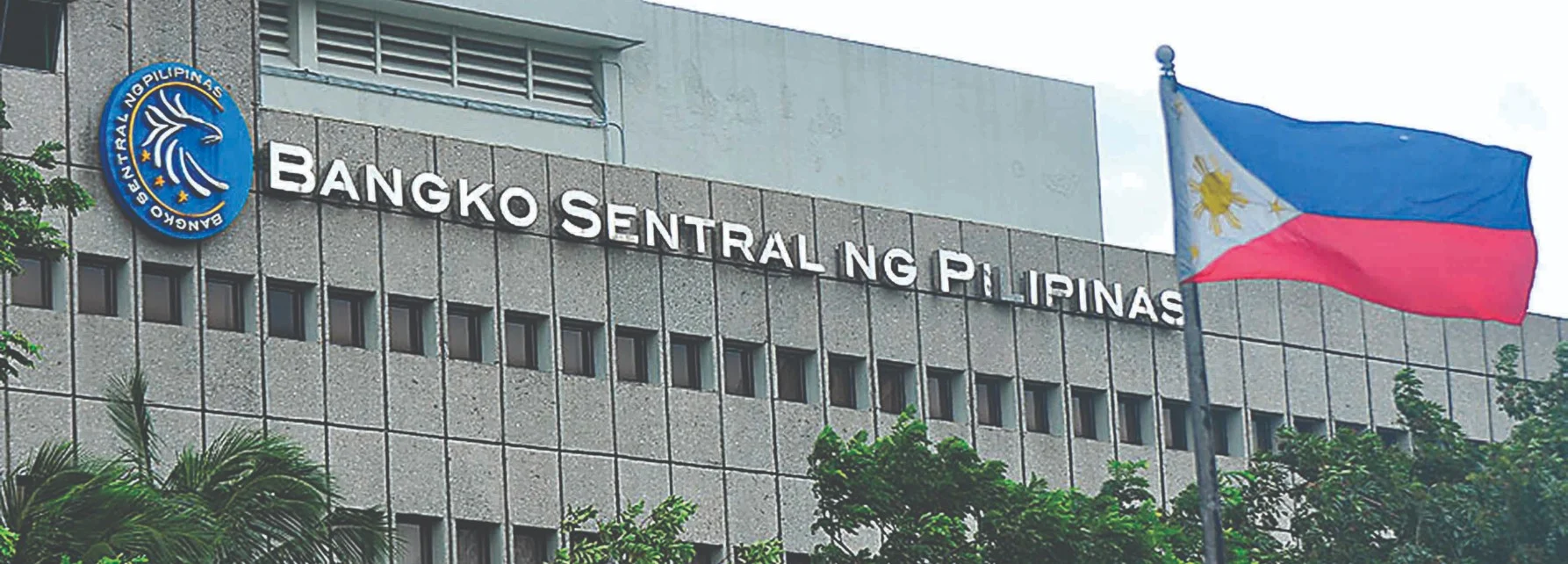

Expect tighter, more streamlined rules for digital banking in the Philippines before the year ends.
Bangko Sentral ng Pilipinas (BSP) Deputy Governor Chuchi Fonacier announced Tuesday that the central bank is set to release enhanced digitalization guidelines aimed at ensuring fair competition among financial institutions as the country continues its shift to digital banking.
Speaking at the Chamber of Thrift Banks (CTB) convention in Makati City, Fonacier highlighted the rapid rise of digital adoption across the banking sector, noting that more institutions are embracing electronic platforms to improve services and reach more Filipinos.
According to BSP data, 73.2% of the country’s 41 thrift banks now hold electronic payment and financial services (ePFS) licenses. Nearly half offer InstaPay (48.8%) and PESONet (43.9%)—two of the central bank’s flagship fund transfer services under its National Retail Payment System (NRPS).
Fonacier said the BSP is working to develop new indicators that will measure just how “digitally centric” a bank is. This assessment will be key in applying appropriate regulatory requirements—especially as more traditional banks evolve to operate similarly to fully digital banks.
“This approach promotes a level playing field and ensures consistent application of rules between purely digital banks and those shifting heavily to digital services,” she explained.
On the sidelines of the event, Fonacier also revealed that banks diving deeper into digitalization will likely be subject to higher capital requirements. These proposed changes are still under review by the Monetary Board.
Currently, there are six licensed digital banks in the Philippines. The BSP has paused issuing new digital banking licenses, maintaining a cautious stance while monitoring the performance of current players.
Under existing rules, digital banks—defined as fully online financial institutions with no physical branches—must maintain a minimum capitalization of PHP 1 billion.
As more banks embrace digital transformation, the BSP’s new guidelines are expected to define the future of banking in the country, ensuring both innovation and stability go hand in hand.