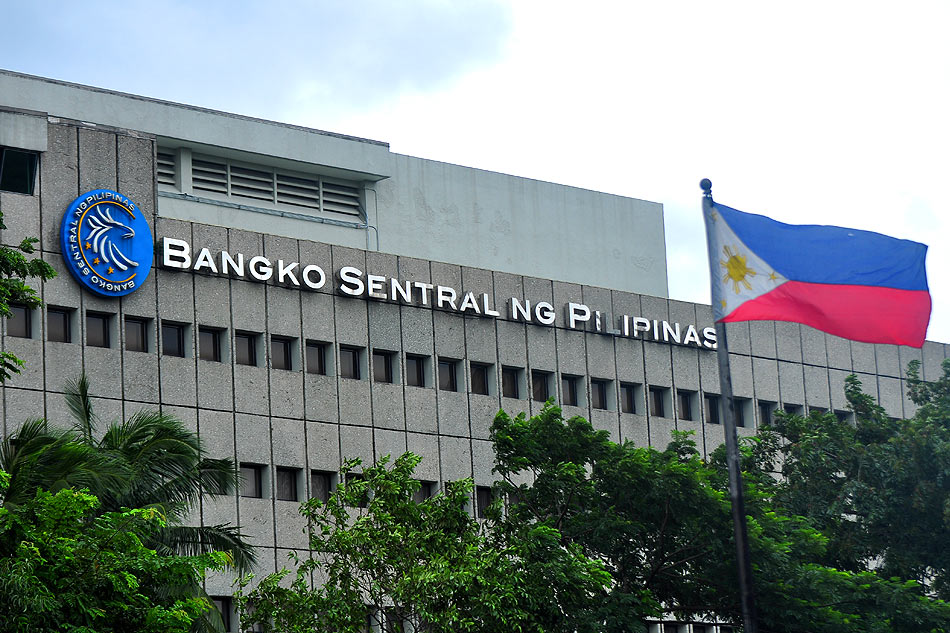

The Bangko Sentral ng Pilipinas has renewed its warning to the public against individuals and groups falsely using the central bank’s name to lure victims into fraudulent financial transactions, amid a steady rise in scam-related complaints.
Bangko Sentral ng Pilipinas stressed that none of its offices or personnel conduct, process, or facilitate personal financial transactions for the public, including deposits, withdrawals, or fund transfers involving personal accounts. Any claim suggesting otherwise, the BSP said, should immediately raise red flags.
The central bank urged the public to be wary of impostors presenting themselves as BSP employees or as representatives of offices that supposedly handle complaints involving banks, e-money issuers, or other supervised financial institutions.
According to the BSP, while it provides assistance to consumers with concerns against BSP-supervised institutions, this is done strictly through formal channels and never involves handling money or accessing personal accounts.
Authorities noted that scammers often back up their claims with falsified documents bearing the BSP’s name and logo, or by sending deceptive emails, text messages, and phone calls. In many cases, fraudsters promise to open personal financial accounts for victims or demand sensitive information such as bank details, passwords, or one-time PINs, usually coupled with requests for advance payments and an artificial sense of urgency.
The BSP emphasized that it will never ask the public to transfer funds or make payments for so-called anti-money laundering clearances, taxes, insurance, or other fabricated charges, stressing that these are common tactics used by scammers to pressure victims into quick decisions.
To protect themselves, the public is advised to ignore unsolicited claims of affiliation with the BSP, refrain from sharing personal or financial information, and avoid clicking links sent through SMS, email, or messaging apps.
Under existing BSP regulations, banks are prohibited from sending clickable links, making any such message a likely phishing attempt.
Suspected scam incidents should be reported immediately to the BSP through bspmail@bsp.gov.ph or via its official hotline at (+632) 8811-1277 or 8811-1BSP. Individuals who believe their accounts may have been compromised are urged to contact their bank or e-money issuer without delay using official contact channels.
The public may also coordinate with law enforcement agencies by reporting scammers to the Philippine National Police and the National Bureau of Investigation through their respective official websites, as authorities continue to step up efforts to curb financial fraud and protect consumers.