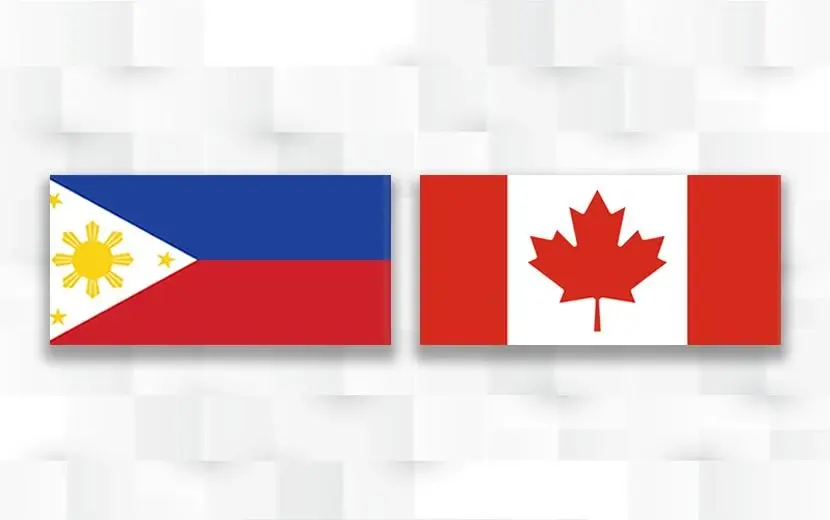

MANILA, Philippines – The Board of Investments (BOI) is aiming to position Canada among the Philippines’ 10 largest trading partners within the next three years, following the conclusion of negotiations on the ASEAN-Canada Free Trade Agreement (FTA).
BOI Managing Head Ceferino Rodolfo said stronger trade and investment cooperation could increase bilateral trade to approximately Php 100 billion over the next three years.
Government data showed that Canada ranked as the Philippines’ 16th largest trading partner in 2025, its 15th biggest export market and 20th largest source of imports.
“With close collaboration with our Canadian counterparts in promoting the utilization of the FTA, not just for trade but equally important for investments, we hope that Canada, within the next three years, will be part of the top 10,” Rodolfo told reporters Sunday evening following the Canada-ASEAN Business Forum in Parañaque City.
He identified critical minerals, clean energy, advanced manufacturing, food security and digital services as priority sectors expected to benefit from the trade agreement.
Rodolfo said renewable energy investments would remain an important driver of investment approvals, with the government seeking to attract more Canadian companies and financial institutions into the Philippine energy sector.
He also highlighted opportunities to secure funding from Canadian pension funds and private equity firms for major development and infrastructure projects.
“And in particular, we are also looking at attracting Canada funding like, for example, their pension funds, private equity funds, to participate in projects here,” Rodolfo said.
The BOI chief noted that Canada has considerable expertise in pension fund management, which could support long-term investment opportunities in the Philippines.
Philippine mango exports mark trade milestone
Rodolfo also cited the first commercial shipment of fresh Philippine mangoes to Canada as a significant development in bilateral agricultural trade.
Although the shipment consisted of only one metric ton of mangoes, he said it demonstrated how international trade creates opportunities across the agricultural supply chain.
“On paper, it was one metric ton of mangoes. In reality, it represented the Filipino farmer who nurtured the fruit, the exporter who brought it to market, the airline that transported it, the logistics provider who moved it, the retailer who placed it on store shelves, and ultimately, the Canadian family enjoying one of the world’s finest fruits,” Rodolfo said.
“Trade is not about containers. Trade is about people,” he added.
The BOI expects the ASEAN-Canada FTA to provide additional opportunities for Philippine exporters, investors and businesses seeking to expand their presence in the Canadian market.
Rodolfo emphasized that sustained cooperation between the two countries would be essential to translating the agreement into increased trade, investment and economic opportunities.