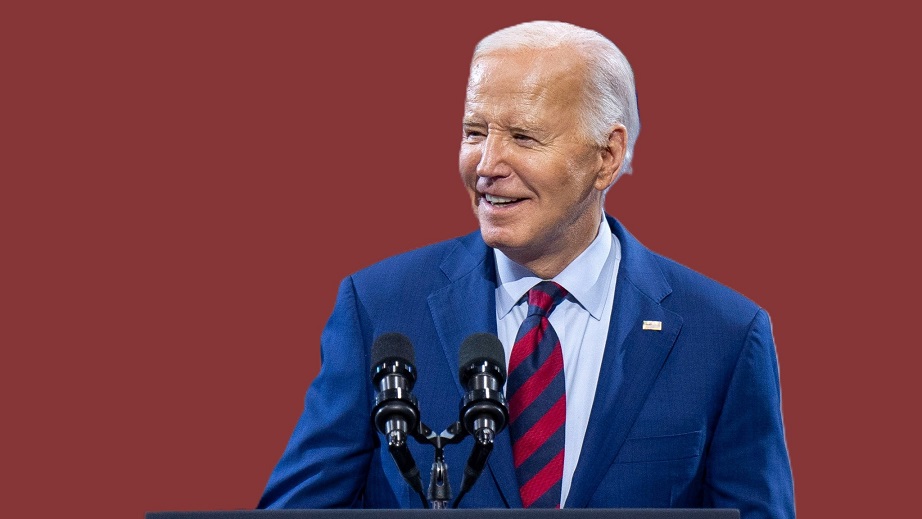
President Joe Biden informed Congress on Tuesday that his administration would remove Cuba from the U.S. list of state sponsors of terrorism, a move aimed at securing the release of political prisoners in Cuba and individuals deemed unjustly detained by the government in Havana.
The White House said the decision was part of an agreement with the Cuban government.
Senior Biden administration officials, speaking to reporters on a call, explained that the change followed a comprehensive review. They concluded that there is “no credible evidence” suggesting Cuba is currently supporting international terrorism.
This action reverses a decision by former president Donald Trump, who in January 2021 reinstated Cuba’s designation as a state sponsor of terrorism. Trump made this move in the final days of his presidency, undoing the efforts of president Barack Obama, who had lifted the designation during his second term in office.
The Biden administration expects Cuba to release “many dozens” of prisoners before Trump is set to be inaugurated again on January 20.
In a separate action on Tuesday, Biden signed a national security memorandum rescinding a 2017 policy imposed by Trump, known as “National Security Presidential Memorandum 5.” This effectively lifts restrictions on certain Cuban individuals and entities conducting financial transactions with U.S. persons and businesses.
Additionally, to further encourage Cuba to release prisoners, the Biden administration issued a six-month waiver for Title III of the Helms-Burton Act. This waiver blocks U.S. nationals or others from pursuing claims in U.S. courts over property seized by the Cuban government after the 1959 Cuban Revolution.
White House press secretary Karine Jean-Pierre noted that the Catholic Church, under the leadership of Pope Francis, played a role in facilitating the deal to release prisoners. Biden recently awarded Pope Francis the Presidential Medal of Freedom.

