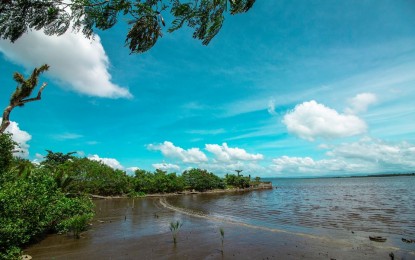
The Bureau of Fisheries and Aquatic Resources (BFAR) has issued a warning against consuming shellfish harvested from Cancabato Bay after laboratory tests revealed the presence of red tide toxins in filtered water samples.
In an advisory released on Monday, BFAR confirmed that paralytic shellfish toxin was detected during examinations conducted by the BFAR regional office. The bureau advised the public to refrain from gathering, selling, and consuming all types of shellfish, as well as Acetes sp., locally known as Alamang or Hipon, from this bay.
Cancabato Bay is known for shipping cockle clams to markets in Taiwan and Hong Kong. BFAR’s testing indicated that shellfish samples from the bay exceeded the maximum regulatory limit of 60 micrograms of toxins per 100 grams of shellfish meat, prompting a strict prohibition on shellfish harvesting in affected areas.
Additionally, BFAR had previously raised a local red tide warning for Irong-Irong Bay in Catbalogan City, Samar, where seawater samples also tested positive for red tide toxins. Matarinao Bay in Eastern Samar is the only area in the region currently included in the national shellfish bulletin, as meat samples collected there also confirmed the presence of red tide toxins based on tests conducted by the BFAR central office.
The bureau attributed the occurrence of red tide in the region to changing weather patterns. However, fish, squid, crab, and shrimp harvested from affected bays remain safe to eat, provided that all entrails are removed and the marine products are thoroughly washed with running water before cooking.
While the shellfish ban has been lifted in many areas of the region, monitoring efforts will continue to check for potential recurrences of red tide. Regular water sample checks are being conducted in coastal waters of Daram and Zumarraga, Cambatutay, Maqueda, and Villareal Bays in Samar; coastal waters of Guiuan in Eastern Samar; San Pedro Bay in Samar; coastal waters of Leyte, including Calubian, Ormoc, Sogod, and Carigara Bay; and coastal waters of Biliran Island, all of which have a history of red tide occurrences.
BFAR is committed to regularly analyzing water samples through its regional laboratory to ensure the safety of shellfish gathered from these areas for human consumption. If seawater tests positive for red tide, BFAR collects and sends shellfish meat to their national laboratory for comprehensive analysis.
“Red tide” refers to a phenomenon where water is discolored due to high algal biomass or the concentration of algae.