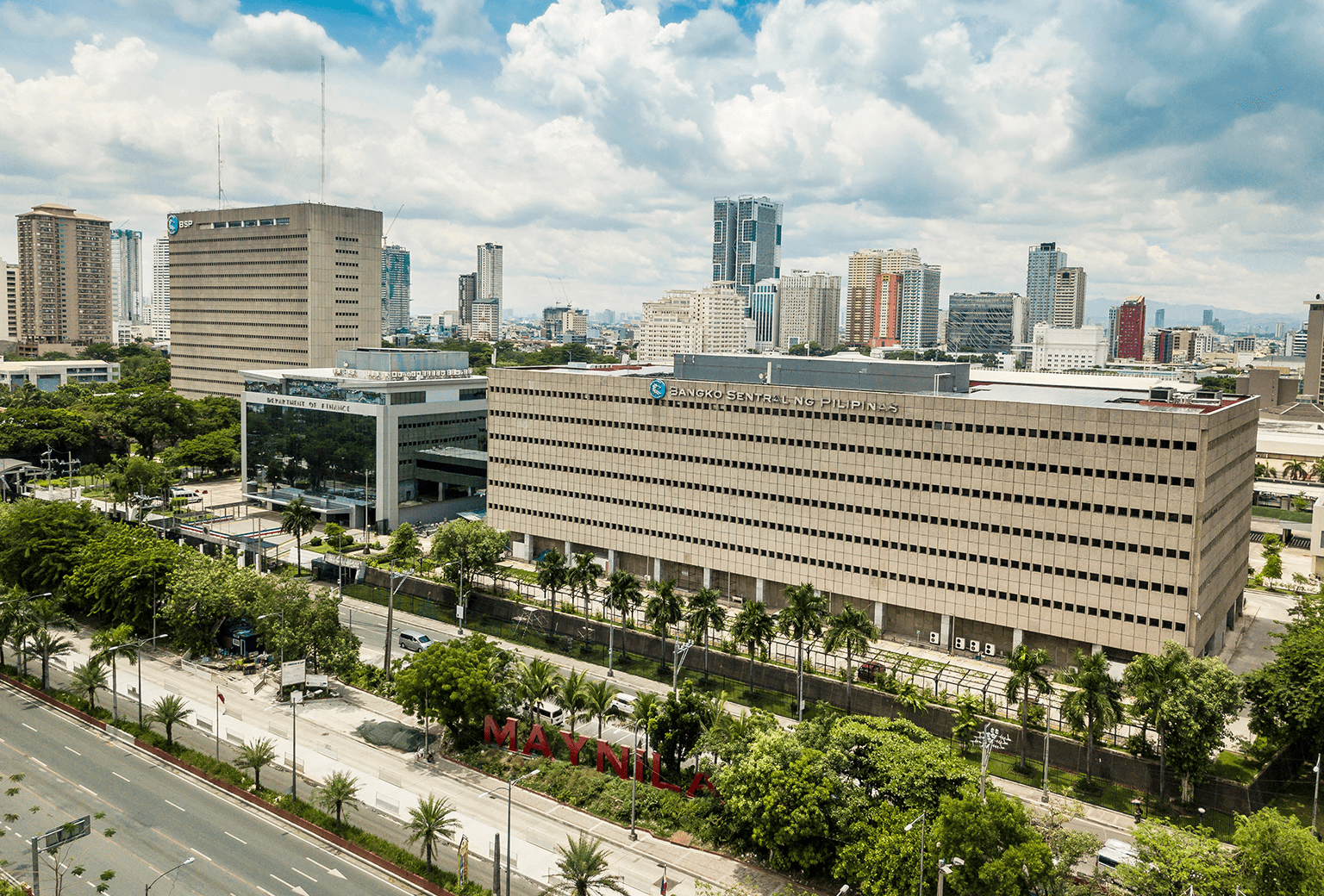

Philippine banks are entering the first quarter of 2026 with a cautious but steady hand on credit, choosing stability in lending standards even as loan demand begins to show clearer signs of recovery, according to the Bangko Sentral ng Pilipinas’ latest Senior Bank Loan Officers’ Survey.
Nearly nine in ten banks, or 87.7 percent, said they plan to keep credit standards for business loans unchanged in the first quarter, a slight increase from the previous quarter. Only a small fraction expect to ease lending, while just over one in ten anticipate tighter standards.
The picture is broadly similar for household loans, where 79.5 percent of banks expect to maintain existing credit rules, although this represents a modest decline from the prior quarter as more lenders signal possible adjustments.
Despite the overall bias toward stability, the survey shows that banks leaning toward change are still more inclined to tighten rather than loosen credit. On a net basis, 8.8 percent of banks expect tighter standards for enterprise loans in the first quarter, while net tightening for household loans stands at 5.1 percent.
Both figures, however, are notably lower than the net tightening expectations seen in late 2025, suggesting that credit conditions may be approaching a turning point rather than continuing to restrict further.
While banks remain conservative on standards, demand for loans is beginning to stir. For business borrowing, 70.2 percent of banks expect demand to remain steady, but this is a sharp drop from more than 80 percent in the previous quarter.
At the same time, the share of banks expecting higher business loan demand has doubled to 28.1 percent, pointing to improving confidence among firms. Only a small portion foresee a decline in demand, fewer than in the previous quarter.
A similar pattern is emerging in household lending. About 61.5 percent of banks see household loan demand holding steady in the first quarter, while nearly a third expect demand to rise. Fewer banks now anticipate a drop in household borrowing, reinforcing signs that consumer appetite for credit may be gradually strengthening.
The survey results reflect a banking sector that remains vigilant amid lingering uncertainties, but is increasingly attentive to improving credit demand from both businesses and households. With expectations of tighter standards easing and more banks reporting stronger loan demand, early 2026 could mark a period of cautious normalization rather than retrenchment in Philippine credit markets.
The survey covered senior loan officers from 58 universal and commercial banks, thrift banks, and rural banks nationwide, offering a broad snapshot of lending sentiment across the financial system.