
Former President Rodrigo Duterte faces deepening international isolation as Australia declines to host him during his bid for interim release from the ICC. Once a polarizing but influential figure, Duterte now struggles to find diplomatic allies amid mounting legal pressure.
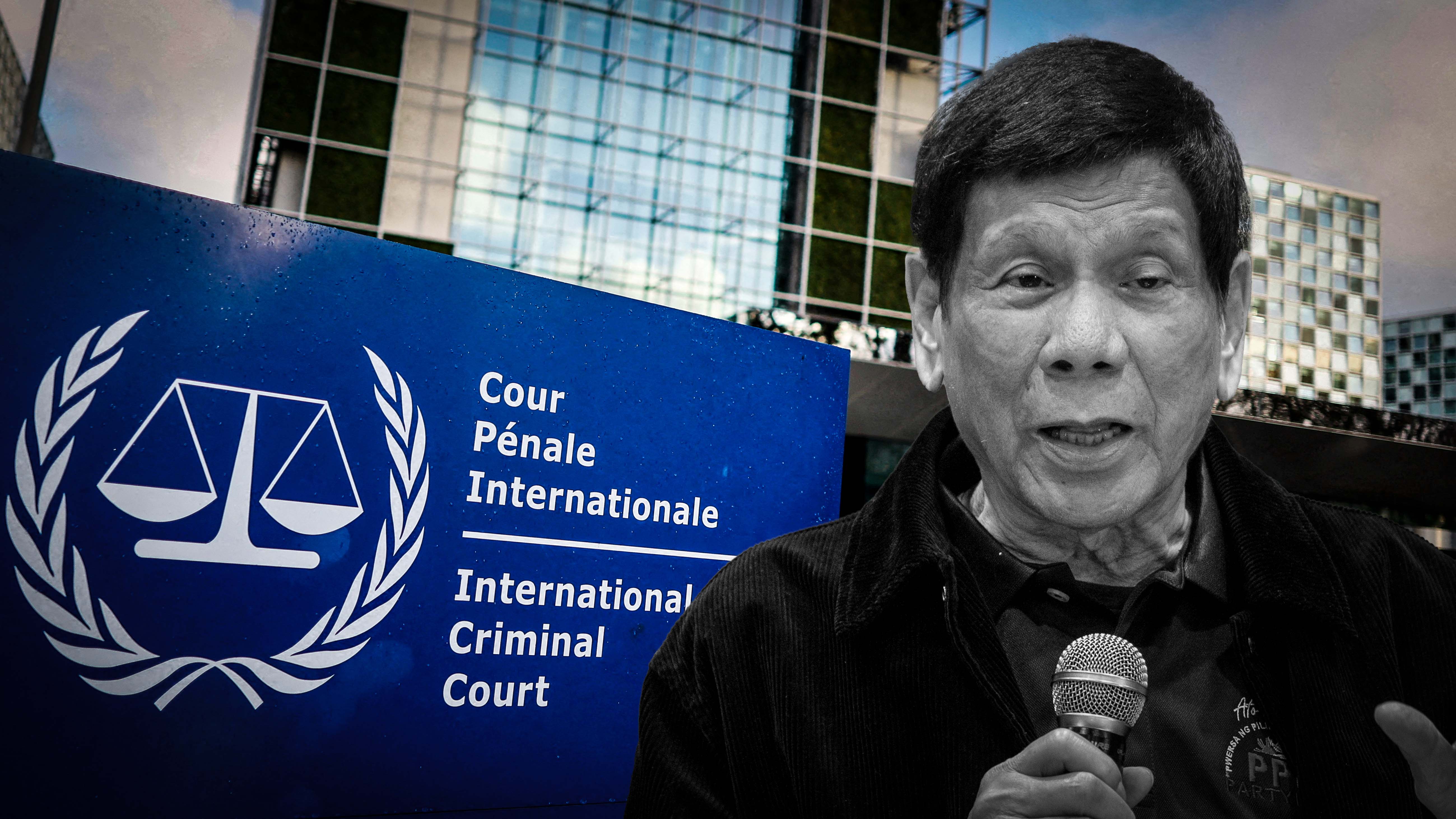
Australia has declined to offer sanctuary—temporary or otherwise—to former Philippine President Rodrigo Duterte, whose legal team is seeking interim release from the International Criminal Court (ICC) while facing investigation for alleged crimes against humanity over his brutal drug war
Duterte’s lawyers filed a petition on June 12 requesting provisional release from the ICC detention center in The Hague. The motion claimed that an unnamed third country had agreed to host the former leader under the court’s imposed conditions. While the filing keeps the identity of the potential host state under wraps, Vice President Sara Duterte hinted in a public interview that Australia was one of the options being considered.
However, Australia has flatly rejected the idea.
Reports said the Australian government is not entertaining Duterte’s interim stay and does not plan to engage further on the matter. While Australia is a signatory to the Rome Statute—which governs the ICC—it maintains that decisions regarding provisional release lie strictly within the court’s jurisdiction.
Duterte’s legal team appears to be shopping for a willing host nation, and Vice President Sara Duterte has been actively involved in these efforts. Speaking in Melbourne on June 22, the vice president said that one of two countries listed in the petition had signaled openness to receiving her father. She did not confirm whether that country was Australia.
Attempting to build diplomatic rapport, Sara Duterte also disclosed she reached out—informally—to Australian Foreign Minister Penny Wong during her trip. She hoped for a short, casual meeting, having previously met Wong during the latter’s visit to Manila. However, Wong was unavailable due to prior engagements, a clear sign that the Australian government is unwilling to be drawn into Duterte’s ICC case or its related diplomatic overtures.
Complicating matters, the ICC prosecution remains skeptical of Duterte’s interim release, questioning whether the proposed host country can uphold the court’s strict conditions. The prosecution pointed to the nation’s lack of a “history of cooperation” with the ICC, suggesting risks in enforcement and oversight.
The Duterte camp has yet to disclose which nation may be willing to take him in. For now, it’s clear that Australia is not willing to play host in what is shaping up to be one of the most politically charged legal sagas in Southeast Asian history.
Duterte’s international isolation deepens
This development highlights more than just Australia’s decision—it reflects the growing diplomatic cold shoulder faced by Duterte as the international community distances itself from the embattled ex-president.
Once praised by some for his populist appeal and anti-drug campaign, Duterte now finds himself politically untouchable, even among regional allies. With the ICC case looming and potential host nations scarce, his options for freedom—temporary or otherwise—are narrowing.