
(Photo courtesy of PNA)
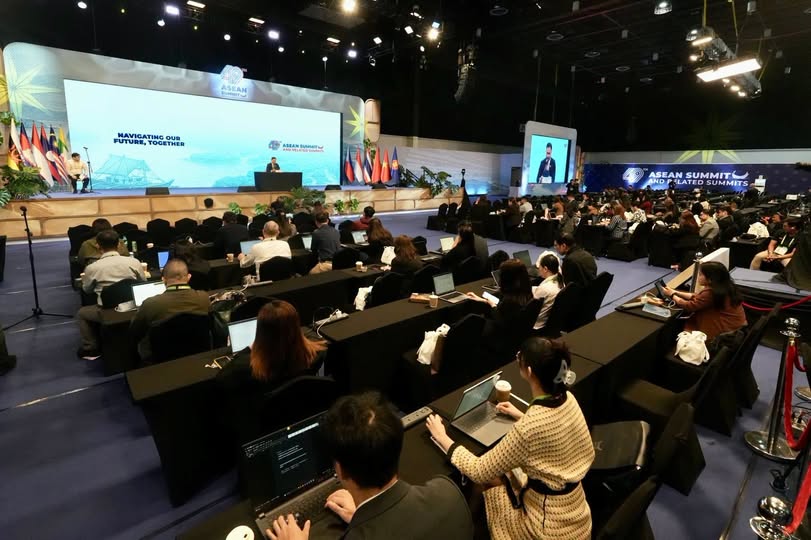
MANILA, Philippines – The Philippines is pushing for stronger regional cooperation on transboundary haze, energy security, food security and transnational crime as Southeast Asian leaders prepare to meet for the 49th ASEAN Summit and Related Summits in Pasay City.
The Department of Foreign Affairs (DFA) said Friday, November 13, that several agreements and policy measures are expected to be considered during the high-level meetings, which will run from November 15 to 17 at the Philippine International Convention Center.
Foreign ministers from the Association of Southeast Asian Nations (ASEAN) will first convene on November 14 to discuss regional priorities and prepare recommendations for adoption by their respective leaders.
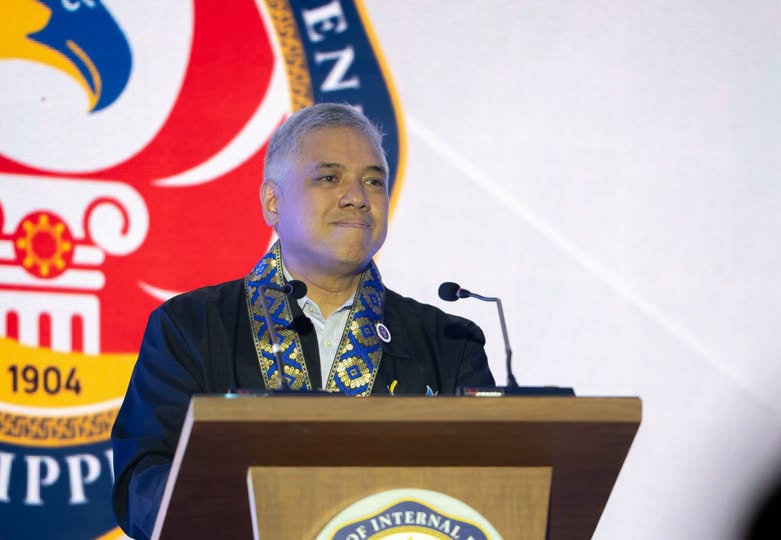
DFA Spokesperson for ASEAN Affairs Dominic Xavier “Dax” Imperial said one of the major concerns is transboundary haze, which has affected air quality across several Southeast Asian countries.
In September, widespread forest fires in Indonesia generated thick haze that reached neighboring countries, including the Philippines, prompting class suspensions in affected areas due to deteriorating air quality.
Imperial said ASEAN foreign ministers would examine possible measures to address the recurring problem before submitting their recommendations to regional leaders.
“I’m unable to preempt the discussions because the decision to identify the measures will, of course, lie really on the discussions of the foreign ministers and, eventually, the leaders. But there is awareness and also commitment among ASEAN to address this issue,” Imperial said during a press briefing at the International Media Center in Pasay City.
Aside from environmental concerns, ASEAN leaders are expected to discuss stronger regional responses to transnational crime, particularly online scams and other criminal activities affecting migrant workers.
Imperial said the discussions would focus on developing additional measures to strengthen protection for migrant workers and improve cooperation among member states in addressing cross-border criminal operations.
Energy security will also be a major agenda item, with ASEAN leaders expected to push for faster ratification of the ASEAN Framework Agreement on Petroleum Security (APSA).
The agreement seeks to establish a coordinated mechanism for emergency petroleum sharing among ASEAN countries during major supply disruptions.
Imperial said the Philippines was the first member state to ratify the agreement, demonstrating its commitment to strengthening regional energy cooperation.
“The Philippines was the first to ratify that as a sign of our commitment. I understand at the moment there are now four or five countries that have ratified, and we hope and the leaders themselves will encourage and call their colleagues to hasten the process of the ratification process,” he said.
Food security will likewise be included in discussions as ASEAN countries seek to strengthen cooperation in addressing supply challenges and improving regional resilience.
At least 19 world leaders are expected to attend the summit and related meetings, including United States President Donald Trump and Brazilian President Luiz Inácio Lula da Silva.
The Philippines is hosting the gathering as ASEAN Chair for 2026.
ASEAN comprises 11 member states: Brunei, Cambodia, Indonesia, Laos, Malaysia, Myanmar, the Philippines, Singapore, Thailand, Timor-Leste and Vietnam.