
By Joann Santiago-Villanueva
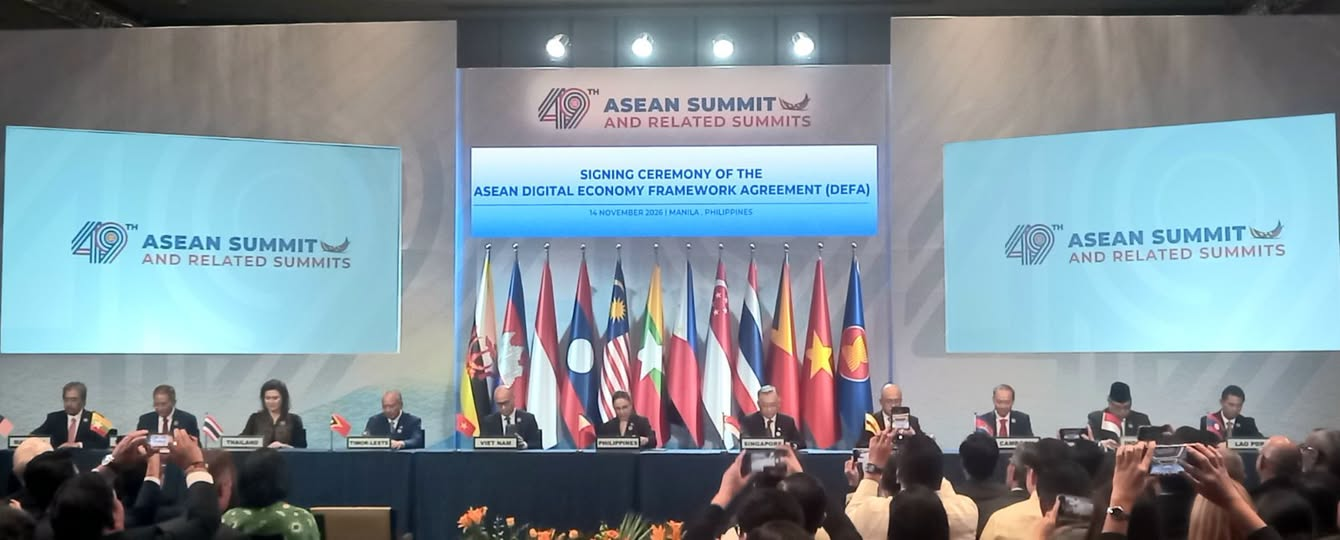
MANILA – A safe digital economy for the 11-member Association of Southeast Asian Nations (ASEAN) has been assured following the signing of the ASEAN Digital Economy Framework Agreement (DEFA) Saturday.
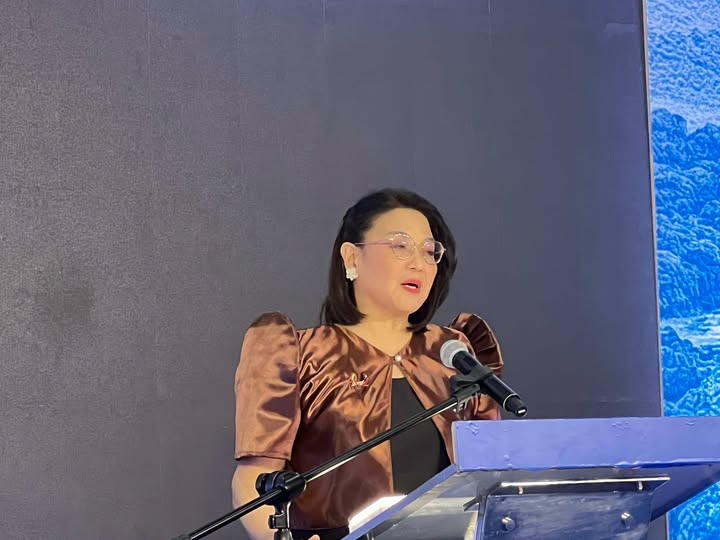
Trade and Industry Secretary Ma. Cristina Roque, in her speech during the signing ceremony at a hotel in Pasay City, said the agreement brings the regional bloc’s economies closer amid trading now done beyond physical borders.
“DEFA is a landmark achievement, not only for ASEAN but for the global digital economy. As the world’s first region-wide digital economy agreement of its kind, it places ASEAN at the forefront of efforts to build a more connected, trusted, and inclusive digital future,” she said.
DEFA is among the priorities under the Philippines’ chairship of the 49th ASEAN Summit and Related Summits this year.
Roque said an integrated digital economy for the region, which has around 680 million people, is a plus given the possibility of doubling its estimated USD1 trillion digital economy value to USD2 trillion by 2030.
“But DEFA is not simply about economic growth. It is establishing a rules system and cooperation that will allow our people and businesses to participate more freely in that world. At its core, DEFA provides a common framework for a more seamless, secure, and interconnected ASEAN digital marketplace,” she said.
The agreement covers cooperation on digital trade, cross-border electric commence, and data protection, among others.
Roque said the pact also covers “cybersecurity and online consumer protection to strengthen regional cooperation against cyber threats, online scams, and digital waste.”
She explained that “the promise of DEFA is deeper regional integration, greater opportunities for businesses, and more inclusive growth for our people.”
“Our real task now is to translate these commitments into practical outcomes. Governments must work together to put the necessary policies, infrastructure, and systems in place. We must also ensure that implementation responds to the needs of businesses, particularly our MSMEs, so that the opportunities of the digital economy are not limited to those with the greatest resources,” she added. (PNA)