
(DC file photo)
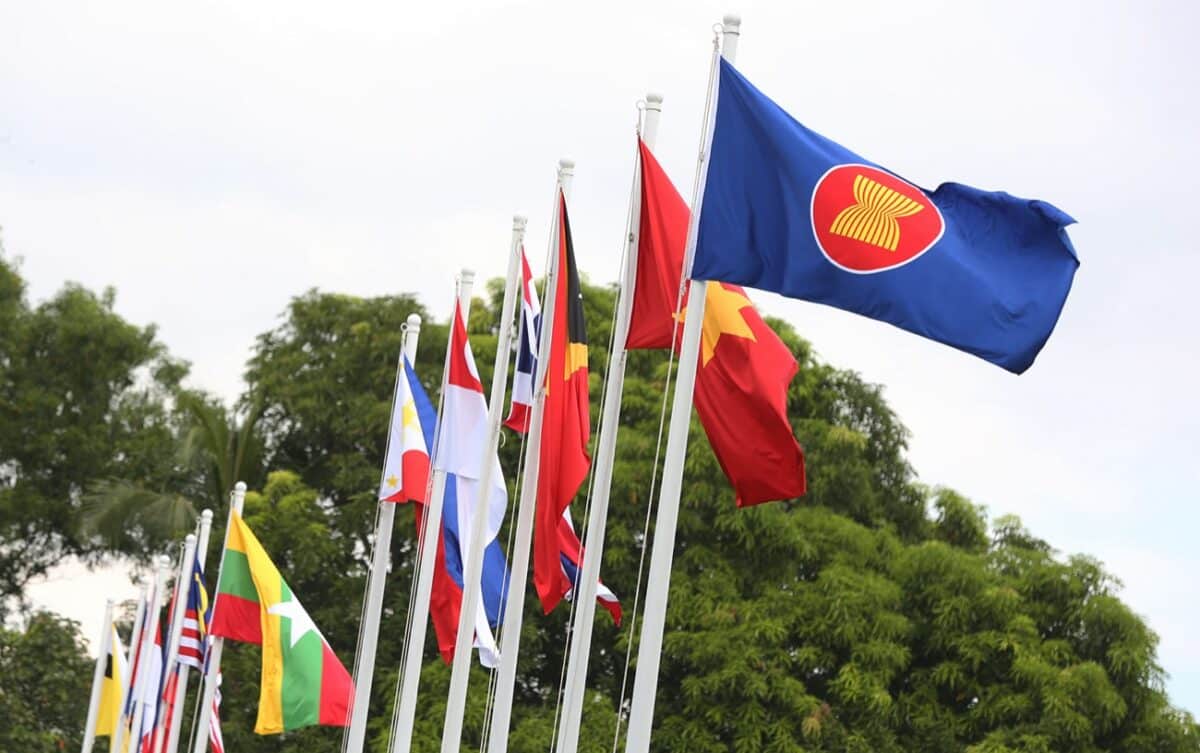
Negotiations for the Code of Conduct (COC) for the South China Sea (SCS) between the Association of Southeast Asian Nations (ASEAN) and China nears finalization as guidelines is now 70 percent complete, according to the Department of Foreign Affairs (DFA).
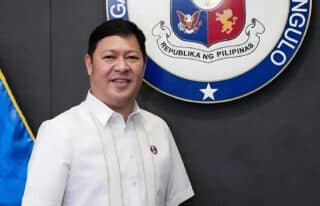
This was announced in a press briefing following the opening of the International Media Center in Pasay City for the 49th ASEAN Summit, where foreign affairs spokesperson for Asean matters Dominic Xavier Imperial disclosed that there was progress in the ongoing talks while emphasizing that negotiators remained focused on resolving the remaining 30 percent of the framework.
Imperial told the media that “at the moment, we’re seeing a 70 percent completion of the negotiations, so we are at that stage (. . .) and looking at the remaining 30 percent that will be up to our negotiators on how they will be able to complete that.”
He added that negotiators are still doing discussions regarding the CoC so he is unable to definitively say when it will be concluded or will it be finalized within the year or not.
“From the Philippine side, what we want to ensure is that the COC will guide the behavior of all parties in the South China Sea. And we are also pushing for the rights of third parties to be respected, even if they’re not part of the negotiation,” he noted.
Still, he affirmed that maritime security and cooperation will feature prominently during the upcoming ASEAN-China Summit, which also marks the fifth anniversary of the ASEAN-China Comprehensive Strategic Partnership.
“Updates from the negotiating teams are expected in the coming days as regional leaders convene in Manila for the ASEAN Summit with Chinese Premier Li Qiang expected to attend on behalf of President Xi Jinping,” he concluded the media briefing.
Prior to this, DFA secretary Maria Theresa ‘Tess’ Lazaro stated that negotiations for the long-awaited ASEAN-China COC may be completed by the end of the year.
Secretary Lazaro expressed optimism that the COC will address issues and concerns over sovereign infringements committed in the SCS and West Philippine Sea (WPS) as it aims to manage territorial disputes peacefully between contested territories in the region.