
For all the attention surrounding Alex Eala at the start of 2026, the most important change in her game has arrived without much noise. It is not a dramatic reinvention, nor a sudden spike in highlight-reel winners.
Instead, it is a subtle but meaningful shift in intent, most evident in the first shot she controls at the start of every point.
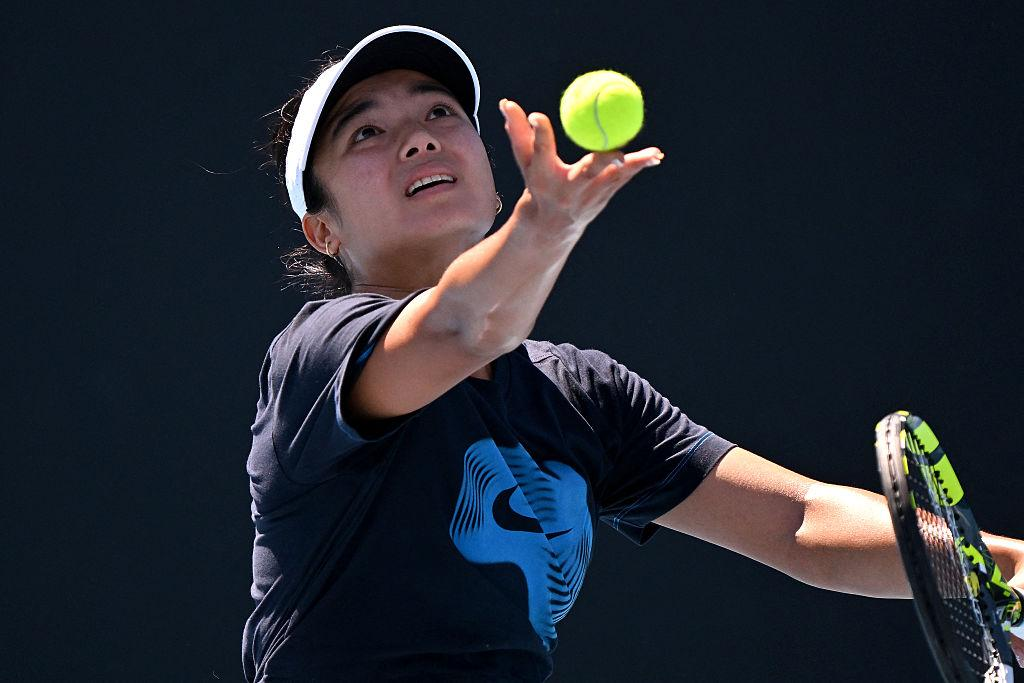
Eala has begun the season playing with a clearer purpose on serve, trading caution for conviction. The raw numbers still do not place her among the tour’s biggest servers, but the way she is using her serve has started to reshape the rhythm of her matches.
Where opponents once stepped in comfortably, sensing vulnerability, they are now being forced to react rather than dictate.

For much of her early professional career, Eala’s serve was the one area rivals targeted relentlessly. First serves often arrived at manageable speeds, giving returners time to set their feet and take immediate control of rallies.
Even when she fought back with her trademark grit from the baseline, too many service games turned into uphill battles. Matches were frequently competitive on return, only to tilt away when she struggled to hold.
What stands out in early 2026 is not a complete fix, but a recalibration. Eala is serving with greater intent, accepting a lower margin in exchange for more damage when the ball lands in.
That change is reflected in improved points won behind both her first and second serves, even in matches she did not win. The serve is no longer merely a point starter; it has become a tool to earn time, space, and the occasional free point.
This aggression has produced an interesting side effect. With opponents less certain about attacking immediately, rallies are beginning on more equal terms. That plays directly into Eala’s strengths.
Few young players read the game as well as she does, and her ability to redirect pace and absorb pressure has long been her calling card. When she is not instantly on the defensive, those skills surface more consistently.
The progress also hints at a broader mental shift. Eala appears increasingly comfortable living with short-term imperfections in pursuit of long-term growth. Double faults still appear. Service games can still wobble. But the willingness to swing freely suggests a player focused on building a ceiling, not just protecting a floor.
There remains considerable work ahead. To threaten the elite week after week, the serve must eventually deliver more outright points and reduce the physical toll of extended games. Yet the foundation is forming.
Throughout 2025, Eala often stayed close in matches despite the serve being a liability. In 2026, the same competitive spirit is now being supported, rather than undermined, by her opening shot.
The improvement may not dominate headlines, but its implications are significant. If Eala continues to pair her world-class returning instincts with a serve that no longer invites constant attack, the balance of her matches will shift.
And when that happens regularly, the conversation around her will move from promise to results, from potential to presence, on the sport’s biggest stages.