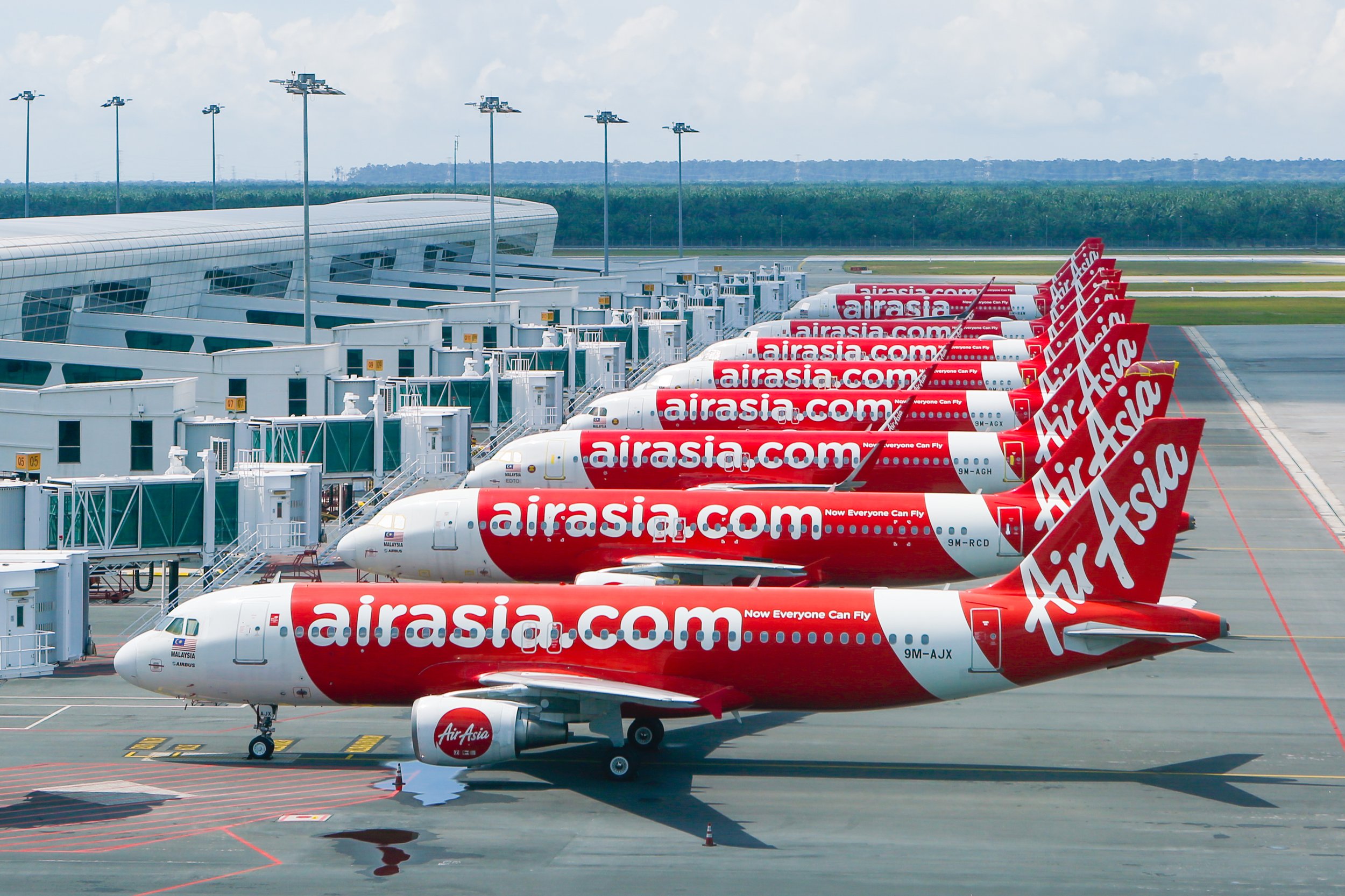

Capital A, the parent company of AirAsia, is set to invest half a billion dollars in transforming the country into a key player in the global aviation maintenance scene, marking a bold move that signals deeper roots in the Philippines. The planned $500 million investment is centered on building a major aircraft maintenance, repair, and overhaul (MRO) facility that could reshape the Philippines’ role in Asia’s aviation industry.
Capital A CEO Tony Fernandes confirmed on Wednesday that the firm aims to kick off construction of the state-of-the-art hangar by the end of the year. The project, which will be undertaken by its engineering subsidiary, Asia Digital Engineering, is expected to generate between 2,000 and 3,500 local jobs and give the Philippines a chance to become a North Asian aviation maintenance hub.
“We see massive potential here,” Fernandes said in a media roundtable. “The Philippines is not just a market for us; it’s a strategic launchpad to serve aircraft from Japan, Korea, and China.”
The company has yet to finalize the location of the facility but is currently in active talks with operators in multiple sites, including Clark, Cebu, NAIA, and the upcoming Bulacan international airport. Fernandes made it clear that incentives and long-term viability will play key roles in the final decision.
The next aviation academy?
Beyond the hangar itself, Capital A is laying groundwork for a broader ecosystem, including a technical academy that will train local aviation engineers and specialists. Fernandes expressed confidence in the Philippine workforce, hinting at the country’s potential to become a regional talent hub.
“We want to develop Filipino talent from the ground up. This won’t just be a hangar—it’s going to be a center of excellence,” he said.
Expanding the AirAsia ecosystem
While the MRO investment grabbed headlines, Fernandes also revealed that Capital A is doubling down on two of its rising ventures: Teleport, its cargo logistics arm, and AirAsia MOVE, its integrated travel and booking platform.
“Teleport is scaling fast, and the Philippines is central to that growth. With e-commerce booming in Southeast Asia, our logistics network needs to be just as agile and connected,” he added.
New spin: A long game of soft power
Observers say this isn’t just about aircraft maintenance—it’s Capital A’s long game to increase its footprint and influence in the region. By bringing high-skill jobs, building infrastructure, and developing local expertise, the company is effectively embedding itself into the country’s economic fabric.
Some analysts suggest the move could trigger a ripple effect among global aviation players, potentially attracting more foreign direct investments in the aviation tech and maintenance space in the Philippines.
Strategic timing
The timing of this expansion is notable. With regional air travel surging post-pandemic and the Philippines aggressively courting infrastructure investments, Capital A’s move appears to align well with both market demand and government priorities.
Though exact dates are still fluid, Fernandes hinted that the hangar could be operational as early as late 2026 if construction begins on schedule this year.
“We’re not just landing planes here. We’re planting roots,” Fernandes said, smiling.