
AI is rapidly reshaping software development, but leaders say its rise must be balanced with rigorous human judgment. Canva, the all-in-one visual communication platform, today released findings from a survey of 300 technology decision-makers across North America, Europe, and Asia-Pacific, underscoring both the enthusiasm for AI-assisted coding and the safeguards needed to ensure responsible use.
Key highlights:
- 92% of organizations now use AI-assisted coding tools
- 78% of developers rely on them daily
- 93% confirm AI-generated code undergoes peer review before merging
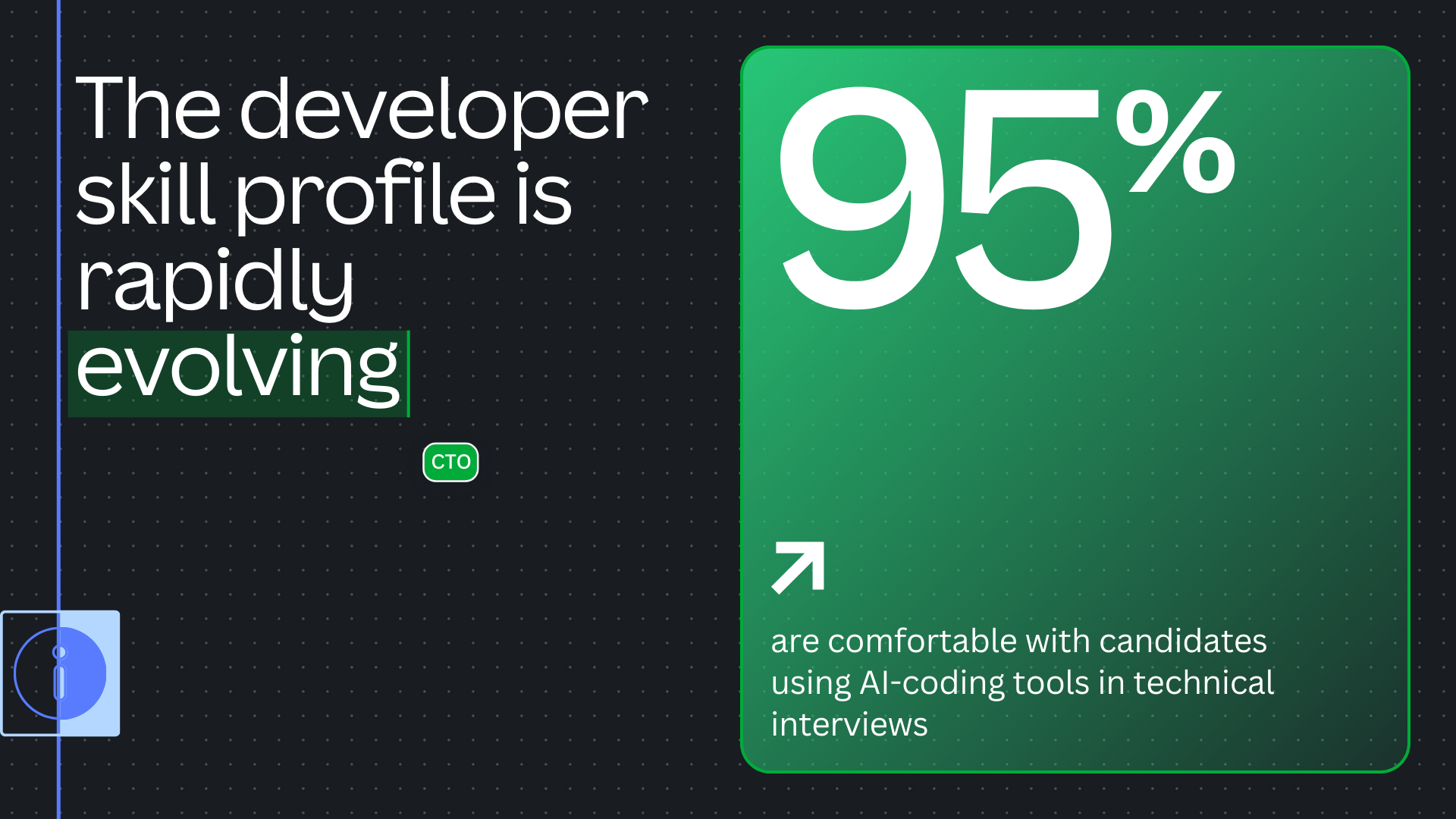
- 95% are comfortable with candidates using AI tools during technical interviews
- 30% cite over-reliance on AI as their top concern

Adoption is nearly universal. With 92% of companies already using AI-assisted coding tools, momentum shows no signs of slowing. Two-thirds (66%) expect adoption to grow significantly over the next year, with 64% pointing to productivity gains as the primary driver. Developers particularly value AI for rapid prototyping, accelerating iteration, and generating first drafts.
Guardrails remain critical. While AI is enabling faster innovation and lower development costs, 95% of leaders highlight risks if code is deployed without proper review, especially regarding maintainability, security, and quality. Nearly all respondents (93%) said AI-generated code is peer-reviewed, reflecting the industry’s commitment to keeping humans firmly in the loop. Governance is strong as well: more than half (58%) place responsibility for oversight at the CTO or CIO level.
Developer skills are evolving. Almost all respondents (94%) believe AI is reshaping the developer skill set, with 95% supportive of candidates using AI tools during interviews. Yet concerns linger: 30% worry about over-reliance without accountability, while 21% fear junior engineers may miss out on crucial learning opportunities. Training and mentorship are seen as essential to ensure developers wield AI responsibly.
“AI in engineering is a real disruptive change that can’t be ignored,” said Brendan Humphreys, CTO at Canva. “When paired with human judgment and expertise, it unlocks significant benefits — from rapid prototyping to faster development cycles and greater productivity. The engineers who will thrive in this new era are those who use AI to extend their thinking, not replace it.”
Ultimately, Canva’s findings reinforce that AI is a tool for amplification, not substitution. Its true power lies in partnership with human creativity, critical thinking, and accountability — enabling organizations to innovate quickly while building responsibly.