
SORSOGON, Philippines — Before dawn broke over Sorsogon on Monday, the ground shuddered and the sky turned ashen gray. Bulusan Volcano, long silent but never forgotten, roared to life in a steam-driven eruption that scattered ash, fear, and urgent warnings across nearby towns.
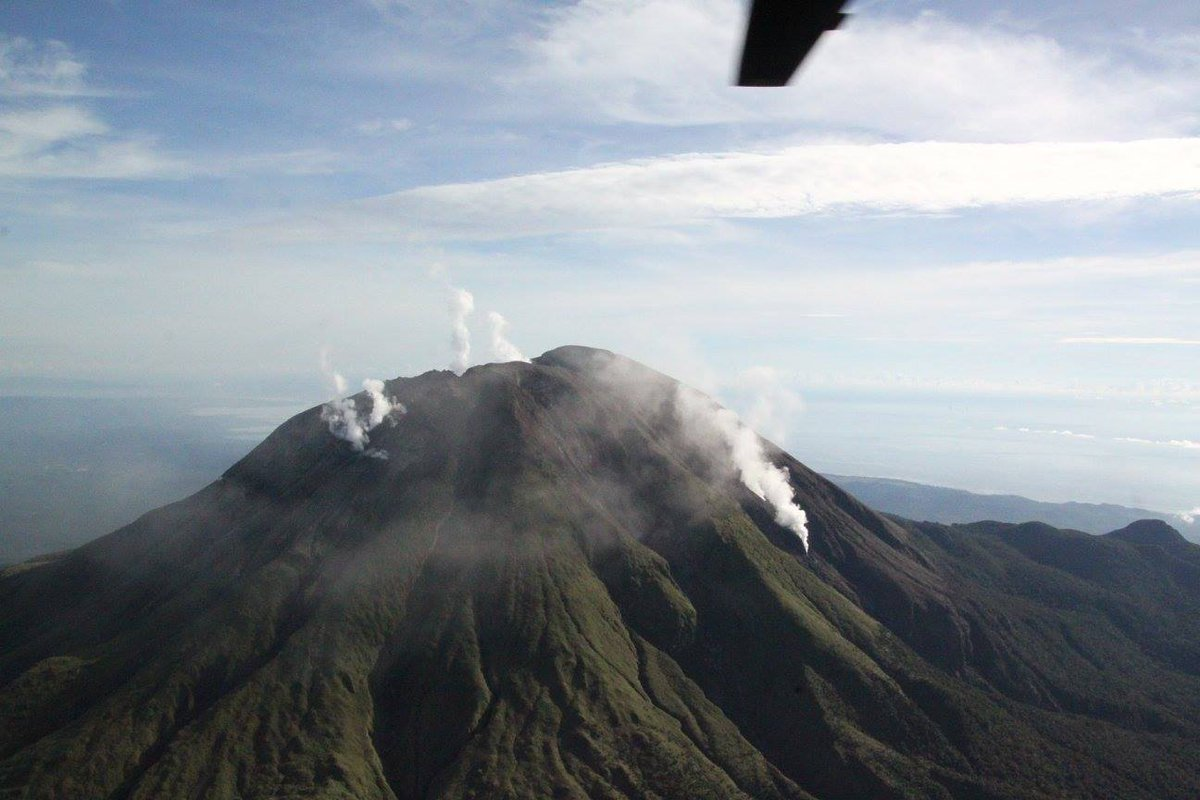
At exactly 4:36 a.m., a deafening rumble echoed from the volcano’s summit, and within minutes, a giant plume of ash and steam towered nearly 4.5 kilometers into the air. For nearly 30 minutes, nature unleashed its fury — not with rivers of lava, but with a violent burst of superheated steam and shattered rock.
The Philippine Institute of Volcanology and Seismology (PHIVOLCS) quickly confirmed the event as a phreatic eruption — a dangerous but often misunderstood volcanic explosion that, while not involving fresh magma, can still wreak havoc without warning.
“This was a steam-driven event,” said PHIVOLCS Director Teresito Bacolcol. “When water contacts very hot volcanic rocks or gases, it flashes to steam violently. It’s sudden. It’s powerful. And it can happen again.”
A sudden awakening
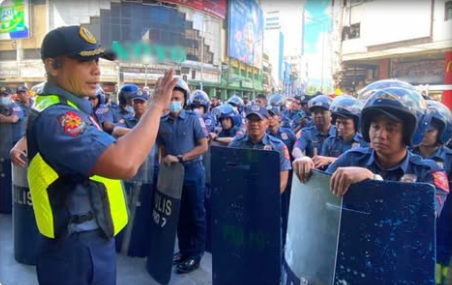
In Irosin and Juban, communities already familiar with the volcano’s moods sprang into action. Ashfall rained over Barangays Cogon, Bolos, Puting Sapa, Guruyan, Buraburan, and Tulatula Sur, coating roads, rooftops, and rice fields in a thin gray layer. Emergency alerts crackled over radios. Local officials distributed masks and advised residents to stay indoors.
Bacolcol issued a stern reminder: Bulusan remains dangerous even when it isn’t spewing lava. The volcano’s Alert Level was raised from 0 to 1, signaling “low-level unrest” — a phase where phreatic eruptions may continue unpredictably.
Meanwhile, PHIVOLCS urged residents to respect the four-kilometer Permanent Danger Zone and stay cautious within the two-kilometer Extended Danger Zone on the volcano’s southeast flank.
“People should avoid valleys and river channels, especially during heavy rains,” Bacolcol added. “Lahars could flow without warning.”
Living Under the Volcano’s shadow
Bulusan’s sudden awakening is a stark reminder that for many Filipinos, life near a volcano is a delicate balance between resilience and risk. Sorsogon’s farmers, fishermen, and townsfolk live with the knowledge that the earth beneath their feet can shift without notice.
Many recall Bulusan’s past activity — minor ash eruptions in 2016, sporadic unrest years before that — but the uncertainty never truly fades.
“You can never predict it exactly,” said a local elder in Juban, sweeping ash from his doorstep. “You just prepare. You listen. You respect the mountain.”
PHIVOLCS reported 53 volcanic earthquakes beneath Bulusan in the 24 hours leading up to the eruption — a quiet drumbeat of energy that culminated in Monday’s blast. Infrasound sensors also captured the eerie rumbles minutes before the explosion, a faint warning for those listening carefully.
What lies ahead?
Experts warn that Monday’s eruption may not be the last. Steam-driven events could continue in the coming days or weeks, each carrying the potential for localized hazards like ashfall, rock fragments, and pyroclastic flows.
For now, the air over Sorsogon hangs heavy — not just with ash, but with a sense of cautious vigilance.
The earth spoke. The people listened. And for communities living in the volcano’s shadow, preparedness remains their strongest shield.