
By Teofilo Garcia Jr.
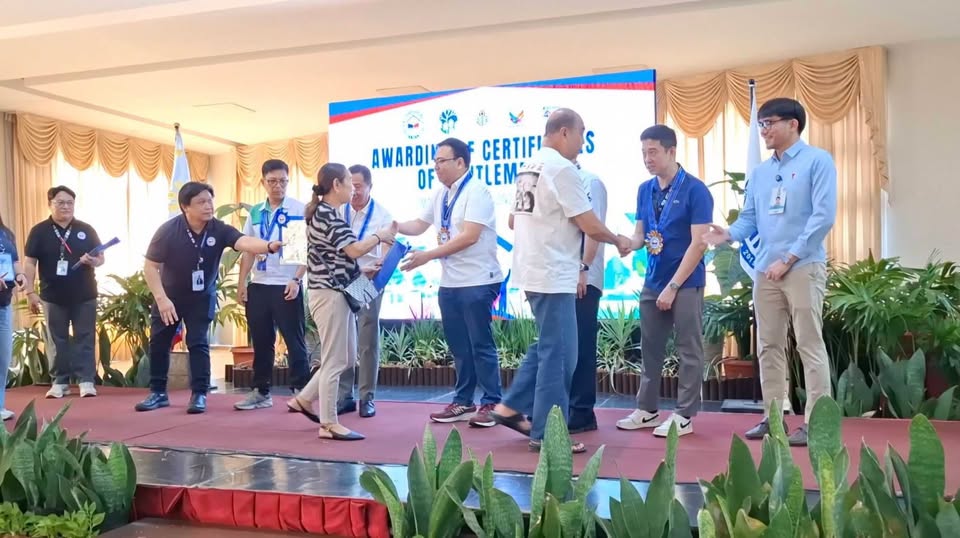
ZAMBOANGA CITY – Two feuding clans from the towns of Panglima Estino and Talipao in Sulu province signed a peace covenant Thursday, ending their longstanding conflict.
The Sulu provincial government said in a statement that 14 clan members and leaders from Barangay Gata-Gata in Panglima Estino and Barangay Kulamboh in Talipao signed the agreement, pledging to forgive past grievances and pursue peace, reconciliation, unity and harmony.
The signatories from Barangay Gata-Gata, Panglima Estino were Jun Aldam, Rizal Amman, Alih Aldam, Benmajar Aldam, Akdam Samuddin, Muner Arabah, Juben Penhar and Pinhar Enggal.
On the other hand, the signatories from Kulamboh, Talipao were Uddin Pala, Hannibal Uddin, Aldimar Uddin, Almujar Estino Jana, Albasher Estino and Muharibil Abdulhasan.
In their joint declaration, the two parties acknowledged their prolonged conflict had caused misunderstandings and that continued fighting would yield no productive results.
“They agreed to accept one another as brothers, set aside their differences, and uphold the covenant, invoking Almighty Allah as witness to their commitment,” the provincial government said.
Sulu Gov. Abdusakur Tan II, who helped broker the settlement, thanked both families for agreeing to reconcile and urged them to protect their shared homeland, locally known as Lupah Sug, and work together for the welfare of their communities.
“Let us all unite, help one another, and show love,” the provincial government quoted Tan as telling the two contending parties, urging the families to set aside grudges and recognize their ties as relatives.
Sulu Vice Gov. Abdusakur Tan also called on the former rival groups to preserve the peace and guide their children toward education, which he described as one of the most important legacies they could leave the next generation.
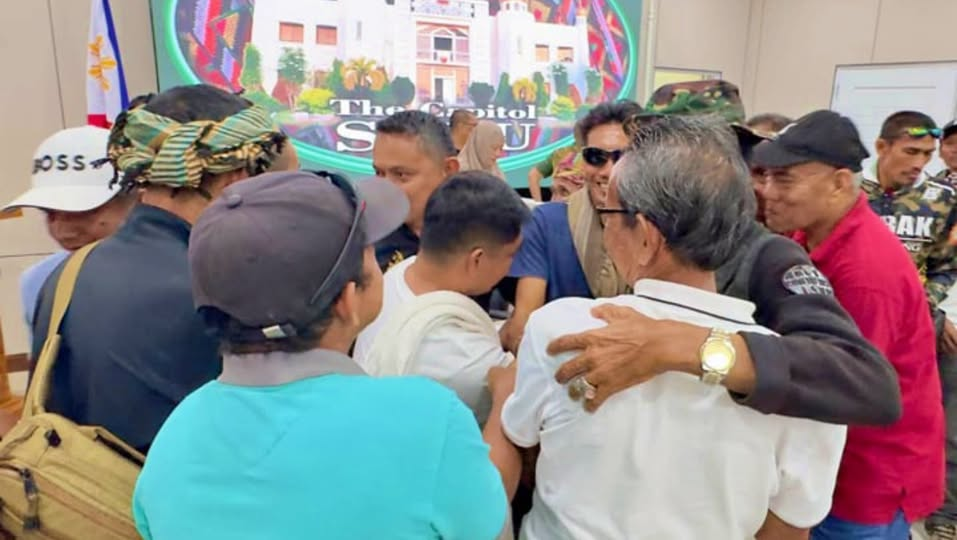
The ceremony ended with handshakes and exchanges of forgiveness between the former opposing groups, witnessed by the governor, vice governor, members of the Sangguniang Panlalawigan, local officials and community elders. (PNA)