
For a generation raised amid data breaches, algorithmic surveillance, and relentless online tracking, Gen Z has made privacy a personal mission. VPNs, encrypted messaging apps, and anonymous browsers are no longer niche tools for tech elites; they are everyday digital armor for young users who want control over their online identities. Yet that same instinct to protect themselves is quietly being weaponized against them.
Between October 2024 and September 2025, cybersecurity firm Kaspersky recorded more than 15 million attempted cyberattacks disguised as VPN applications. These were not fringe threats buried in obscure corners of the internet. Many appeared as free downloads, cracked versions of premium services, or convincing lookalikes of legitimate privacy tools. Instead of offering protection, they delivered malware capable of stealing data, hijacking devices, and opening the door to long-term digital surveillance.
Research shows Gen Z adopts privacy-enhancing technologies at roughly twice the rate of older age groups. Growing up in a hyper-connected environment has made them acutely aware of how easily personal information can be harvested, monetized, or leaked. Public Wi-Fi, social platforms, and always-on mobile lifestyles have pushed VPNs into the mainstream, positioning them as essential shields rather than optional add-ons.
But convenience often overrides caution. In the search for free or unrestricted access, many young users turn to unofficial sources, modified apps, or pirated versions of popular VPNs. That decision can undo every layer of protection they intended to build. During the observed period, Kaspersky found that the most common threats delivered through fake VPNs were adware, trojans, and downloader-type malware.

Adware accounted for more than 284,000 detections, flooding devices with intrusive ads and aggressive tracking. Trojans followed closely, with over 234,000 cases, posing far more serious risks by enabling data theft and remote control of infected systems. Downloader malware, detected nearly 198,000 times, served as a gateway for even more dangerous payloads to be silently installed later.
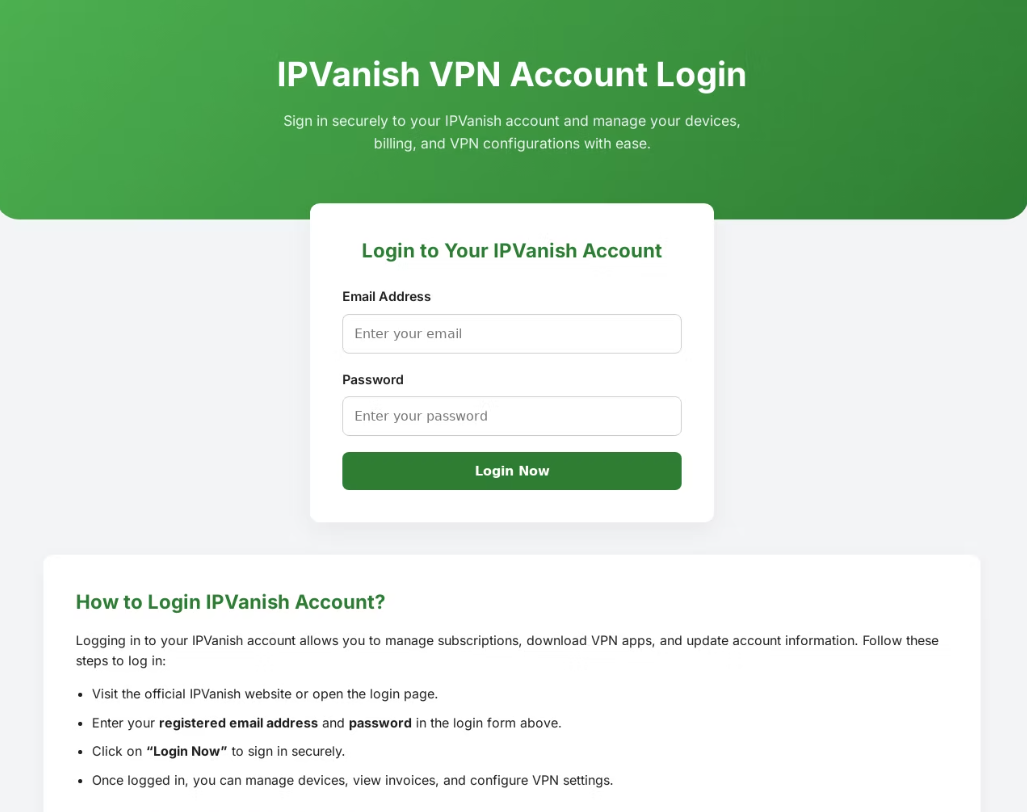
Beyond malicious apps, researchers also uncovered a network of phishing pages designed to imitate the login portals of well-known VPN providers. These sites lure users into entering their credentials, often harvesting passwords that are reused across multiple platforms. The striking similarity among these pages suggests the use of phishing kits, allowing cybercriminals to mass-produce fraudulent sites quickly and efficiently, scaling their attacks with minimal effort.
Security experts warn that this pattern reflects a deeper paradox in Gen Z’s digital behavior. While highly privacy-aware, they are also pragmatic and speed-driven, making them vulnerable to shortcuts that attackers are eager to exploit. Evgeny Kuskov, a security expert at Kaspersky, notes that cybercriminals deliberately capitalize on this mindset by pushing pirated “premium” VPNs and apps that closely mimic trusted brands. The result is a scenario where users believe they are strengthening their privacy while unknowingly handing over access to their devices and personal data.
To counter this growing risk, Kaspersky has introduced an interactive learning experience called Case 404, a game designed to resonate with younger audiences. It places players in scenarios where seemingly harmless downloads and offers conceal serious cyber threats, teaching them to recognize the warning signs of malware, scams, and data leaks through hands-on decision-making rather than lectures.
Completing the game also unlocks a discount on Kaspersky Premium, giving participants access to tools that combine real-time malware protection with built-in VPN functionality. The goal is not just awareness, but habit-building: steering users toward safer choices in an online environment where trust is increasingly hard to verify.
Cybersecurity specialists emphasize that protecting privacy today requires more than installing a VPN. It demands discernment. VPN apps should only be downloaded from official app stores or directly from trusted developers, where security checks significantly reduce the risk of tampered software. Cracked or modified apps, no matter how attractive their promises, remain one of the most common delivery channels for spyware, keyloggers, and hidden backdoors. Users are also urged to scrutinize app permissions, as requests for access to contacts, microphones, or precise location data are red flags for any service claiming to prioritize privacy.
Independent evaluations can also serve as a safeguard. In AV-Test’s 2025 assessment, Kaspersky VPN Secure Connection received a top score of 94 out of 100, underscoring the value of choosing services that are both transparent and independently verified.
For Gen Z, the lesson is not to abandon privacy tools, but to recognize that in today’s threat landscape, the appearance of security can be as dangerous as its absence. In a digital world crowded with fakes and shortcuts, real privacy is no longer just about hiding data. It is about knowing who, and what, you trust.